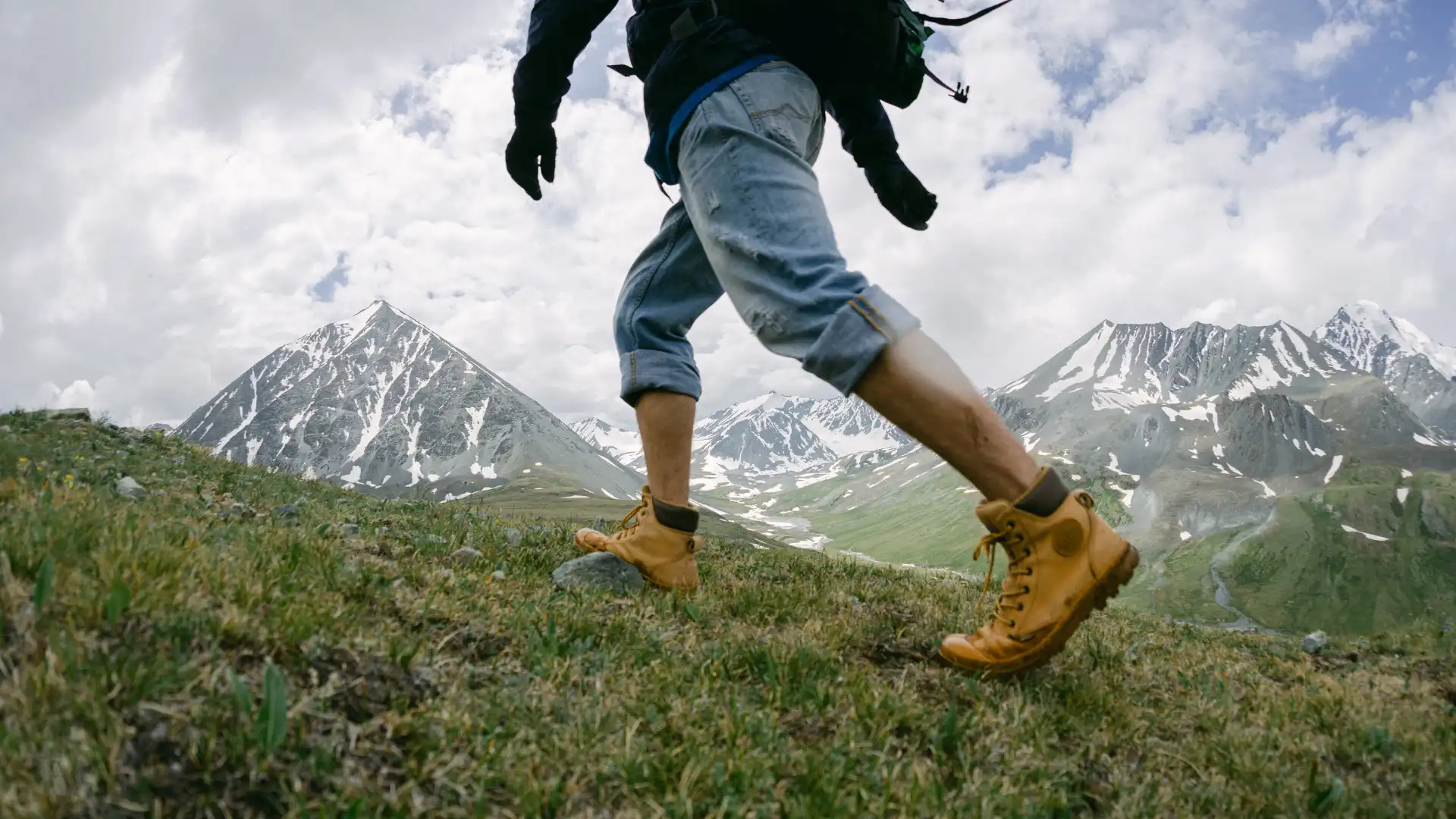

If your booties rub your ankles, your ballet-flat liners won’t stay put, or your tall boots feel clammy by noon, the problem isn’t your shoes but your socks. The right pair can prevent blisters, keep feet warm without bulk, curb odor, and even make outfits look more intentional. The wrong pair does the opposite: slipping liners, visible seams, cold toes, and sagging cuffs that bunch in your boots. This guide shows you exactly how to choose the best socks for ankle booties, ballet flats, and boots so you can step out confident and comfortable, season after season.
Before we dive in by shoe type, here’s a simple framework you can use every time you shop or get dressed.
The S.O.C.K.S. framework: five checkpoints for any shoe
- Shoe shape and shaft height: Sock height should work with the shoe’s cut, not against it.
- Occasion and outfit: Match the sock’s vibe and visibility to the office, travel, or weekend wear.
- Climate and sweat: Pick fibers that regulate temperature and manage moisture for your day.
- Knit thickness and cushioning: Fine-gauge for sleek fits; targeted cushion for long wear.
- Stay-up technology: Heel grips, welt design, and spandex content prevent sag and slip.
Keep these in mind and you’ll avoid 90% of common sock frustrations. If your drawer is full of “almost right” pairs, consider testing one upgrade in each category you wear most.
Best socks for ankle booties
Ankle booties including Chelsea and low shaft styles live at the tricky intersection of comfort and visibility. You want coverage where the boot opens, but not so much bulk that your heel lifts or the fit tightens.
Aim for crew socks that land just above the boot shaft or no more than an inch below it. This avoids the uncomfortable “pinch zone” where the boot edge hits skin. A soft, ribbed cuff with a touch of spandex holds without digging. If your booties are snug, choose fine-gauge crews; if they’re roomy or lug-soled, light-to-medium cushion feels great and helps fill space.
Fabric matters more than most people realize. A merino-wool blend is the year-round winner: it wicks, breathes, and resists odor while staying comfortable across temperature swings. For people who run warm, a technical nylon blend pulls moisture away fast and dries quickly. If you crave softness, combed cotton or modal-blend crews are plush, but plan to rotate more often on sweaty days, since cotton holds moisture.
Styling your socks with booties is a choice, not an accident. If you want an invisible look with cropped denim, choose tonal crew socks that match either your boot color or your pants. For an intentional accent, lean into contrast: a space-dye rib, a subtle stripe, or a textured pointelle peeking ½ inch above the shaft adds interest without shouting. With dresses and skirts, matte tights layered under thin crews keep ankles warm and look polished.
Common missteps to avoid include cuffs that are too tight (they’ll leave marks and trap heat), cushion that’s too thick (causes heel slip and toe crowding), and slouch-prone socks (they’ll creep into the boot and bunch at your arch). If your booties gape at the ankle, a slightly thicker rib-knit crew can stabilize the fit. Consider trying a two-pair capsule, one fine-gauge merino crew and one light-cushion rib, to cover workdays and weekends with ease.
Best socks for ballet flats
Ballet flats are unforgiving on fit and friction. The sweet spot is a liner that’s truly no-show, actually stays on, and reduces hotspots at the heel and forefoot.
Shape is everything. Think in “vamp heights,” not generic “no-show” labels:
- Shallow-cut liners work for deep U-cut ballerinas with low vamps; they disappear but can pop off if the heel design is weak.
- Mid-cut liners suit most everyday flats and skimmers; they’re slightly higher at the sides for stability yet still invisible.
- High-cut or loafer-cut liners cover more of the foot for security and are ideal if your flats have a higher vamp or if you’re between sizes and need a touch of fill.
What keeps a no-show sock from slipping is a combination of engineering details, not one magic strip. Look for a cupped heel with a Y-stitch or contoured darts, plus multi-point silicone grips at the heel and at the forefoot. A 360-degree silicone band can work, but if you have sensitive skin it may leave marks; a few low-profile grip zones are usually more comfortable. A flat-linked toe seam prevents rubbing on long days.
Choose fabric based on climate and odor control. Merino-blend liners sound counterintuitive for warm months, but the fiber’s natural thermoregulation makes them cooler and drier than cotton when you’re moving. Technical nylon with ventilated mesh panels is excellent for sweaty commutes or travel. Cotton/modal liners feel soft and “barefoot-like,” though they need frequent washes and may stretch out without a nylon core.
On days when even the best liners show, try alternatives: minimalist toe covers for open-sided flats, ultra-sheer micro-socks that mimic hosiery, or thin half socks that shield only the forefoot under tight-fitting styles. If you must go sockless, prep skin with an anti-friction balm and add a removable insole for shock absorption.
A practical tip many readers love: test liners with the exact flats you plan to wear, at the end of the day when your feet are slightly swollen. Walk up and down stairs for two minutes. If they don’t slip then, they won’t slip later. You might explore a small multi-height liner pack to find your perfect vamp match before committing to duplicates.
Best socks for tall boots and knee-high boots
Tall boots need coverage that stays smooth, manages moisture, and prevents rub at the top of the shaft. The easiest win is a knee-high or over-the-calf sock with a wide double welt and 2–6% elastane for stay-up power. If your calves are athletic or you prefer a gentler squeeze, look for a comfort-top welt or light graduated compression that supports circulation without digging.
Match cushion to activity. For desk days or sleek riders, choose ultralight or light cushion with a fine gauge that won’t add bulk. For longer walks or travel, targeted cushioning under the heel and ball of the foot reduces fatigue. If your boots fit a touch loose, a rib-knit knee-high fills space, stabilizes the ankle, and quiets that hollow “boot echo.”
Layering with tights is the unsung hero of winter comfort. A simple formula: sheer or opaque tights first, then thin knee-high socks over them inside your boots. The sock reduces friction so tights last longer, adds insulation, and absorbs sweat so you stay warm and dry. In extreme cold, consider fleece-lined tights paired with a light merino knee-high, or use a silk liner sock under a midweight wool knee-high for luxurious warmth without bulk.
If your boots slip at the heel, try a thinner sock. Heel slip often comes from too much padding pushing the foot forward, not too little. If the shaft rubs just below the knee, swap to a sock with a cushioned top welt or a slightly shorter over-the-calf cut that lands below the pressure point. Many readers choose two knee-high options, one ultralight and one light-cushion, to cover all scenarios.
Fabric science: what your socks should be made of
- Merino wool blends: The gold standard for most feet and seasons. Fine merino fibers regulate temperature, resist odor naturally, and manage moisture without feeling wet. Look for blends with nylon for durability and elastane for stretch. Modern merino isn’t itchy and washes well on gentle cycles.
- Technical synthetics (nylon/polyester blends): Excellent for quick-dry performance, stain resistance, and durability. Choose versions with ventilated zones and anti-odor treatments if you run sweaty or live in humid climates.
- Cotton and modal: Soft and familiar, great for light wear and low-sweat days. Because cotton retains moisture, prioritize blends wrapped around a nylon core with some elastane to reduce sag and improve recovery.
- Bamboo/viscose: Silky and breathable with a cool hand feel. Structure is the key. Make sure the sock contains enough nylon and elastane so it keeps its shape and doesn’t bag out.
- Silk liners: Ultra-thin and slippery in the best way. Use them under another sock to reduce friction hot spots or to add a whisper of warmth.
- Cashmere blends: Luxe, warm, and cozy. Save for lounging or low-abrasion days; expect more delicate care and some pilling.
No matter the fiber, construction details signal quality: flat-linked toes, reinforced heels and toes, an arch band for midfoot support, and knit mapping that puts cushion only where you need it so your shoes still fit.
Sock Fit and Sizing Tips
Sock size does more than dictate comfort; it affects how long socks stay put. A liner that’s too big will creep; a crew that’s too small will slide down as it stretches. If you’re between sizes, size down for liners and up for crews and knee-highs. High instep or wide forefoot? Look for knit patterns with a bit more horizontal give across the midfoot. If your calves are fuller, search for “comfort top” or “wide calf” knee-highs rather than assuming one-size will work. And always try socks with the shoes they’re intended for; fit can change dramatically by pair.
Care and longevity: make good socks last
Treat socks like performance garments and they’ll return the favor. Wash inside-out on cold, skip fabric softener, and air dry or tumble low. Use a mesh bag so pairs don’t twist and stretch in the machine. Rotate your favorites; fibers need time to “recover” between wears. To combat stubborn odor, an occasional white-vinegar rinse or a baking-soda soak works wonders. Stash cedar blocks or sachets in your drawer to discourage mustiness and keep moths away from wool.
Styling notes: make socks part of the outfit
With ankle booties, decide whether the sock is a feature or a ghost. Feature: a ribbed cream crew above a brown boot, or a charcoal melange with black denim. Ghost: match sock to boot for a clean line. With ballet flats, invisibility usually wins, unless you’re leaning into a city-chic, hosiery-inspired look with ultra-sheer micro-socks. For tall boots, a slim knee-high keeps silhouettes sleek; if you prefer a textured edge peeking out under a skirt, choose a flat knit or mini cable in a tonal shade for polish over novelty.
Common Sock Problems and Quick Fixes
- No-show liners that slip: Clean heel with a swipe of alcohol, choose a contoured heel cup with multi-point silicone, and consider sizing down. Pre-wash once to “set” the elastane.
- Blisters at the heel or toes: Flat-linked toe seams, merino or silk liners under a second sock, and a light dusting of foot powder stop hot spots before they start.
- Odor after a long day: Merino or treated synthetics help; change midday if needed. Rotate pairs and avoid fabric softener, which traps smells.
- Cold ankles with booties: Switch to crew height, add thin tights under socks, or layer a silk liner under a light merino crew for stealth warmth.
- Socks that leave marks: Seek comfort-top welts, lower compression, or a larger size; avoid narrow cuffs with heavy elastic.
If you’ve tried “all the socks” and still struggle, consider a shoe fit check. Many issues come from shoes that are a touch too loose in the heel or too tight across the forefoot.
Build a Small Sock Capsule
You don’t need a drawer full of maybes. Most people thrive with a focused set:
- For ankle booties: one fine-gauge merino crew in a boot-matching color, one light-cushion rib crew in a contrast or melange.
- For ballet flats: a three-pack of no-shows in shallow, mid, and high vamp cuts to test; then duplicate your winner in skin tone and in black.
- For tall boots: one ultralight knee-high for sleek fits, one light-cushion knee-high for longer days, plus optional silk liners for deep winter.
Consider trying these in neutral tones first. Once you love the performance, add a few textures or subtle patterns to express your style.
Conclusion: what to remember before you buy
Choose socks based on shoe shape and shaft height, not just habit. Prioritize fibers that match your climate, such as merino for all-season control, technical blends for sweat management, and cotton or modal for softness. Also pay attention to construction details that help prevent slipping and rubbing. For ankle booties, go crew height with fine or light cushioning depending on fit; for ballet flats, pick liners by vamp depth with multi-point heel grips; for tall boots, rely on knee-highs with a generous welt and the right cushion for your day. Care for them well and they’ll keep you warm, dry, and blister-free without adding bulk or spoiling your outfit.
Ready to step smarter? Start by upgrading one pair you wear most often: crew socks for your favorite booties, liners that actually stay hidden in your flats, or knee-highs that keep tall boots comfortable from breakfast to last call. Many readers find that one thoughtful swap changes how every shoe in their closet feels. Your feet and your outfits will thank you.
FAQ: Choosing the Best Socks for Boots and Flats
What socks should you wear with ankle boots?
Crew socks are usually the best choice for ankle boots. A crew sock that sits just above the boot shaft helps prevent rubbing at the opening and keeps your feet comfortable. Fine-gauge socks work well for snug booties, while light-cushion socks can add comfort if the boots have a roomier fit.
Do you wear socks with ballet flats?
Yes, most people wear no-show socks or liners with ballet flats. These socks help prevent blisters, absorb sweat, and control odor while staying hidden inside the shoe. Look for liners with a contoured heel and silicone grips so they stay in place throughout the day.
What are the best socks for tall boots?
Knee-high socks or over-the-calf socks are ideal for tall boots. They protect your legs from rubbing against the boot shaft, stay up during the day, and help manage moisture so your feet remain comfortable in different temperatures.
Are merino wool socks good for everyday wear?
Yes. Merino wool socks regulate temperature, wick moisture, and naturally resist odor. Because of these properties, merino wool blends are comfortable in both warm and cool weather and are often considered one of the most versatile sock materials.
What materials are best for socks if your feet sweat?
Technical synthetic blends such as nylon or polyester are often a good choice for sweaty feet because they pull moisture away from the skin and dry quickly. Merino wool blends can also help regulate temperature and keep feet feeling dry throughout the day.
How do you stop no-show socks from slipping?
Look for liners with a contoured heel shape, silicone grip zones, and a secure heel cup. These construction details help the sock stay in place and reduce slipping while walking, which is especially important when wearing ballet flats.
What sock height works best with boots?
Sock height should match the shoe’s shaft height. For ankle boots, crew socks that sit just above the boot opening work well. For tall boots, knee-high or over-the-calf socks provide better coverage and protection from rubbing.