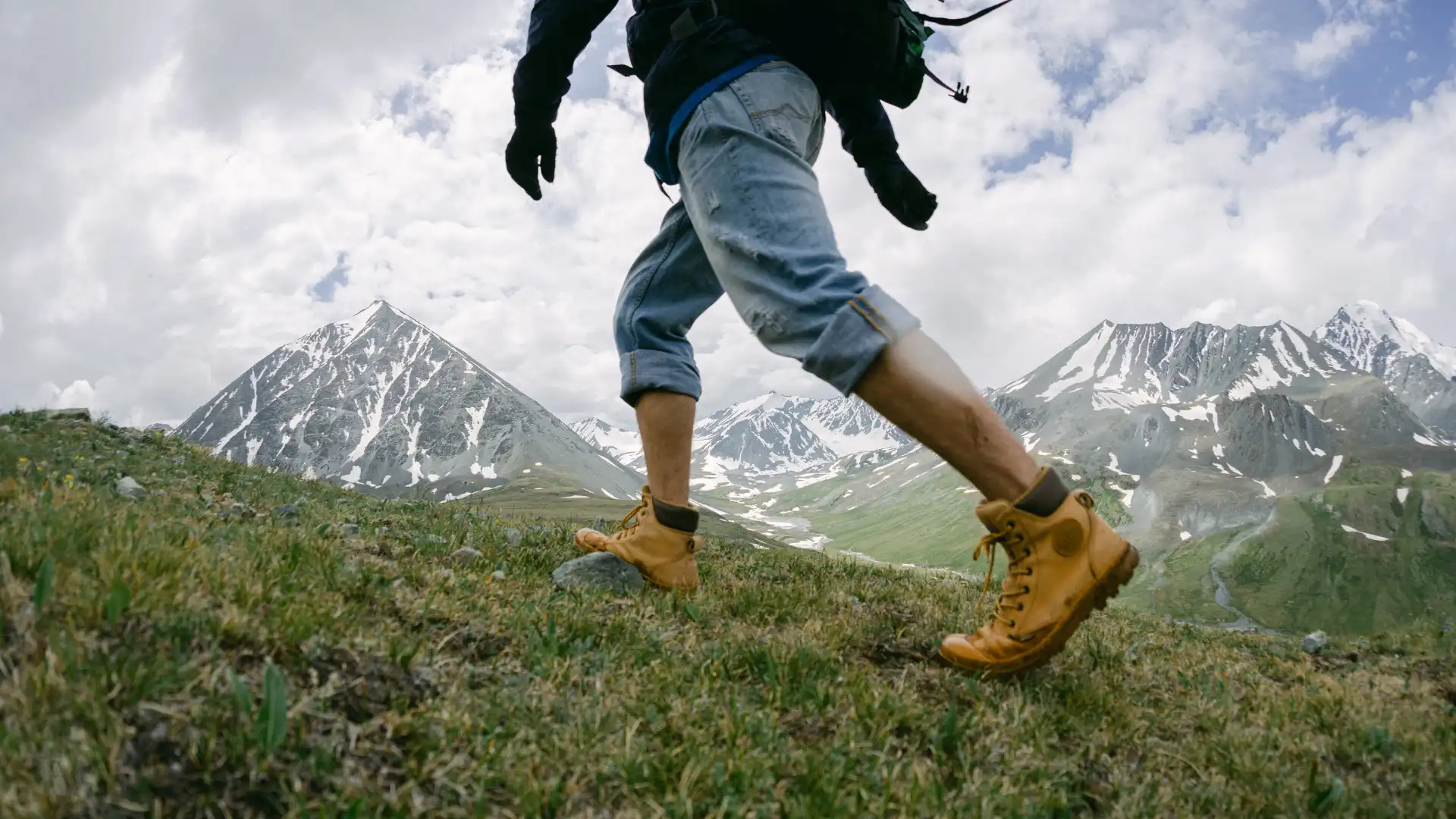

Toe socks are designed to reduce friction, prevent blisters, and keep feet dry by separating each toe into individual sleeves. This design helps wick moisture between toes and allows natural toe movement, improving comfort during running, hiking, and long workdays.
But do toe socks really work, or are they just a gimmick?
If you’ve ever finished a run with burning hot spots, taken off your shoes to find damp, pruny toes, or felt your forefoot cramp from being squeezed together, you’ve already experienced the exact problems toe socks are made to solve.
They may look unusual, more like gloves for your feet, but the idea is simple and practical: reduce friction, control moisture, and let your toes move naturally. For runners, hikers, and people who spend long hours on their feet, this small design change can lead to fewer blisters, drier skin, and noticeably better comfort.
In this guide, you’ll learn what toe socks actually do, when they work best, and how to choose a pair that makes a real difference.
The quick answer: what’s the point of socks with toes?
Toe socks separate your toes into individual fabric sleeves. That one design change prevents skin-on-skin rubbing, wicks sweat from between the toes, and gives your toes enough space to splay and engage for balance and propulsion. The result is less friction, drier skin, and a more natural toe position inside the shoe. If you’ve struggled with blisters between or at the tips of your toes, or if your feet just feel cramped by day’s end, toe socks directly target those issues.
Consider trying a pair on your next long walk or run; many people notice the difference within a single outing.
How toe socks work
- Friction management: When toes touch, sweat and movement create hot spots. A thin, low-friction sleeve around each toe turns “skin-on-skin” into “fabric-on-fabric,” which slides more smoothly and chafes less.
- Moisture control: Standard socks can’t wick what they don’t touch. Toe socks bring fabric to the spaces between your toes, drawing sweat away so your skin stays drier. If you often deal with excessive sweating, choosing the right materials is just as important. You can learn more in this guide on best socks for sweaty feet.
- Natural splay and alignment: Toes are meant to spread with each step. Gentle separation lets them align in their own “lanes,” helping your big toe do its job in push-off and giving you a more stable platform.
- Sensory feedback: With each toe moving independently, your foot often feels more connected to the ground. That subtle awareness can translate into better balance on uneven terrain and more confident foot placement.
None of this makes toe socks a medical cure. They won’t reverse structural deformities or instantly fix form issues. But as a daily comfort upgrade and a reliable blister-prevention tool, they punch above their weight.
If blisters between your toes or along the toe edges keep derailing training or hikes, don’t wait for another rough week. Test a pair on your very next session.
Benefits you’ll notice day
The most common first impression is simply, “No more toe rub.” When the barrier does its job, hot spots that used to show up by mile three never appear. That alone can save training cycles and prevent lost weekends on the couch.
You may also notice your feet feel fresher at the end of the day. Drier skin is happier skin with less pruning, less odor, and a lower chance of that itchy, irritated feeling that flares when moisture hangs around. Some people describe a “more natural” stance inside their shoes, because the big toe can line up and press down without fighting its neighbors. On technical trails, that can mean steadier footing; on long workdays, it can mean fewer small aches from constant micro-adjustments.
If you’ve been on the fence, start with activities that typically trigger discomfort. Many readers begin with toe socks for long runs or hikes, then quietly switch their everyday drawer once they feel the difference.
Toe Socks vs Regular Socks
| Feature | Toe Socks | Regular Socks |
|---|---|---|
| Blister Prevention | High | Medium |
| Moisture Control | High | Low |
| Toe Movement | Natural | Restricted |
| Comfort (Long Use) | Higher | Moderate |
Where toe socks shine
Running and hiking
Distance amplifies small problems. Friction and moisture that seem fine at mile one may be unbearable by mile ten. Toe socks target both and are especially helpful for:
- Interdigital blisters
- Tip blisters on the second toe
- Hot spots at the base of the toes where they meet the ball of the foot
They also help when you’re frequently changing pace, terrain, or elevation, which are situations where toe splay and grip matter.
A smart first test: wear toe socks for your week’s longest outing, then compare your skin and comfort to a similar effort in regular socks.
Long days on your feet
Nurses, teachers, retail and hospitality staff, and warehouse workers who stand and walk for hours often report that toe socks keep feet drier and less “swollen-feeling.” That can reduce end-of-day fatigue and the urge to kick shoes off the moment you get home.
If your job has you moving nonstop, consider rotating a pair into your weekday lineup.
Gym, yoga, and home training
Independent toe movement encourages active engagement through your forefoot during lunges, balance work, and light plyometrics. If your routine includes stability drills, toe socks can complement that focus. For mat-based work, look for versions with gentle grips if your studio allows them.
Travel
Long flights and road trips trap moisture and heat. Packing a pair of lightweight toe socks can help you step off the plane with feet that don’t feel soggy and cramped. They’re also easy to hand-wash and quick to dry in a hotel sink.
The trade-offs (and easy fixes)
- They take a touch longer to put on. Working each toe into place can feel fiddly at first. After a week, most people don’t notice. If you struggle, try a thinner, more elastic fabric; it slides on faster.
- They can fill more space in the toe box. Five small sleeves add volume. If your shoes are already snug up front, you might feel pressure. A thinner sock or shoes with a roomier, foot-shaped toe box typically solves it.
- They may higher cost. The knitting is more complex. Longevity varies by brand and fabric, so focus on value: preventing one race-ruining blister is often worth the price difference.
- The sensation is new. Some describe a light “tickle” the first few wears. That fades quickly as your brain recalibrates. If it doesn’t, swap thickness or fabric; feel is highly individual.
If your current socks leave you with damp, scraped toes, a small fit adjustment is a fair trade for comfort that actually lasts the whole run or work shift.
How to Choose the Right Toe Socks
Material matters more than marketing. Start by matching fabric and construction to your needs:
- Fabric blend: Merino wool blends excel at temperature regulation and odor resistance while staying soft when damp. Synthetic blends shine for fast wicking and durability. Cotton holds moisture so you should avoid it for long efforts.
- Thickness and cushioning: Thinner socks reduce bulk and generally prevent between-toe blisters best. Choose midweight only if you need extra padding under the ball or heel, and confirm your shoes have the room.
- Seam quality: Look for flat or hand-linked seams around the toes. Rough seams can create the very hot spots you’re trying to avoid.
- Fit and stretch: A snug, foot-hugging fit prevents fabric from bunching between toes. If you’re between sizes, most people fare better sizing up to avoid tension across the toe tips.
- Height: No-show and ankle heights are airy and light; crew height protects from grit on trails and reduces heel collar rub.
- Compression: Light arch and midfoot compression can improve feel, but full “medical-grade” compression isn’t necessary for blister prevention.
If you’re just starting, buy two pairs in different fabrics (one merino blend, one synthetic) and note which feels better after a couple of real-world uses.
Make socks and shoes work together
Toe socks can’t fix shoes that pinch. If the front of your shoe narrows sharply or your toenails hit the top, you’ll neutralize their benefits. Aim for a shoe with a foot-shaped, wider toe box that lets all five toes wiggle without rubbing the upper. If you’re close on space, try a thinner toe sock first or adjust lacing to free the forefoot.
Many readers find that pairing toe socks with a naturally shaped toe box is the “click” moment. Suddenly, the foot spreads, grips, and pushes off without complaint. If you’re unsure about fit, a reputable running or hiking store can check your toe space in minutes.
Care, durability, and hygiene tips
Toe socks last longest when you treat them like performance gear. Turn them inside out before washing, use a gentle cycle, and skip fabric softeners. Air-drying preserves elasticity and fit; if you must machine-dry, use low heat. Keep toenails neatly trimmed to reduce wear at the toe tips. Rotating multiple pairs gives the fabric time to rebound and stay snug.
Those small habits extend life and keep the wicking channels working, so your socks perform on day 60 like they did on day one.
Common myths, clarified
“They’re just a gimmick.” If your main issue is friction or moisture between toes, toe socks solve that directly. Plenty of distance athletes and outdoor workers rely on them for this specific reason. That’s practicality, not gimmickry.
“They cause blisters because of extra seams.” Quality toe socks minimize seams and use soft, flat joins. If you’ve felt a seam, you likely had the wrong size or a poorly constructed pair. Switching to a better-knit or a size up usually fixes it.
“They’re only for minimalist or ‘barefoot’ shoes.” They work in any shoe with enough room, from daily trainers to hiking boots and work clogs. The key is toe space, not shoe philosophy.
“They’ll fix bunions or hammertoes.” Toe socks can encourage a more natural alignment day-to-day, which may feel better, but they aren’t a medical treatment. If you’re seeking correction, talk to a qualified clinician and consider a broader plan that may include footwear changes and specific exercises.
A simple 7‑day experiment
Not sure whether toe socks will help you? Try this quick, low-risk test:
- Day 1–2: Wear toe socks for your longest routine activity. Note any hot spots, moisture level between toes, and end-of-day odor.
- Day 3–4: Wear your usual socks for the same activities and conditions. Record the same notes.
- Day 5–6: Return to toe socks. Pay attention to toe space, balance on uneven ground, and how your feet feel in the last 20% of the session.
- Day 7: Compare your notes. If friction-related discomfort dropped and your feet felt drier with toe socks, you have clear, personalized evidence they’re worth keeping.
Many readers decide within one week, without guesswork or hype.
Realistic expectations: what toe socks can and can’t do
Toe socks can dramatically reduce between-toe blisters, keep feet drier, and help your toes spread and work more naturally. They can make long days and longer miles feel noticeably better. They can’t replace good shoe fit, thoughtful training progression, or medical care for persistent pain. Think of them as a smart, simple tool, especially effective when combined with roomy footwear and sensible foot care.
If you have a specific foot condition or pain pattern, consider asking a podiatry or sports-medicine professional whether toe socks fit your situation. Professionals often support conservative measures like better sock and shoe choices as part of a comprehensive plan.
Conclusion
Socks with toes separate each toe to cut friction, wick sweat from the spaces standard socks miss, and allow natural toe splay for comfort and stability. They shine in activities where blisters and dampness sabotage your day, such as running, hiking, long shifts, and travel, and they pair best with shoes that offer generous toe room. The main trade-offs are a slightly longer on/off routine and, sometimes, the need for a thinner option or roomier shoe. To choose well, match fabric to conditions (merino for all-day comfort, synthetics for maximum wicking), prioritize flat seams and a snug, non-bunching fit, and test in the real world. If your notes after a week show fewer hot spots and drier skin, you’ve found a small upgrade with outsized payoff.
FAQ
Do toe socks prevent blisters?
Yes, toe socks help prevent blisters by reducing skin-on-skin friction between toes.
Are toe socks better for sweaty feet?
Yes, they wick moisture from between toes, keeping feet drier than regular socks.
Are toe socks worth it?
They are worth it if you experience toe blisters, sweaty feet, or discomfort during long activities.