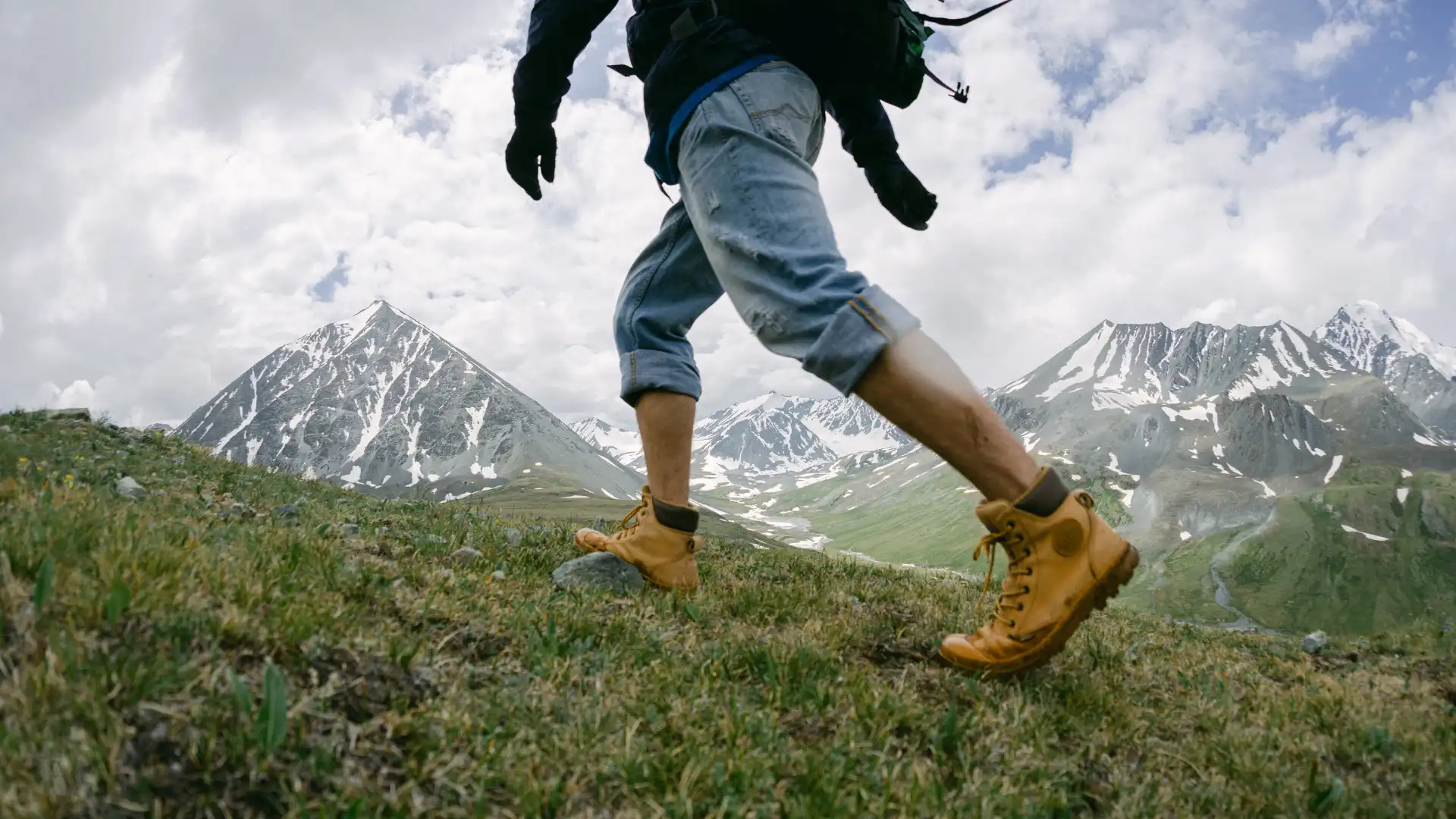

Hot days are great until your feet start to stew. Sweat pools, socks feel swampy, blisters threaten, and odor creeps in. The right summer socks solve most of these issues without any gimmicks. Choose breathable fibers that move moisture, a knit that lets air in and friction out, and a fit that stays put when the temperature climbs. Do that and your feet feel cooler, drier, and far less tired at the end of the day.
This guide focuses on what truly works in hot weather, whether you’re at the gym, on a trail, wearing work boots, or spending long days in the city. You’ll learn which materials beat the heat, which construction details matter, and how to match sock height and cushioning to your shoes and activities. If you only skim: thin Merino wool or advanced synthetic blends, light cushioning, smooth toe seams, and a secure (not tight) fit are the winning formula for most people. When in doubt, start there.
What Are the Best Socks for Hot Weather?
- Ultralight Merino wool or synthetic blends
- Breathable mesh ventilation zones
- Light cushioning to reduce heat
- Seamless toe to prevent blisters
- Snug fit that stays in place
Lightweight, breathable socks made from Merino wool or synthetic blends are best. They wick moisture, improve airflow, and help prevent sweat, odor, and blisters.
What Actually Keeps Feet Cool and Dry
Feet stay comfortable in summer when moisture-wicking socks allow sweat to evaporate and reduce friction.
Two factors drive that:
- Moisture management: Fibers and yarn blends that pull sweat off your skin, spread it through the fabric, and let it evaporate quickly. That’s what “moisture‑wicking” means in practice.
- Airflow and low friction: A breathable, low‑bulk knit allows air to circulate while reducing hot spots. Smooth seams, secure fit, and the right amount of cushioning help prevent rubbing that leads to blisters.
Ignore heavy marketing terms and ask: will this sock move moisture, let air in, and stay put? If yes, you’ve likely found a solid summer option. You might start by trying one pair on a run, hike, or long shift to feel the difference for yourself.
The Best Materials for Summer Socks
Materials aren’t about trends, but they’re about physics. Different fibers move (or trap) moisture in different ways. Here’s how to pick with confidence.
Ultralight Merino Wool Socks for Hot Weather
Merino is a summer standout when knit thin. It absorbs moisture vapor from your skin yet still feels dry, then releases it to evaporate. It’s naturally odor‑resistant and comfortable against bare skin. For durability and stretch, most great warm‑weather Merino socks blend in nylon and a touch of elastane.
What to look for:
- “Ultralight,” “light,” or “summer weight” Merino
- A blend that lists Merino first or second, with nylon and elastane for strength and fit
- Fine‑gauge knit and ventilation zones across the top of the foot
Great for: running, hiking, travel, all‑day wear, and anyone dealing with sweaty feet who wants less odor and more comfort.
Technical Synthetics
Performance synthetics are hydrophobic and do not retain water, so they wick sweat away from your skin and dry fast. They’re durable, budget‑friendly, and widely available in athletic cuts. Look for mesh panels, targeted cushioning, and a smooth toe seam. If you’re odor‑sensitive, pair them with frequent washing or an in‑shoe deodorizer.
Great for: high‑intensity workouts, hot‑humid climates, and situations where frequent washing and fast drying matter most.
Cotton and Cotton‑Blend Socks
Cotton is breathable and soft, but pure cotton holds onto moisture. That’s fine for low‑sweat, casual wear; not great for long runs, hikes, or work boots in July. If you prefer the feel of cotton, choose a cotton‑poly blend with a thin, airy knit and clear moisture‑management features. Save true 100% cotton for short, low‑sweat outings.
Great for: office wear, short walks, dress shoes on mild days.
“Bamboo,” Viscose, and Other Regenerated Cellulose
These fibers feel silky and cool at first touch. They can absorb moisture but often dry slower than synthetics and may not be as durable. If you love the hand‑feel, choose a thin, ventilated knit blended with nylon and elastane.
Great for: low‑sweat lifestyle wear when softness is your top priority.
Construction Details That Matter More Than You Think
Two socks can share the same fiber label and feel wildly different in heat. That difference lives in the knit and the patterning.
Knit Density and Ventilation Zones
Look for a fine‑gauge body with open mesh across the top of the foot. That mesh acts like a radiator, promoting airflow where shoes trap heat. Denser knit underfoot improves durability without overheating if it’s thin.
Cushioning and Thickness
More cushion usually means more fabric and more warmth. In hot weather, “ultralight” or “light” cushion is the sweet spot. That tiny bit of padding reduces friction and impact without trapping heat. Zero‑cushion socks can work in well‑fitting shoes but may increase hot spots on longer outings.
Toe Seams and Friction Points
Seek “flat,” “hand‑linked,” or “seamless” toe construction. A bulky seam can feel fine at mile one and ruin your day by mile six. Also check the heel cup: a sculpted heel reduces slippage and bunching.
Fit and Light Compression
A summer sock should hug your foot without squeezing. Light compression through the arch and ankle helps the sock stay put, supports tired feet, and moves moisture up and out of the shoe collar. If your socks leave deep marks or feel tight at the end of the day, size up.
Heel Tabs and Slip Prevention
For no‑show styles, a soft heel tab helps guard against Achilles rub and keeps the sock from sliding into your shoe. Silicone grippers inside the heel are a bonus if you’re prone to slippage.
Reinforced Heel and Toe
Even in summer weights, reinforcement at high‑wear zones prolongs life and prevents blowouts. You want durability without extra bulk.
If you’re upgrading, scan the product page for words like “mesh,” “vent,” “ultralight,” “flat toe,” “arch support,” and “reinforced heel/toe.” Those details tend to correlate with cooler, longer‑lasting comfort.
Sock Height and Cut for Hot Weather
Height isn’t just a style choice—it affects moisture movement and protection.
- No‑show: Coolest feel and clean look for sneakers. Prioritize a heel tab and grippy heel if you’ve had slip issues. Best for road running, gym, and casual wear.
- Ankle/Quarter: Slightly higher, with better debris protection on gravel paths. Often the easiest all‑rounder for summer.
- Micro‑crew/Crew: More fabric means marginally warmer, but these shine in hiking shoes and boots. The extra height wicks moisture up and out of the shoe collar and shields your ankles from brush, sun, and boot cuffs.
If you’re unsure, choose ankle for everyday and micro‑crew for trails, travel, and boots. Many readers who fight sweaty feet find that a crew height actually feels drier on long days because moisture moves off the foot more efficiently.
Best Socks for Different Summer Activities
Running and Gym Workouts
Pick ultralight or light‑cushion socks with a breathable mesh top and a flat toe seam. No‑shows with a heel tab reduce slippage; ankle heights add a hair more stability and protection. Merino blends shine if odor bothers you; synthetics win for fastest dry times. Consider trying one pair on your longest run this week, you’ll know quickly if you need a touch more cushion.
Hiking, Walking Tours, and Travel Days
Go with thin micro‑crew or crew socks that blend Merino with nylon. Light cushion underfoot, mesh on top, and a secure arch wrap are the winning trio. The height protects your ankles, moves sweat upward, and pairs well with trail shoes or light boots. Many travelers pack two pairs and alternate: one on foot, one washed and air‑drying.
Office, Commuting, and Dress Shoes
Thin, breathable knits rule. In loafers or dress shoes, choose ultralight Merino or a cotton‑poly blend with a smooth toe. If your commute is hot, try a crew-height summer Merino sock with ventilation. Your feet will stay drier and your shoes will remain fresher.
Best Socks for Work Boots in Heat
Look for durable crew socks with targeted cushioning at the heel and forefoot, a breathable instep, and a snug arch. Merino‑nylon blends manage sweat and odor better across a 10–12 hour shift. If your boots run hot, test a lighter cushion than you normally wear; the reduced bulk often runs cooler without sacrificing comfort.
Cycling and Court Sports
A thin, lightly compressive crew sock that won’t sag is ideal. Prioritize breathability over cushion; your shoes provide structure. Vented insteps and a supportive cuff prevent slouching in repetitive motion.
Sandals, Water Days, and Going Sockless
If you love sandals, quick‑dry synthetic socks can be great for sun protection or long walks. If you go sockless in closed shoes, expect more odor and friction. At minimum, rotate shoes and use an in‑shoe deodorizer. For travel, pack one ultralight pair, you can always slip them on if hotspots start.
Fit, Sizing, and Blister Prevention
Fit is your first line of defense against blisters and end‑of‑day foot fatigue. Socks that are too tight reduce circulation; too loose and they bunch, creating friction. Match your sock to your shoe volume: low‑volume, ultralight socks for snug shoes; light cushion for roomier fits.
A few practical tips:
- Trim toenails and smooth calluses with less friction, fewer snags.
- Lace shoes for heat: a slightly looser forefoot and secure heel cup reduces forefoot friction in hot, swollen conditions.
- If you’re prone to hotspots, try a dab of anti‑chafe balm on trouble zones or test a thin liner sock under a light‑cushion sock. Layering can help on long hikes without overheating.
Consider trying two weights in the same model. Many people discover their ideal combo only after a real‑world test on a hot day.
Care That Keeps Summer Socks Performing
Good socks last longer and feel cooler when you care for the fibers.
- Rotate pairs. Having 4–5 “in‑season” pairs lets elastic recover between wears and reduces odor buildup.
- Wash inside‑out on cold or gentle. This preserves the knit and keeps the face fabric smooth.
- Skip fabric softener and bleach. Both can coat or weaken fibers, reducing wicking and elasticity.
- Air‑dry whenever possible. High heat is hard on elastic. If you must use a dryer, use low heat.
- Freshen shoes, too. Clean, dry shoes make clean, dry socks more effective. Use removable insoles, sunlight, or a shoe‑specific deodorizer.
If odor lingers, an occasional white‑vinegar rinse before washing can help, especially with synthetic socks.
Quick Buying Checklist
- Ultralight or light cushion for breathability and reduced bulk
- Merino‑nylon blend or high‑quality polyester/nylon
- Fine‑gauge knit with mesh/vent zones on the instep
- Flat or hand‑linked toe seam; sculpted heel
- Light arch support and gentle cuff compression so socks stay put
- No‑show with heel tab for sneakers; micro‑crew/crew for hiking or boots
- Reinforced heel/toe for longevity without extra thickness
- True‑to‑size fit that hugs without leaving deep marks
- Avoid pure cotton for high‑sweat activities; choose blends or Merino instead
Use this list to compare two pairs side by side. Most people can tell which is the better summer sock in just 30 seconds.
Common Myths About Summer Socks
“Wool is only for winter.” Thin Merino wool performs great in heat because it manages moisture vapor extremely well and resists odor. Warmth depends on the knit and thickness, not just the fiber itself.
“Thicker cushion is always more comfortable.” On hot days, extra bulk traps heat and increases sweat. Light cushion often feels better and stays drier over hours.
“Going sockless keeps you cooler.” In closed shoes, bare skin increases friction and odor. A thin, wicking sock usually feels cooler by hour three than no sock at all.
Conclusion: What Socks Are Best for Hot Weather?
The best socks for hot weather balance three things: moisture management, airflow, and friction control. Ultralight Merino or advanced synthetics, a fine‑gauge knit with ventilation, smooth seams, and a secure fit make the biggest difference. Match height to your shoes, and choose light cushioning to reduce heat without sacrificing comfort. Rotate pairs, wash inside‑out on gentle, and air‑dry to keep performance high all season.