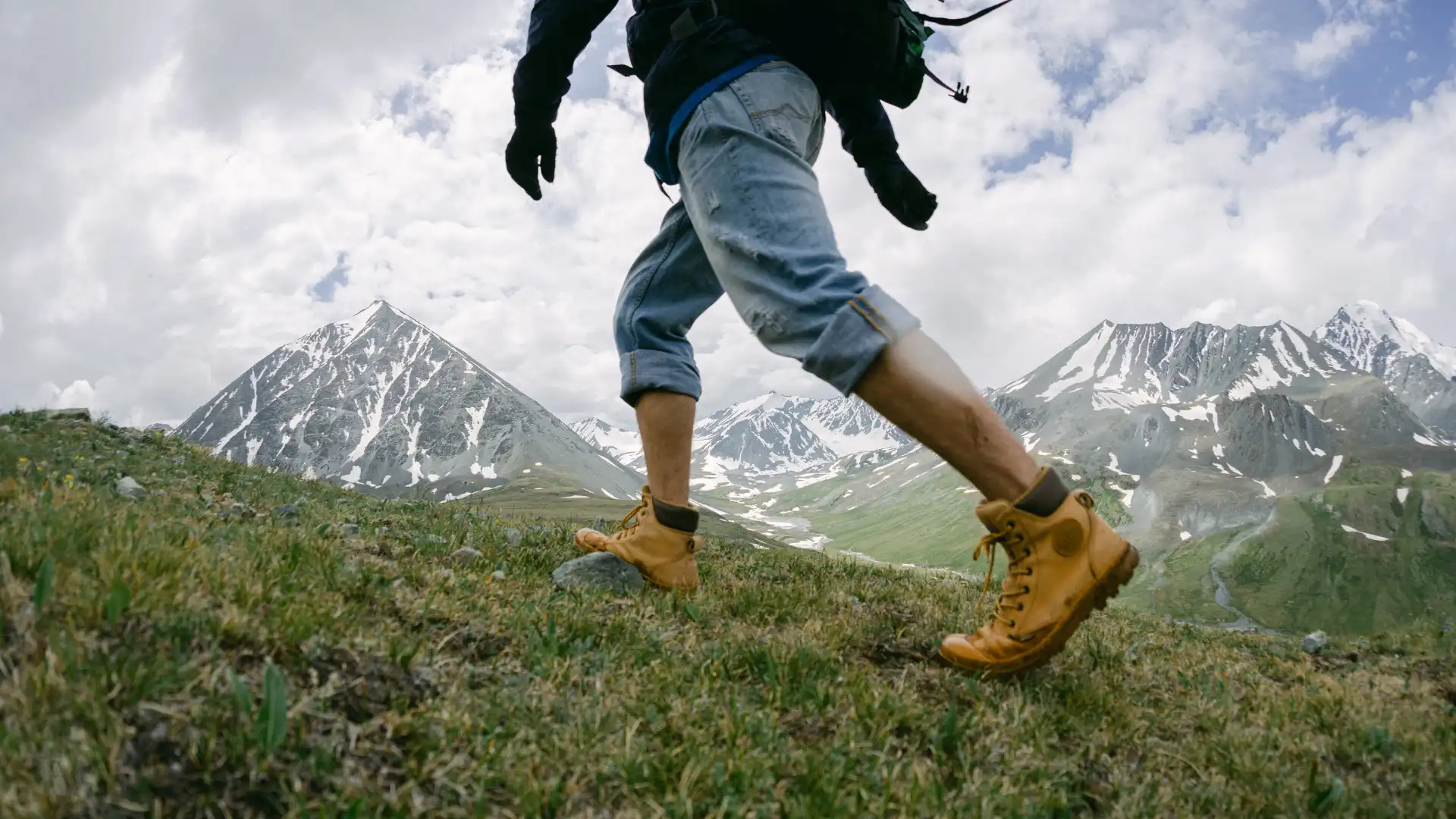

If your feet end most days clammy, sore, or a little embarrassing, you’re not alone. Feet have a dense cluster of sweat glands, and when moisture lingers it softens skin, invites odor, and turns every step into friction. The right moisture-wicking socks change that story. They manage sweat, stabilize temperature, reduce rubbing, and help your shoes feel better for longer without you thinking about them.
This guide distills what truly matters so you can pick socks that keep you dry in real life: at the gym, on the trail, under office slacks, or inside work boots. Expect clear recommendations, quick decision tips, and a few smart habits that make a big difference. If you’re tired of swampy socks by lunch, consider this your turning point.
How Moisture Wicking Socks Works
Moisture-wicking isn’t magic; it’s materials and construction working together to move sweat away from skin and out toward evaporation.
- Fibers do the first job. Hydrophobic synthetics do not absorb much moisture. They move liquid along the yarn surface through capillary action to help spread and dry it out faster. Merino wool is hygroscopic: its fibers take up moisture vapor inside the fiber core while the surface stays relatively dry to the touch, helping you feel drier even during spikes of sweat.
- Knit structure makes or breaks performance. Targeted mesh zones vent heat, ribbing locks a sock in place, and higher-density terry loops under the heel and forefoot add a buffer and extra surface area to manage moisture where you sweat and strike most.
- Sock height expands the drying “chimney.” When the cuff rises above your shoe collar, it creates more surface for moisture to migrate upward into moving air, especially useful in boots or during long days.
Think of a sock as a tiny climate system. Get the fiber and fit right, and your in-shoe weather improves immediately.
The Best Fabrics for Sweaty Feet
Choose by fiber first, then refine by weight and knit.
- Merino wool blends: The gold standard for all-day comfort. Merino regulates temperature, resists odor naturally, and can hold a surprising amount of moisture vapor before feeling wet. Look for mid-to-high merino content blended with nylon or elastane for durability and recovery. Great for hiking, travel, office wear, and any “from morning to night” scenario.
- Performance synthetics: Polyester (including branded variants designed for wicking) and nylon excel at rapid transport and durability. They shine for high-output training, running, and hot gyms. Many athletic socks use a synthetic base yarn with open-mesh insteps for airflow.
- Polypropylene liners: Ultra-thin liner socks can add a slick, hydrophobic first layer. They move sweat away from the skin quickly and reduce friction between the skin and outer socks. This works well for long hikes or extended duty shifts.
- Antimicrobial infusions: Some socks integrate silver or copper ions to curb odor-causing bacteria. They can help, especially if you rotate fewer pairs, though good fiber choice and regular washing remain foundational.
- Cotton (in high percentages): Best avoided for sweaty feet. Cotton soaks and holds moisture, collapses under pressure, and stays clammy. If a sock includes cotton, keep it a small fraction in a performance blend and expect lower overall drying performance.
Don’t chase the softest hand feel at the store. Ultra-plush can equal ultra-soggy once you’re actually moving. Prioritize purposeful blends and functional knit over showroom softness.
Fit, Height, and Cushioning: Small Choices, Big Differences
Even the best fabric can’t help if the sock doesn’t fit or stay put.
- Fit: A performance sock should fit like a second skin, with no baggy heels, no slipping cuffs, and no bunching at the toes. A secure, locked-in fit reduces micro-movements that cause friction and blisters. If you’re between sizes, most people with sweaty feet prefer the smaller size for better hold.
- Height: Match height to footwear and sweat rate. Low/no-show for breathable trainers; quarter or crew for trail shoes and everyday sneakers; boot or over-the-calf for work, hiking, ski, and duty boots. Taller cuffs improve capillary “lift” for moisture and protect your skin from collar rub.
- Cushioning: Choose the lightest cushion that still feels good for your activity. Ultralight for running or indoor training where shoes are already plush; light to midweight for hiking and long work shifts; full cushion in stiff boots or cold conditions. Higher-density cushioning (not just thickness) absorbs sweat and reduces hotspot pressure.
Best Moisture Wicking Socks by Activity
Dial your choice by activity, climate, and footwear. Here’s how to think through common scenarios.
Running and Gym Training
Go with ultralight or light-cushion synthetics or merino blends that prioritize quick transport and lockdown. Look for:
- Deep heel pockets, arch wrap, and a seamless or hand-linked toe to prevent rubbing.
- Heel tabs on low-cuts to stop collar bite.
- Open-mesh vents over the instep.
If treadmill sessions leave you wringing out socks, step up to a merino-blend crew for a taller drying chimney and better odor control.
Hiking and Backpacking
Choose merino-rich crews or boot-height socks with mapped cushioning under heel, forefoot, and along the Achilles. In warm conditions, a light-cushion crew is often enough; in shoulder seasons or with stiffer boots, midweight cushion adds comfort without swampiness. For high-mile days, consider a polypropylene or nylon liner under a merino outer to reduce friction and manage spikes of sweat.
Pack a spare pair for travel stops or camp use. Changing into dry socks midway keeps skin resilient and can prevent painful hot spots by the end of your day.
Work Boots and Duty Footwear
You need durability, stay-put compression, and long-wear odor control. A merino-blend boot or over-the-calf sock with a snug leg and reinforced heel/toe is ideal. Look for ribbed cuffs that won’t creep down and a high nylon content in wear zones. If your job means lots of kneeling or ladder work, targeted shin padding can help.
Many readers choose two pairs per shift: start in a fresh pair, then swap at lunch. The second half of the day feels miles better.
Office, Travel, and Dress Shoes
Seek fine-gauge merino crews or over-the-calf dress socks with light compression. They manage temperature swings (planes, boardrooms, sidewalks) and resist odor in enclosed leather shoes. Over-the-calf stays put under slacks and quietly adds that drying chimney effect. If your leather shoes run hot, a thin liner beneath a fine merino dress sock is a discreet upgrade.
Snow Sports and Cold Weather
Over-the-calf, light to midweight merino socks keep circulation free and boot fit precise. More thickness does not equal more warmth if your boot fit tightens and restricts blood flow. Prioritize smooth low bulk cushioning and a secure fit to prevent heel lift and shin irritation. Sweat buildup still happens in cold weather and merino wool based socks help avoid chilling when you stop moving.
Water, Waders, and Neoprene
Neoprene doesn’t breathe, so sweat accumulates. Wear a moisture-wicking merino or synthetic sock inside wader booties to buffer moisture and fight odor. Rinse booties, hang dry fully, and wash socks promptly; that simple habit prevents stubborn smells from setting in.
How to Prevent Odor Control and Skin Health
Sweat itself is mostly odorless; bacteria thriving in warm, damp conditions create smell. Break the cycle with a few habits:
- Rotate shoes so each pair fully dries between wears.
- Wash socks inside-out to clean the inner surface where sweat and skin cells collect. Avoid fabric softeners because they coat fibers and slow wicking.
- Use a roll-on antiperspirant on clean, dry feet before bed; you’ll wake with drier skin that plays nicer with socks the next day.
- Dust a tiny amount of non-talc powder on insoles if you need extra moisture control.
- If you suspect athlete’s foot, treat it early; broken or itchy skin increases odor and blister risk.
Have severe, persistent sweating that soaks through everything? Moisture-wicking socks will still help, improving comfort and reducing odor, but you can also consider medical options like prescription-strength antiperspirants or at-home iontophoresis devices for longer-term control. You don’t have to live with constant sogginess.
How to Wash and Care Moisture Wicking Socks
Good socks are technical gear. Care for them and they’ll return the favor.
- Wash warm or cool, inside-out, with mild detergent. Skip bleach and softeners.
- Tumble low or air-dry flat; high heat can degrade elastic and shrink merino.
- Store flat or folded, not balled up, to preserve the cuff.
Replace when cushioning compresses flat, elastic waves or sags, or you notice persistent dampness where the same model used to keep you dry. Most people who wear their socks regularly get the best results from keeping enough pairs for rotation. This means having one weekly set for work and a separate set for training activities.
Consider building a small “sock system”:
- 2 ultralight no-shows (training and hot days)
- 2 light-cushion crews (daily wear, hikes, travel)
- 1 boot or over-the-calf pair (work boots or winter)
That five-pack covers almost everything without overbuying.
Buyer’s Checklist
Use this in the aisle or online:
- Fiber: Merino-rich blend or performance synthetics; avoid high-cotton content.
- Fit: Snug arch, locked heel, no bunching; seamless or hand-linked toe.
- Knit map: Mesh over instep; denser zones under heel/ball; stable cuff.
- Height: Low for breathable trainers; crew for everyday and trails; boot/OTC for boots.
- Cushion: Choose the lightest that still feels good in your shoes; density beats fluff.
- Odor strategy: Merino’s natural resistance or responsible ion treatments if needed.
- Care note: No fabric softeners; low heat dry; durable reinforcement in high-wear zones.
Don’t miss the benefits of trying one pair in each “job” category you do most. A tiny, thoughtful upgrade here pays off every single step.
Common Mistakes to Avoid
- Buying “one-size-fits-all” socks and accepting heel slop or toe bunching.
- Assuming thicker equals warmer; compressed circulation creates colder, sweatier feet.
- Wearing low socks in high collars; let a taller cuff move moisture and protect skin.
- Relying on cotton for long days; it will soak, stay wet, and amplify odor.
- Skipping mid‑day changes on long hikes or shifts when a spare pair could reset comfort.
- Washing with softeners that sabotage wicking and stretch recovery.
Conclusion: Choose Smarter, Sweat Less
Moisture wicking socks work by regulating the microclimate inside your shoes. They pull sweat away from your skin resist odor buildup and keep friction to a minimum. Prioritize merino blends or performance synthetics, lock in a second-skin fit, match height and cushion to your footwear, and add simple habits like rotation and inside-out washing. If you’re managing very sweaty feet, combine great socks with smart foot care or medical options for all-day confidence. Start with a light-cushion crew for daily wear and an ultralight trainer sock for workouts, then build from there based on what your feet tell you.
FAQ
What socks are best for sweaty feet?
Moisture-wicking socks made from merino wool or synthetic fibers are best because they move sweat away and reduce odor.
Are cotton socks bad for sweaty feet?
Yes. Cotton absorbs and holds moisture, making feet feel wet and increasing odor and friction.
How do I stop my feet from sweating in shoes?
Wear moisture-wicking socks, rotate shoes, wash socks properly, and consider antiperspirant for severe sweating.