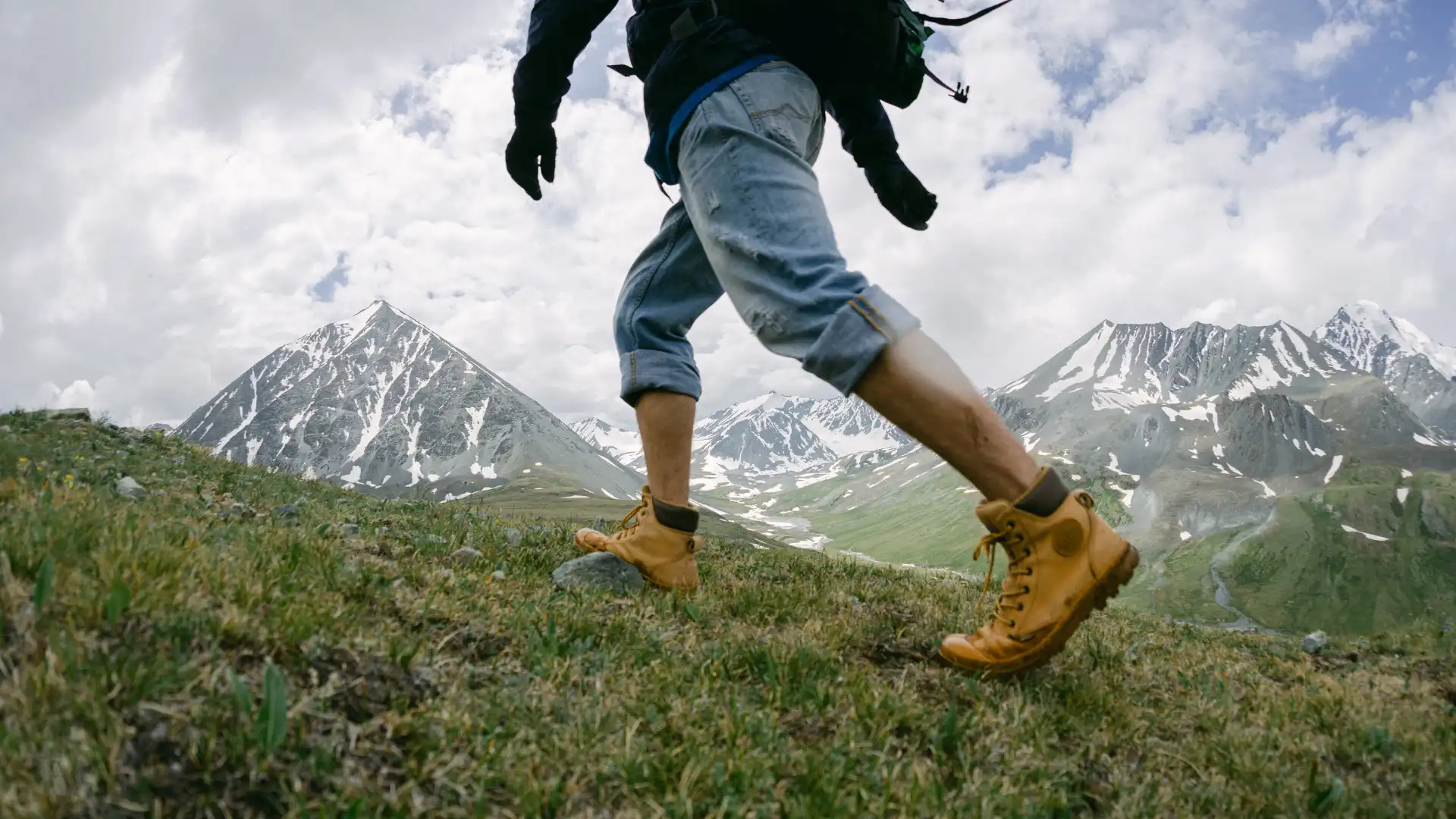

If your toes throb by lunch, your heels burn by closing time, or your boots smell like last week’s shift, your socks are likely the missing link. The best socks for steel toe boots don’t only feel nicer, but also they actively solve the problems steel caps create: toe‑box pressure, trapped heat, friction, and fatigue. With the right pair, you can step lighter, stay drier, and finish a long day without thinking about your feet. Many workers discover that one thoughtful change switching socks delivers more comfort than swapping insoles or even boots. Consider this your clear, expert roadmap to choosing socks that work as hard as you do.
Why Steel Toe Boots Cause Pain and How Socks Help
Steel caps are brilliant at protecting toes, but they also concentrate pressure along the cap edge, shrink usable toe space, and amplify heat. The boot’s rigid structure can rub at the heel collar and ankle bones, and its heavy outsole transmits repetitive impact through the forefoot and heel. Quality work socks act like tuned suspension: they redistribute pressure, wick sweat, buffer impact, and lock the sock in place so it doesn’t bunch or creep.
When you prioritize the right materials and construction, you reduce hotspots, keep skin drier, and cut blister risk. You’ll also maintain a more stable foot inside the boot, which lowers fatigue over a full shift. If you’re battling one main issue, like toe-cap bite or sweaty feet, use the guidance below to target that problem first.
Key Features of the Best Socks for Steel Toe Boots
- Targeted toe‑cap protection: Look for denser, mapped cushioning that wraps the toes and the forefoot where the cap edge presses. This single feature prevents most “cap‑edge” pain.
- High‑density underfoot cushion: Denser terry or pile under the ball and heel softens impact without feeling spongy. It should feel stable, not marshmallowy.
- Seamless or flat toe: A smooth toe closure removes a pressure ridge right where space is tightest. If you crouch or kneel a lot, this is a must.
- Moisture control that breathes: Merino wool and advanced synthetics move sweat off skin and let heat escape. Dry skin is far less prone to blisters and odor.
- Snug, stay‑up fit: Compression in the arch and leg keeps the sock from sliding, sagging, or twisting, which are common causes of hotspots..
- Durable, reinforced zones: Heels, toes, and the boot‑collar area take abuse. Reinforcement extends life and prevents blowouts.
- Odor resistance: Merino fibers and some technical synthetics help control odor, which matters in waterproof or insulated boots that trap humidity.
If toe pressure is your pain point, prioritize toe‑cap padding and a seamless toe. If you stand on concrete all day, choose denser underfoot support. If sweat and odor rule your shifts, elevate moisture management above all else.
Best Materials for Steel Toe Boot Socks
Merino Wool
- What it does best: Regulates temperature, wicks moisture even when damp, and resists odor naturally. It’s soft, not itchy, and performs in both cool and warm conditions.
- When to choose it: All‑season comfort, variable weather, and long shifts where smell and sweat are issues.
- What to watch: Pure merino is rarely used alone; blends with nylon for durability and a touch of elastane for stretch are ideal.
Performance Synthetics (polyester, nylon, olefin)
- What they do best: Move moisture fast and dry quickly; many modern knits rival merino for breathability and abrasion resistance.
- When to choose them: Hot worksites, extreme humidity, or when you need the absolute fastest sweat transport.
- What to watch: Very thin, airy synthetics can run cooler but may offer less long‑term cushioning if not densely knit.
Cotton (use sparingly)
- Upside: Soft feel at first wear.
- Downside: Holds sweat, dries slowly, and compresses under load. In steel toes, wet cotton means blisters, odor, and chilly feet once you stop moving.
- Verdict: If you love the feel, use a merino or synthetic blend with only a small cotton component for comfort, not as the main fiber.
Blends Are Your Friend
- The sweet spot for most workers is a merino‑rich blend reinforced with nylon and finished with elastane. You get stable cushioning, moisture control, and real durability. In peak heat, a synthetic‑forward blend with mesh ventilation can feel noticeably cooler in steel toe boots.
If you’re unsure, start with a merino‑nylon blend for all‑season use, then add a synthetic‑forward summer pair for the hottest weeks.
Cushioning Guide for Work Socks in Steel Toe Boots
Light Cushion
- Thin, high‑density knit that reduces bulk while still protecting skin from seams and light friction. Best for tight boots or hot days.
Medium/Targeted Cushion
- Denser padding under the heel and ball with extra in the toes. This is the “everyday” choice for most steel toe boots, offering enough impact absorption without stuffing the toe box.
Full/Steel‑Toe Cushion
- Terry loops or dense padding across the entire sole and wrapping the toe box. Ideal for long hours on concrete, frequent kneeling, or heavier bodies that demand more shock protection. Slightly thicker; confirm you still have toe room.
Best Sock Height for Steel Toe Boots
Crew (6–9 inches)
- Clears most 6‑inch boots; protects the ankle bone and top of the collar.
Boot Height (10–12 inches)
- Rises above typical 8‑inch shafts. Helps if your collar rubs or you prefer shin coverage.
Over‑the‑Calf
- Great for tall rubber boots, winter layers, or if you like firm leg compression to prevent sagging. Also reduces the chance the boot rim rubs your calf.
If your collar rubs or your socks slide, try stepping up one height. A taller cuff plus mild calf compression can solve both in one move.
How to Choose the Right Fit for Steel Toe Boot Socks
A great sock can’t fix a boot that’s already too tight, and an overly thick sock can turn a decent fit into toe squeeze. Aim for a sock that fills dead space without compressing your toes. Signs you nailed it: you can wiggle all toes freely, the toe seam sits flat, and you don’t feel the steel cap edge when crouching.
Quick fit tips:
- Choose your actual size; avoid “one size” for work socks.
- If you’re between sizes, size down only if the brand is known to run large; otherwise risk heel slippage.
- Trim toenails smoothly; jagged edges saw through fabric quickly.
- If you need micro‑adjustment in fit, a thin, high‑density sock can make snug boots wearable; a thicker, full‑cushion sock can fill loose boots, but confirm you still have circulation.
Hot‑Weather vs. Cold‑Weather Setups
Hot weather
- Prioritize breathability and moisture transport. A lightweight merino blend or a synthetic‑forward crew with mesh over the instep keeps air flowing inside the boot.
- Keep cushion targeted and dense (not fluffy) so it doesn’t trap heat.
Cold weather
- Choose higher merino content and more cushion to trap warm air. Over‑the‑calf heights shine for insulation and stay‑up power under layers.
- In waterproof boots, moisture still builds. Merino’s “works when damp” advantage matters here.
Layering?
- If you must layer, use a thin, slick liner under a medium‑cushion sock to reduce friction at the skin. But for most workers, one well‑engineered sock performs better and simpler than two.
How to Fix Common Steel Toe Boot Problems with Socks
Toe‑Cap Bite
- Look for wraparound toe padding plus a flat/hand‑linked toe seam. A slightly taller sock also prevents the collar from pushing the foot forward on descents.
Blisters and Hotspots
- Moisture is the enemy. Pick merino or advanced synthetics, ensure the sock doesn’t slip, and avoid cotton‑heavy blends. Replace pairs that have thinned under the heel.
Arch Fatigue and Plantar Soreness
- Mild‑to‑moderate arch compression helps maintain foot posture through the day. Pair with appropriate insoles if needed; socks won’t correct severe arch issues but can noticeably reduce fatigue.
Waterproof or Insulated Boots
- These trap humidity. Prioritize merino or very breathable synthetics with vent panels. Rotate pairs midday if possible to keep skin dry.
Electrical Hazard/ESD Considerations
- If your workplace requires EH‑rated footwear or ESD compliance, confirm any specialty fibers align with your safety policy. When in doubt, choose standard blends without metallic threads and check with your safety officer.
Sensitive Skin or Diabetes
- Seek smooth, low‑friction knits with non‑binding cuffs. A seamless toe and consistent compression (not tight bands) reduce pressure points.
Care, Rotation, and Sock Lifespan
Even the best socks fail early if you mistreat them. Turn socks inside out before washing to release grit, use cold or warm water, skip fabric softeners (they coat fibers and kill wicking), and tumble dry low or air‑dry. Rotate at least three pairs for daily use; giving fibers a day to recover extends elasticity and cushion.
Replace when you see:
- Thinned or shiny zones at heel/ball
- Persistent sagging despite proper size
- Pilling that becomes abrasive inside the boot
- New hotspots in familiar boots
How to Choose the Best Socks for Steel Toe Boots
- Your biggest issue is toe pressure: choose medium or full cushion with targeted toe padding and a flat toe seam.
- Your biggest issue is heat/sweat: choose a lightweight merino or synthetic‑forward crew with mesh instep panels.
- Your biggest issue is concrete impact: choose denser medium cushion underfoot (heel/ball) with stable arch support.
- Your collar rubs or socks slip: step up to boot height or over‑the‑calf with mild calf compression.
Three Field‑Tested Setups That Just Work
All‑Season Workhorse
- A merino‑nylon blend boot‑height sock with medium, high‑density cushioning under heel/ball and wraparound toe padding. It balances sweat control, cushioning, and durability across most job sites. Consider starting here if you’re buying your first upgrade.
Hot‑Day Cool Operator
- A breathable synthetic‑forward crew with vented instep panels, light‑to‑medium toe and heel cushion, and a flat toe seam. Ideal for steel toe boots in summer heat or humid interiors where swampy feet and odor normally win.
Cold‑Shift Comfort
- An over‑the‑calf merino‑rich sock with full or targeted cushion and firm stay‑up compression. Warmer shins, fewer rub points, and consistent fit inside insulated or waterproof boots.
Common Myths, Quickly Debunked
- Thicker always equals softer: Only if it’s dense and supportive. Bulky, fluffy loops can feel squishy, trap heat, and compress flat by midday.
- Cotton is “natural,” so it’s best: In work boots, “natural” doesn’t mean high performance. Cotton holds moisture and raises blister risk.
- More cushion means less control: The right dense cushion improves stability and shock absorption without the sloppy feel of cheap padding.
Conclusion
Steel toe boots load your feet with pressure, heat, and friction; the right socks neutralize those forces. Seek a merino‑rich or performance‑synthetic blend that wicks and breathes, add targeted toe‑cap padding and a flat toe seam to stop cap bite, choose dense underfoot cushion for impact, and ensure a snug, stay‑up fit in a height that clears your boot collar. Match your pick to your conditions. Choose lighter, airier knits for heat and warmer, denser merino for cold. Rotate a few pairs to extend their life. Small upgrade, big day‑to‑day difference.