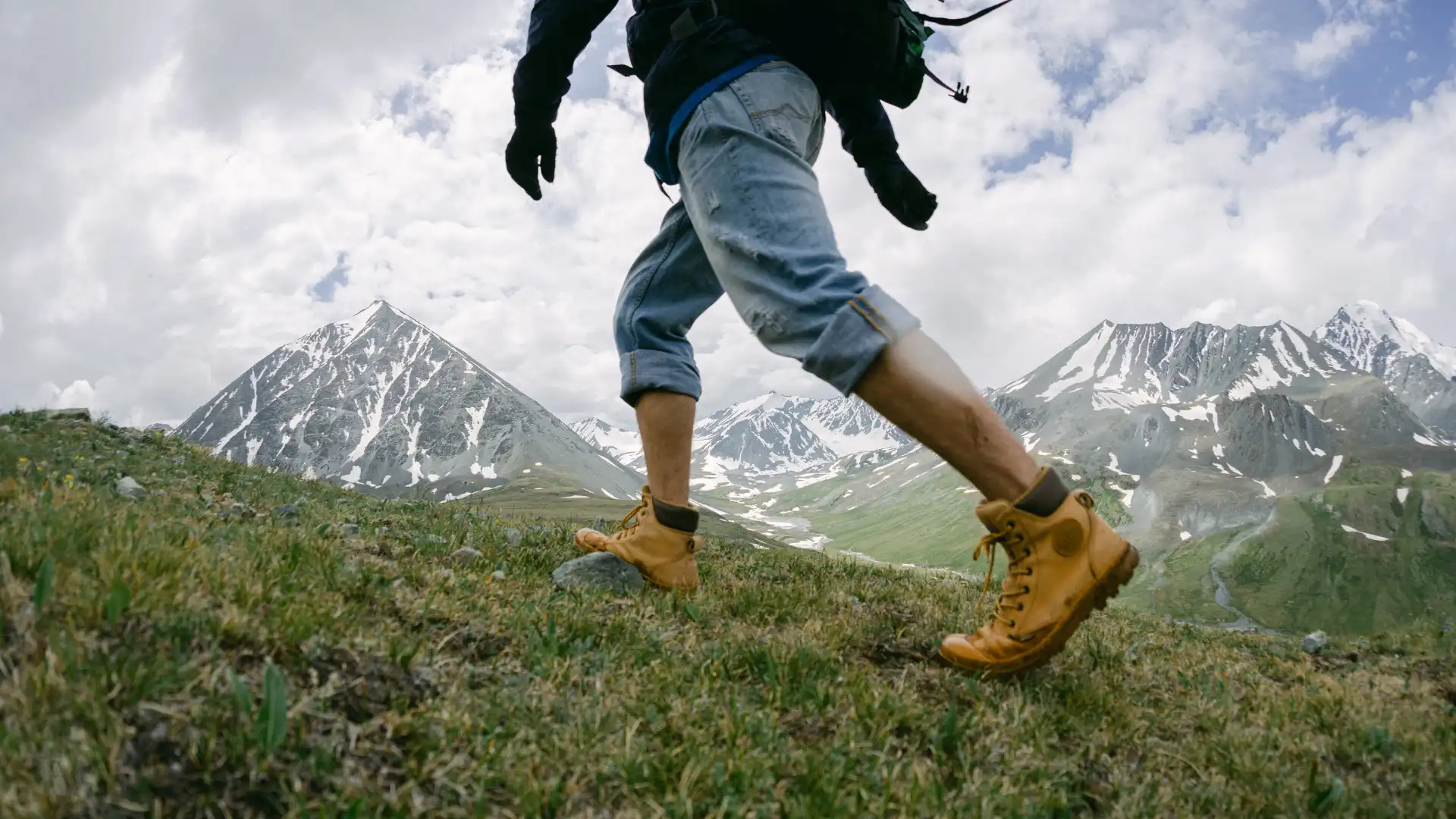

Cold toes can ruin a day faster than a dead car battery. Whether you’re commuting on icy mornings, logging winter miles on the trail, or standing still on the sidelines at a kids’ game, the wrong socks leave you damp, numb, and counting minutes. The right cold weather winter socks do the opposite: they trap heat without bulk, move sweat away before it chills you, and stay comfortable for hours. This guide breaks down how to choose the best winter socks based on materials, weight, fit, and features, so you can choose socks that keep you warm, dry, and happy all season. As you read, consider which situations you face most and plan a couple of purpose-built pairs to match.
What Are The Best Winter Socks?
- The best winter socks are typically Merino wool blends that provide insulation, moisture control, and odor resistance.
- Choose midweight socks for daily use, lightweight for active movement, and heavyweight for extreme cold.
- For most people, a midweight Merino crew sock offers the best balance of warmth, comfort, and breathability.
Why Your Feet Get Cold in Winter and How Winter Socks Fix It
Cold feet are usually a moisture and circulation problem, not just a temperature problem. When sweat or melting snow sits next to your skin, it evaporates and pulls heat away. Tight footwear can also limit blood flow, making your toes feel colder even in warm boots. Modern winter socks target these issues with three solutions:
- Insulation that traps warm air around your foot and lower leg.
- Moisture management that wicks sweat away from skin and spreads it to dry quickly.
- Strategic compression that supports without strangling circulation.
If your current “warm” socks are mostly cotton or feel clammy after an hour, upgrading materials is the fastest fix. Consider replacing any heavy cotton pairs first; many readers find a single pair of quality winter socks outperforms a drawer full of thick, sweat-holding cotton.
Best Materials for Winter Socks
Choosing the right material is the most important factor when selecting winter socks for cold weather in winter comfort.
- Merino wool: The gold standard for cold weather socks. Merino fibers are naturally crimped, creating millions of tiny air pockets that trap heat. They also pull moisture as vapor before you feel wet, stay warm even when damp, and resist odor, which is handy on multi-day trips or long work shifts. For all-purpose winter wear, look for blends with roughly 50–70% Merino plus durable synthetics.
- Traditional wool: Warm and robust, but often itchier and bulkier than fine Merino. Useful in heavy boot socks where cushion and warmth trump finesse.
- Synthetics (nylon, polyester, polyamide): Durable, quick-drying, and abrasion resistant. They don’t insulate quite like wool on their own but shine when blended with it. Many performance socks use synthetic backbones with Merino in skin-contact zones.
- Elastane/Spandex: A small percentage (1–5%) adds stretch and shape retention so socks don’t bag out or slide.
- Cotton: Comfortable for lounging at home, but a liability in cold, active conditions. Cotton absorbs and holds moisture, increasing evaporative heat loss. If you’ll be outdoors, skip it.
If your skin is sensitive, finer Merino feels softer. Blends that place Merino wool on the inside and synthetics on the outside can offer the best of both worlds, providing softness next to your skin and durability on the outside.
Sock Weight and Warmth: Pick the Right Thickness
“Warmest” doesn’t always mean “thickest.” Weight should match your activity level and footwear volume.
- Lightweight: Best for high-output activities where you generate heat. Also works as a liner under a heavier sock on frigid days. Consider trying a lightweight Merino blend if your feet run hot but still get clammy.
- Midweight: This is the ideal choice for everyday winter wear, including commuting, moderate hikes, and casual snow play. Enough insulation to keep you cozy without overfilling shoes and boots.
- Heavyweight: Maximum loft and cushioning for very cold temps, static activities, or roomy winter boots. If your feet often go numb below 20°F, this is where to start.
If you’re between weights, think about your boots. Overly thick socks can compress insulation in your boot liner and restrict blood flow, both of which reduce warmth. When in doubt, test midweight first; you can always layer a thin liner underneath on bitter days.
How to Choose the Right Sock Height: Crew vs Over-the-Calf
Coverage matters as much as thickness.
- Ankle/quarter: Minimal coverage; fine for winter running when paired with tights, but too short for snow or tall boots.
- Crew (mid-calf): The versatile default for winter. Protects ankles from drafts, works with most boots and everyday shoes, and offers room for targeted shin or Achilles padding.
- Over-the-calf (OTC): Ideal with ski, snowboard, mountaineering, or work boots. Extra coverage keeps lower legs warm, prevents cuff chafing, and helps socks stay put during long days.
Look for stay-up cuffs that are snug without biting, and a contoured shape that hugs your arch and heel. If your calves are athletic, consider models offered in multiple calf sizes or with higher stretch to avoid constriction.
Cushioning, Compression, and All-Day Comfort
Cushioning is not just about plushness; it also affects warmth and impact protection.
- Targeted cushion: Extra loft under heel and forefoot absorbs shocks and adds a little insulation where you need it most. Great for long hikes, hard floors, and job sites.
- Full cushion: A deeper, terry-loop interior throughout the sock provides maximum warmth and a soft, slipper-like feel. Perfect inside roomy winter boots or for all-day standing.
- Shin padding: A game-changer for ski and snowboard boots. It reduces pressure points and keeps you more comfortable on lift rides and long descents.
- Light/gradual compression: Helps manage fatigue and swelling on long days without cutting circulation. If your toes ever tingle or turn pale, the sock may be too tight. You should size up or choose a lighter compression profile.
Many readers discover that a medium-cushion, midweight Merino crew becomes their daily driver with warm, supportive, and not too bulky.
Moisture, Odor, and Blister Control
Dry feet are warm feet. Merino pulls moisture as vapor; synthetics spread it out to dry. Together they reduce that swampy, then-freezing cycle. To fight blisters, look for:
- Seamless or flat-knit toes to minimize rubbing in the toe box.
- A locked-in heel cup and arch band to prevent sliding.
- Ventilation zones on the instep to move sweat in high-output sports.
If you’re blister-prone or facing subzero windchill, try a thin liner sock under a midweight or heavyweight pair. The liner acts as a sacrificial layer that moves against the outer sock, not your skin. You might also dust a light foot powder before long days; this helps reduce friction and moisture. Consider testing liners on a short outing before committing to a long hike or ski day.
Features That Are Worth Paying For
- Reinforced heel and toe for longevity where socks wear out first.
- Mapped cushioning that places loft only where you want it, keeping bulk down elsewhere.
- Left/right anatomical shaping for a more precise fit.
- Full terry interiors for slipper-like warmth in deep winter.
- Odor control from natural Merino or antimicrobial treatments in synthetics.
- Smooth, durable cuffs that don’t roll or dig.
If you’re building a small, high-performing winter kit, prioritize fit and fabric first, then add features that suit your activity. Many readers choose one fully cushioned boot sock for the coldest days and one mapped-cushion crew for everything else.
Heated Socks and When to Consider Them
Battery-powered heated socks and insoles have improved dramatically. They can be a smart choice if you:
- Spend hours relatively still in frigid conditions (ice fishing, chairlift operators, stadium spectating).
- Have chronically cold toes even in good socks and boots.
- Need quick, controllable warmth during breaks.
Look for multiple heat settings, easy-access controls, and washable designs with removable batteries. Keep in mind they add cost, weight, and another item to charge. Many users also carry a backup traditional sock system in case batteries die mid-day. If you’re curious, consider renting or trying an entry-level pair before investing in premium models.
Choose by Scenario
Best Winter Socks for Daily commuting and office days
A midweight Merino crew with light to medium cushion handles morning chill, unpredictable office temps, and walks between buildings. It breathes well indoors yet stays warm outside. Consider trying a neutral color that pairs with dress shoes and boots so you can wear it everywhere.
Hiking and backpacking
Go for a Merino-blend crew with reinforced heel/toe and mapped cushioning under the forefoot and heel. In temps below freezing, add a thin liner to manage moisture on climbs. You might explore a slightly taller crew to protect ankles from brush and drafts.
Skiing and snowboarding
Choose an over-the-calf sock with shin padding and a snug, non-bunching fit. Aim for midweight warmth to maintain precise boot feel; add a liner only if your boot volume allows it. Many riders find that a well-fitted midweight OTC keeps feet warmer than an overstuffed heavyweight that restricts circulation.
Winter running
Opt for a lightweight to light-midweight Merino blend in quarter or crew height. Look for targeted compression and a flat toe seam. If you run through slush, consider a taller crew to protect your ankles and a quick-change plan: swap into dry socks immediately post-run to lock in warmth.
Work boots and job sites
Full-cushion, heavy or midweight boot socks shine here, especially with reinforced heels and toes and a stay-up cuff. If you stand on concrete or metal grating, extra underfoot cushion pays dividends. Consider keeping a spare dry pair in your bag to prevent chilled feet after a sweaty morning.
Around the house and sleep socks
A lofty, full-terry Merino-blend crew or OTC feels like a wearable throw blanket. Keep a dedicated “indoor-only” pair to extend their lifespan because grit from floors shortens the life of outdoor socks.
Kids and teens
Prioritize easy-on cuffs, durable reinforcements, and machine-washable blends with plenty of Merino. Taller crews or OTC styles keep snow out during sledding and ski lessons. Many families keep a labeled bin by the door with warm socks ready for last-minute winter play.
Sizing, Boot Volume, and Break-In
Warmth relies on air space. If a sock is crammed so tight your toes can’t wiggle, heat drops fast. Follow each brand’s size chart and err toward the larger size if you’re between. When possible, bring your winter socks to boot fittings; the combo matters more than either piece alone. Wash new socks once before wearing them for long periods, as this helps them settle into their final fit. If you notice pressure marks around your calf after an hour, try a different cuff style or a wider-calf option.
Care, Washing, and Durability
A little care goes a long way. Turn socks inside out, wash cold or warm on gentle, skip fabric softeners, and line-dry when possible. If you must machine-dry, use low heat to minimize shrinkage and preserve elastic. Rotate pairs to extend their lifespan and consider keeping a small repair kit. Darning a tiny hole in a wool sock can add another season or two of use. Think “cost per wear”: a durable Merino blend that lasts multiple winters often beats cheaper, short-lived options.
A Minimalist Winter Sock Kit
If you want to cover nearly every cold-weather scenario without overbuying, build a three-pair capsule:
- A midweight Merino crew with mapped cushion for daily wear and moderate hikes.
- A heavyweight, full-cushion over-the-calf boot sock for deep-cold days, static tasks, and tall boots.
- A lightweight Merino-blend performance sock (quarter or crew) for winter runs and as a liner under heavier socks in extreme cold.
Many readers find this small kit replaces a cluttered drawer of mediocre pairs. Start with the midweight crew, then add the other two as needs arise.
Common Mistakes to Avoid
- Choosing cotton for outdoor winter use, because it stays wet and steals warmth.
- Overstuffing boots with thick socks, reducing circulation and making feet colder.
- Ignoring sock height; short cuffs invite drafts and snow.
- Skipping rotation and care; worn-out elastics slide and bunch, creating blisters.
- Buying “one pair for everything” when two purpose-built options perform better.
How to Choose the Best Winter Socks for Your Needs
The best winter socks are not always the thickest. Choosing the right material, fit, and weight will keep your feet warmer than simply adding bulk. Prioritize Merino-rich blends for insulation, moisture control, and odor resistance; add durable synthetics for longevity. Match sock weight to your activity and boot volume. Choose light for high output, midweight for everyday use, and heavy for deep cold. Choose crew or OTC heights for coverage, and look for features like flat toe seams, mapped cushioning, reinforced heels/toes, and stay-up cuffs. Care for your socks with gentle washing and low heat. Build a simple kit with midweight crew socks, heavyweight over-the-calf socks, and a lightweight performance or liner sock, and you’ll handle nearly every winter scenario in comfort.