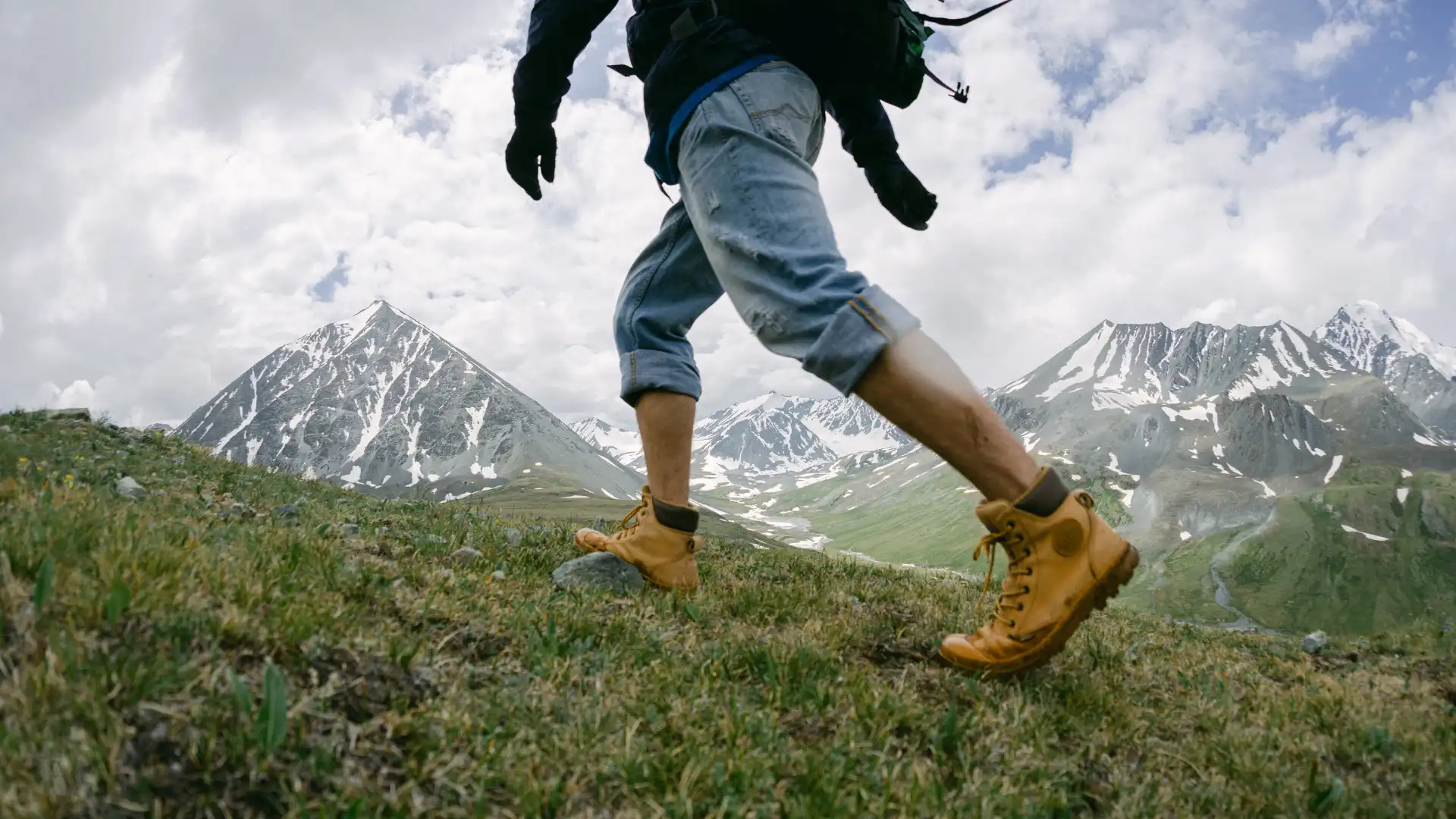

If your feet run hot, your socks keep sliding, or a visible cuff ruins an otherwise sharp outfit, you’re not alone. The right pair of socks quietly solves blisters, odor, and discomfort while making your shoes fit and feel better. This guide breaks down different sock styles by height fabric cushioning and intended activity. You can then shop with confidence and build a versatile sock drawer suited for work workouts and everyday weekend wear all year long.
Choosing well doesn’t mean buying more; it means matching sock to shoe, season, and plan. As you read, note one or two upgrades that would fix your biggest pain points, then consider trying those first for an immediate comfort boost.
Sock Heights Explained
Sock height influences style, coverage, and how your shoes feel, making it a key factor when choosing different types of socks. Start with the footwear you’ll wear most, then pick the lowest height that still protects your skin from rubbing.
No‑Show and Liner Socks
No‑show socks sit below the ankle bone and disappear inside low‑cut shoes like loafers, flats, and casual sneakers. Good pairs use a deep heel pocket and silicone grip to prevent slipping, plus breathable mesh over the instep. Liner socks are even lighter, often used as a thin moisture‑managing layer or for dress shoes. Half socks (toe covers) protect just the forefoot for backless mules or clogs.
Consider these when you love the “sockless” look but hate blisters or odor. If your no‑shows slip, try a higher‑cut variant designed for loafers or add-ons with a heel grip.
Ankle / Quarter Socks
Ankle socks skim the top of the shoe; quarter socks add a touch more height to guard the Achilles. They’re popular for running, training, and warm‑weather casual wear because they protect against heel rub without climbing the calf. Look for tabs that shield the heel from shoe collars and reinforced heels/toes if you’re hard on socks.
Crew and Mid‑Calf Socks
Crew socks land around mid‑calf and are the all‑purpose workhorse for everyday wear. Variants like micro‑crew or “boot” heights tweak the length a bit to sit just below or above the calf muscle. Crews pair with everything from sneakers to ankle boots and dress shoes. They’re long enough to stay put and short enough for easy ventilation.
If you battle sagging socks, look for a stay‑up cuff with a wider welt, graduated tension in the leg, or a touch more elastane.
Over‑the‑Calf / Knee‑High Socks
Over‑the‑calf socks reach just below the knee, covering the entire calf. They excel with tall boots, on cold days, and for dress wear when you never want skin to show between trouser and shoe. This height also forms the base for travel or light medical compression styles that promote circulation on long flights or days spent standing.
Thigh‑Highs, Leg Warmers, and Specialty Styles
Thigh‑high socks are more fashion‑forward or for added warmth, while leg warmers and boot cuffs add insulation without bulk in the shoe. Split‑toe (tabi) socks pair with certain sandals, and grip socks with silicone soles are practical for yoga, Pilates, or slippery floors at home.
If you consistently get hot spots or heel blisters, move up one height from what you currently wear, or choose a version with a protective tab. It’s a small change that often solves the problem.
Sock Materials: What They’re Made Of Matters
Fabric choice controls moisture, temperature, softness, and durability, making sock materials a critical factor when choosing the best socks.
Merino Wool
Merino is a year‑round MVP. Finer than traditional wool, it’s naturally breathable, moisture‑wicking, odor‑resistant, and temperature‑regulating. It stays comfortable across a wide range of conditions and continues to insulate when damp. In socks, merino is usually blended with nylon for durability and elastane for stretch.
Choose merino blends for hiking, all‑day travel, active commutes, and any time you want fresh‑feeling feet.
Cotton
Cotton feels soft and familiar, great for light everyday use. Pure cotton, however, holds moisture and can stay damp, which can lead to odor or blisters during activity. If you like cotton’s feel, look for combed or long‑staple cotton with synthetic reinforcements for better durability and faster drying.
Synthetics (Polyester, Nylon, Elastane)
Modern performance socks rely on synthetics to manage sweat, dry quickly, and resist abrasion. Polyester and nylon pull moisture away from skin; nylon also boosts durability in heels and toes. Elastane (spandex) adds stretch so socks recover their shape and stay up. You will also find cooling or thermal branded polyester fibers. These materials are engineered to match the temperature regulating performance of merino wool
Pick synthetic‑rich blends for high‑sweat workouts, quick‑dry travel needs, and when you want maximum resilience.
Bamboo Viscose and Modal
Bamboo viscose and modal feel silky and breathable, with a smooth hand and nice drape. They excel in no‑show and dress socks when you want softness and a fine profile. Because these are regenerated cellulose fibers, they’re typically blended with nylon or cotton for strength.
Silk and Cashmere
Luxury fibers like silk and cashmere are thin, soft, and warm, perfect for refined dress socks in cooler months. They demand gentle care and are best reserved for lower‑impact wear rather than daily pounding.
If sweaty or smelly feet are your top complaint, consider a merino‑rich or synthetic‑rich blend before changing shoes, as many readers find that fabric swap alone transforms comfort.
Sock Cushioning, Thickness, and Fit
Two socks can be the same height but feel completely different because of thickness and padding. Think in terms of weight and cushion placement.
Sock Weights
- Ultralight: Minimal bulk, maximum breathability. Best for hot weather, snug dress shoes, or runners who prefer a close, responsive feel.
- Lightweight: Versatile everyday thickness with more substance than ultralight but still breathable.
- Midweight: All‑season comfort and buffering; a favorite for hiking and long days on your feet.
- Heavyweight: Maximum warmth and padding for extreme cold, mountaineering, or “slipper‑like” comfort at home.
If your shoe already fits tight, stay ultralight or lightweight; if it feels roomy or rigid, consider midweight.
Cushion Profiles
- No Cushion: Smooth, low profile for dress shoes and hot days.
- Targeted/Contoured Cushion: Padding underfoot, heel, toe, or shin to protect high‑impact zones without overheating.
- Full Cushion: Terry loops throughout the fabric deliver extra warmth and plush comfort. These socks work perfectly with roomy boots and cold winter weather.
Construction Details That Matter
A well‑built sock doesn’t shout; it simply disappears on foot.
- Seamless or flat‑linked toe: Prevents rubbing at the toe box.
- Deep heel pocket with Y‑stitch: Locks the heel in place.
- Arch compression: Adds gentle support and reduces slippage.
- Ventilation zones: Mesh panels increase airflow.
- Reinforced heel/toe: Extends life where wear is highest.
- Stay‑up cuff: Graduated tension prevents sagging without constricting.
If socks bunch in the toe or slip into your shoe, look for “seamless toe,” “Y‑heel,” and “arch compression” on the label, as these are three quick clues you’re holding a better design.
Best Socks for Different Activities and Occasions
Match features to what your feet actually do. The right type of sock can make average shoes feel great and great shoes feel incredible.
Running and Training Socks
Prioritize breathability, quick‑dry fabrics, and a secure fit. No‑show or ankle heights with tabs protect the Achilles; crews help with trail debris and sun. Choose ultralight for speed days or lightweight/midweight with targeted cushion for longer miles. Heel grips and locked‑in arches prevent blisters during lateral moves.
Consider trying a two‑pair rotation to fine‑tune comfort across workouts.
Hiking and Outdoor Socks
Merino‑rich midweights shine here. Look for targeted underfoot cushion, reinforced heels/toes, and a stay‑up leg in crew or over‑the‑calf heights to guard against grit. In summer, drop to lightweight crews; in shoulder seasons or with stiff boots, move to cushioned midweights. For winter, full‑cushion over‑the‑calf adds warmth without pressure points.
Work, Tactical, and Long Days on Your Feet
Durability and support come first. Mid‑calf or over‑the‑calf socks avoid boot bite and stay put. Seek reinforced soles, targeted shin or toe padding, and moisture‑managing blends. If your shifts are marathon‑long, light graduated compression can reduce swelling and end‑of‑day fatigue.
Everyday and Casual Wear
For commutes and around‑town days, lightweight crew socks balance polish and comfort. Cotton‑blend or merino‑blend crews in neutral colors pair with most outfits. If you prefer the sockless look with loafers or slip‑ons, high‑cut no‑shows designed specifically for that shoe shape will keep your heel secure and your look clean.
Office and Dress Socks
Aim for thin, smooth, and stay‑up. Over‑the‑calf dress socks guarantee no skin shows when seated; crews work if your trousers are longer. Fine merino, bamboo viscose, silk blends, or combed cotton feel great and slip easily into tighter dress shoes. Dark neutrals are timeless; subtle patterns add personality without shouting.
Ski, Snowboard, and Cold‑Weather Sports
Over‑the‑calf socks with targeted shin and calf padding are standard. Choose lightweight or midweight depending on your boot fit; too much bulk can restrict circulation and make feet colder. Merino blends manage sweat on lifts and warmth on descents.
Travel, Pregnancy, and Recovery
Graduated compression socks (light to moderate) can help reduce swelling on flights or during long periods of sitting or standing. Prioritize accurate sizing and a soft, breathable fabric. If you’re new to compression, start with light levels and see how you feel.
Studio, Yoga, and At‑Home Lounging
Grip socks with silicone traction keep you stable on smooth floors. For lounging, heavyweight slipper socks with grippy soles deliver warmth without shoes.
Think of socks as “gear for your feet.” If you’ve invested in activity‑specific shoes, match them with socks built for the same task to unlock the full comfort and performance you paid for.
How to Match Socks with Shoes: Simple Rules That Work
- No‑show socks for low‑cut loafers, flats, and boat shoes when you want a bare‑ankle look without blisters.
- Ankle/quarter socks for running shoes and trainers to shield the heel without trapping heat.
- Crew/mid‑calf socks for sneakers, casual boots, and most day‑to‑day wear: the default height that just works.
- Over‑the‑calf socks for tall boots, cold weather, or dress trousers when you never want calf skin to show.
- If socks and shoes fight for space, lower the sock weight; if shoes feel loose or rigid, add cushion.
Sock Sizing, Care Tips, and Longevity
Socks should hug the foot without strangling the calf. If you’re between sizes, consider foot length, width, and calf circumference, especially for over‑the‑calf styles. A heel cup sitting well above your heel means the sock is too big; fabric stretched thin at the toes means too small.
For care, turn socks inside out, wash cold, and tumble dry low or line dry to protect elastic and fibers. Avoid fabric softeners; they can reduce moisture‑wicking performance. Rotate pairs and keep a few “purpose‑built” socks so everyday wear doesn’t destroy your specialty gear.
If holes consistently appear at the big toe, check shoe fit and nail length; if they show at the ball of the foot, consider a bit more cushion. Repeated sagging is a sign to upgrade construction or adjust size.
If your favorite socks keep wearing out in the same spot skip simple repurchases. Pick a reinforced style or a blend with extra nylon in those high wear areas to extend overall durability.
Build a Smart Sock Drawer
You don’t need dozens of styles; you need the right ones. A balanced, space‑saving capsule might include:
- Two pairs of high‑cut no‑show socks for loafers and low‑tops.
- Four pairs of lightweight crew socks for daily wear and the office.
- Keep two pairs of ankle or quarter length training socks on hand one ultralight style and one cushioned option.
- Two pairs of merino midweight crew or over‑the‑calf hiking/outdoor socks.
- One pair of over‑the‑calf dress socks in a dark neutral.
- Optional: one pair of light compression socks for travel days, plus one grippy pair for home or studio.
Use this as a template; adjust counts to your laundry rhythm and climate.
Summary: Choosing the Right Type of Sock
Start with shoe and setting, then pick the lowest sock height that still protects skin from rub. Choose fabric based on your moisture and temperature needs. Pick merino wool or performance synthetics for sweaty long days and go with cotton blends for simple everyday wear. Match weight and cushion to shoe volume and activity; go ultralight for snug fits and speed, midweight or targeted cushion for distance and boots. Prioritize construction details like a seamless toe, reinforced heel/toe, and a stay‑up cuff for all‑day comfort. Build a small capsule around your life, and rotate pairs to make them last.
Small changes underfoot make a big difference. Identify your single biggest sock frustration, such as slipping no-shows, sweaty workouts, or sagging crews, and upgrade just that category this week. Many readers find that one thoughtful swap makes every step afterward more comfortable, fresher, and easier. Your feet will notice the difference the moment you lace up.
FAQ : How to Choosing the Right Type of Sock
What type of socks prevent blisters?
Socks with arch compression, seamless toes, and moisture-wicking materials like merino wool or synthetics help prevent blisters.
Are cotton socks good for sweaty feet?
Cotton feels soft but holds moisture. For sweaty feet, merino wool or synthetic blends perform better.
What socks should I wear with dress shoes?
Thin, smooth socks like merino, bamboo, or silk blends work best for dress shoes.
What is the best sock height for everyday wear?
Crew socks are the most versatile option for daily use.