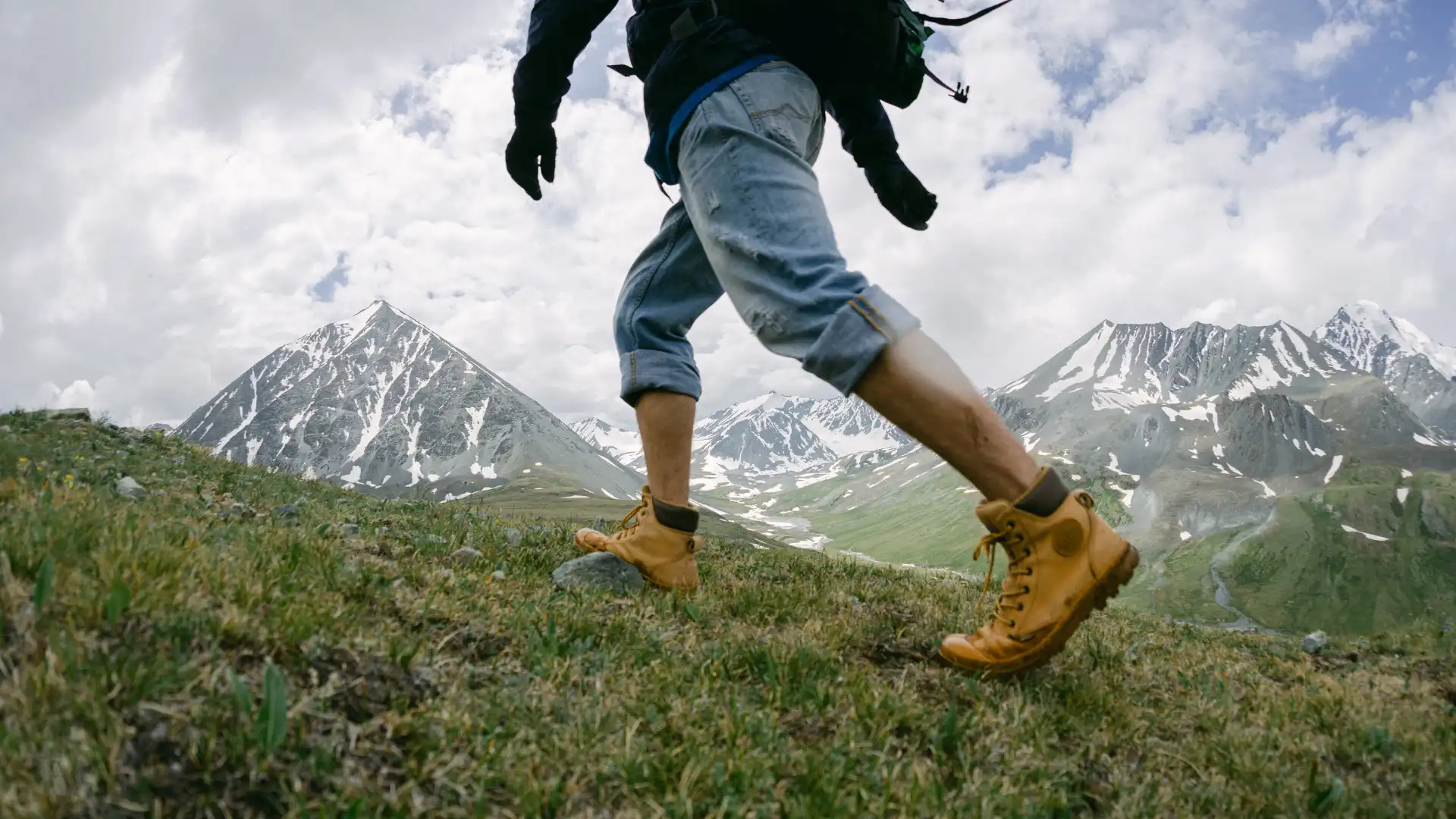

If your toes keep bursting through, heels thin out by month three, or “favorite” pairs turn into dust rags, you don’t need more socks rather than you need the right socks. This guide shows exactly what makes socks last, how to read product pages like an expert, and which constructions hold up for hiking, running, work boots, and daily wear. By the end, you’ll know what to buy, how to care for it, and how to stop wasting money on short‑lived multipacks.
Consider this your quick win: audit your drawer, retire the repeat offenders, and use the simple checks below to replace them with pairs that actually survive real life.
What Makes the Most Durable Socks Last Longer?
Durability is not just “no holes.” A durable sock resists abrasion at the heel, toe, and underfoot; keeps its shape after dozens of wash cycles; maintains cushion and elasticity; manages moisture to reduce friction; and stays comfortable so you actually keep wearing it. Lab tests are helpful, but the real proof is how fabric, fit, and footwear interact mile after mile. Durable socks are built for friction, not merely for looking thick on day one.
Sock Durability Formula: Fiber, Yarn, Knit, Reinforcement, Fit and Care
Think of long‑lasting socks as a system. If one link is weak, the pair fails early. Here’s how to evaluate each link and what to prioritize.
Fibers that last
- Merino wool: Soft, thermoregulating, and surprisingly tough. Each fiber has crimp and elasticity that rebounds after compression, so cushioning doesn’t flatten as quickly. Merino also manages moisture, reducing the wet friction that chews through fabric. For most “do‑everything” durability, merino blended with nylon is a standout.
- Nylon: The abrasion engine. High‑tenacity nylon dramatically improves wear resistance. For longevity, look for 20–45% nylon in the blend, often “plated” to the outside to take the scuffs while softer yarns sit against skin.
- Polyester: Fast‑drying and resilient, good for hot‑weather training and frequent washing. It can’t match nylon’s abrasion resistance at the same weight, and it’s more odor‑prone than merino, but it holds shape well.
- Elastane/spandex: The tiny percentage (2–6%) that makes a big difference in fit. Enough stretch prevents slippage and hotspot‑causing folds. Too much spandex, or repeated high‑heat drying, can shorten life.
- Cotton: Comfortable and inexpensive, but it absorbs and holds moisture, weakening fibers under friction. Cotton‑rich socks can be fine for low‑sweat office hours; for hiking, running, or work boots, prioritize blends led by merino, nylon, or polyester.
- Specialty fibers: Great for wicking or softness, but not inherently abrasion‑proof. They work best as supporting players, not as the sole durability strategy.
If your socks die fast at the toe or heel, increase the blend’s nylon content before you increase thickness.
Yarn engineering matters more than you think
- Filament vs. staple: Continuous‑filament nylon on the sock’s exterior is slicker and more abrasion‑resistant than fuzzy staple yarns.
- Twist and ply: Two‑ply, high‑twist yarns pill less and resist abrasion better than low‑twist singles. You’ll rarely see twist specs online, but phrases like “high‑twist” or “ring‑spun/corespun” are green lights.
- Corespun/plated: Durable fibers wrapped around or knit alongside merino keep strength on the outside and comfort next to skin. When product pages mention “plated construction,” that’s what they mean.
Fine-Gauge and High-Density Knit Socks: Why They Last
More stitches per inch equals a tighter, tougher fabric. Fine‑gauge machines (with higher needle counts) create dense knits that resist snagging and slow down wear. Look for language like “fine‑gauge,” “high‑density knit,” or “performance fit.” A dense, thin sock can outlast a thicker, loosely knit one don’t equate thickness with strength.
Reinforced Heel and Toe Socks: Where Durability Matters Most
Heel, toe, and underfoot are the high‑risk zones. Long‑lasting socks add:
- Targeted terry loops underfoot to increase material in impact areas without bulk elsewhere.
- Plated nylon at heel and toe to take the brunt of abrasion.
- A deep, “Y” or “reciprocated” heel pocket that locks in place.
- A flat, hand‑linked toe seam to eliminate a raised ridge that saws at fabric and skin.
If a product page doesn’t mention heel/toe reinforcement, expect faster blowouts.
How Sock Fit Prevents Holes, Slipping, and Friction
Most holes are friction problems disguised as fabric problems. If a sock slides, bunches, or gets stretched paper‑thin, it fails faster. Durable pairs hug the arch, grip the heel, and match your shoe volume. Crew or boot heights also protect your Achilles from collar rub. Consider downsizing if your socks wrinkle in the arch; consider upsizing if you see overstretched, translucent fabric over your toes.
If your current socks wear through the Achilles, try a taller height and a model with Achilles reinforcement before you blame the fabric.
Most Durable Socks by Activity: Work, Hiking, Running and Daily Wear
Durability is contextual. The toughest running sock is different from the toughest work‑boot sock. Match build to job for the longest life.
Everyday and office wear
Aim for a merino‑nylon blend with light cushion and a fine‑gauge knit. You’ll get durability without bulk, year‑round comfort, and better odor control than cotton. Crew height stays put and shields your heel from shoe collars.
Consider trying: a 55–70% merino, 25–40% nylon, 2–5% elastane recipe with a flat toe seam.
Work boots, warehouse floors, and daily pounding
You need dense underfoot terry, plated nylon at heel/toe, and a boot or mid‑calf height to protect against leather and laces; readers focused on long shifts can also review Cozocks’ best socks for being on your feet all day guide. A slightly higher nylon percentage improves scuff resistance against concrete and steel‑toe caps.
You might explore: 40–55% merino or polyester for moisture control, 40–50% nylon for abrasion, 2–6% elastane; full or targeted cushion underfoot; reinforced shin if your laces create pressure.
Hiking and backpacking
Sweat, grit, and long miles demand merino‑led blends and targeted cushion. Focus on a snug midfoot wrap, deep heel pocket, and a crew height to buffer the Achilles from boot cuffs. Airflow zones on the instep help manage moisture, which in turn reduces fabric wear.
Many hikers choose: 60–70% merino, 25–35% nylon, 2–5% elastane; fine‑gauge knit; targeted cushion at heel/toe/footbed; flat toe seam.
Running and training
Look for lightweight but dense knits with plated nylon at toe/heel, a snug arch band, and a heel tab to reduce collar rub; Cozocks Men’s Short Breathable Athletic Ankle Socks, moisture-wicking ankle socks for sports and daily wear. If odor is your nemesis, add some merino; if you’re in constant heat, a nylon/polyester blend can dry fastest.
Consider trying: 40–60% nylon or polyester, 30–50% merino, 3–6% elastane; light cushion; hand‑linked toe; non‑slip cuff.
Ski and snowboard
Tall socks with shin reinforcement and targeted cushion underfoot last longer in stiff boots. A merino‑nylon blend manages sweat during high‑output laps and reduces rubbing inside plastic cuffs.
30-Second Durable Sock Buying Checklist
When you’re shopping online or in‑store, use this mini checklist:
- Fiber blend: For hard use, avoid cotton‑dominant mixes. Favor merino/nylon or nylon/poly blends with 2–6% elastane.
- Construction language: Green lights include “fine‑gauge,” “high‑density knit,” “plated yarns,” “corespun,” “reinforced heel/toe,” “hand‑linked toe.”
- Cushion location: “Targeted” or “underfoot” cushion beats blanket bulk; look for diagrams of zones.
- Fit features: “Deep heel pocket,” “arch support band,” “performance fit” reduce friction.
- Warranty policy: A generous warranty signals the maker’s confidence and gives you real‑world backup.
- Height match: Crew/boot for boots; ankle/no‑show for trainers; taller for ski/snow.
If two options look similar, pick the one with a higher nylon percentage and a flatter toe seam.
How to Test Sock Durability at Home
Even without lab gear, you can spot quality in seconds.
- Stretch‑and‑return: Pull the cuff wide, release, and see if it snaps back. Sluggish recovery predicts sagging and more friction in use.
- Light test: Hold fabric to a lamp. Ultra‑sheer zones over heel/toe suggest early wear. Dense doesn’t mean thick; it means fewer visible gaps.
- Seam feel: Run a fingertip over the toe seam. The flatter it feels, the less sawing on fabric and skin.
- Inside‑out check: Flip the sock. Underfoot, you want dense terry loops; at heel/toe, you want visibly tougher yarns.
- Moisture drill: Sprinkle water, squeeze in a towel, and time the dry. Faster drying reduces wet‑friction damage during long days.
Try these on one pair first. If it passes, buy multiples and rotate them to spread wear.
How to Make Socks Last Longer
- Wash inside‑out in cold water to clear grit from the loops.
- Skip fabric softener; it coats fibers and crushes rebound.
- Tumble low or air‑dry; high heat fatigues elastane and can felt wool.
- Rotate pairs and avoid wearing socks as slippers on rough floors.
- Trim toenails and address rough insoles hardware problems destroy even perfect fabric.
- Use a mesh laundry bag to protect socks from zippers and hooks.
Adopt this routine with a quality pair and you’ll feel the difference in month six, not just week six.
Cost Per Wear and Sustainability
A bargain 12‑pack that blows out quarterly costs more per wear than a premium pair that lasts years. Durable socks reduce landfill waste, shipping emissions from constant reorders, and the time you spend replacing them. If a brand offers a strong repair or replacement policy, that’s an added hedge against wear‑out risk. Don’t miss the long-term savings financial and environmental of shopping for durability first.
Durable Sock Myths: Does Thicker Mean Tougher?
- “Thicker means tougher.” Not necessarily. Dense, fine‑gauge knits often outlast bulky, loose ones of the same weight.
- “All wool shrinks and itches.” Quality merino is soft and machine‑washable when cared for properly; itch usually signals coarser wool or poor finishing.
- “Compression shortens life.” Reasonable compression stabilizes the sock and reduces friction. Overdrying is what really kills elastane.
- “Men’s vs. women’s labels change durability.” Labels guide sizing and height; the build quality should be identical. Choose what fits best.
Durable Sock Build Recipes by Use Case
Use these as search filters or to compare product pages without brand names required.
- Everyday hardwearing crew: 55–65% merino, 30–40% nylon, 2–5% elastane; fine‑gauge; light cushion; reinforced heel/toe; flat toe seam.
- Work boot protector: 40–55% merino or polyester, 40–50% nylon, 2–6% elastane; dense underfoot terry; plated nylon at heel/toe; boot height; optional shin padding.
- Trail miles specialist: 60–70% merino, 25–35% nylon, 2–5% elastane; crew height; targeted cushion; mesh instep; deep heel pocket.
- Speed day runner: 40–60% nylon or polyester, 30–50% merino optional, 3–6% elastane; light cushion; heel tab; anti‑slip cuff; hand‑linked toe.
If a product description hits most of the notes above, you’re staring at a long‑lasting pair.
Final Takeaway: How to Choose Long-Lasting Socks
The most durable socks combine the right fibers, strong yarn engineering, dense fine‑gauge knitting, targeted reinforcements at heel/toe/underfoot, and a stay‑put fit that prevents friction. Match the build to your activity work boots and backpacking need more nylon and cushion than office days then extend life by washing inside-out, skipping softener, drying low, and rotating pairs. Use the 30‑second label check and home tests to predict longevity before you buy, and you’ll spend less, waste less, and stop dealing with toe blowouts.