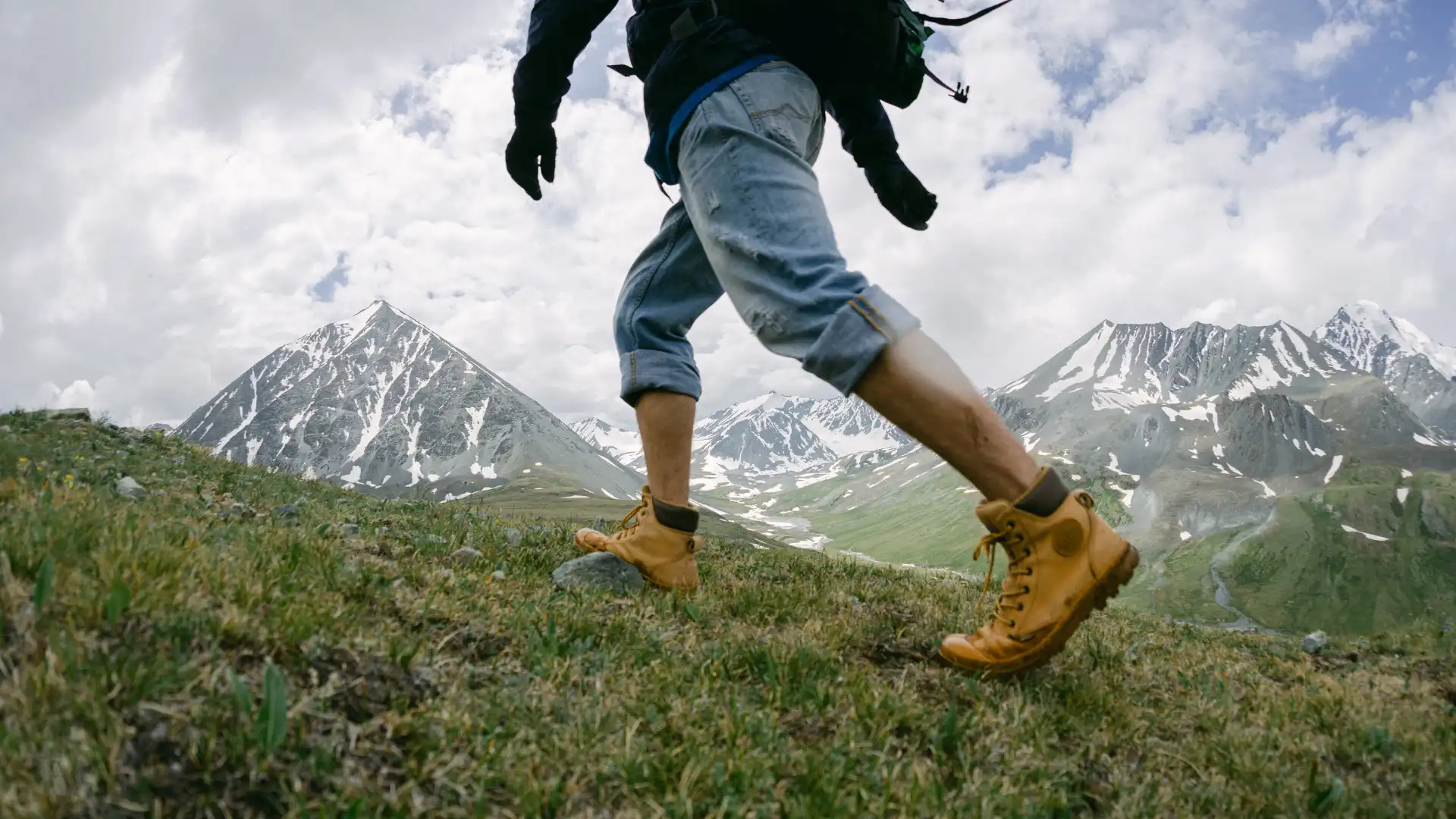

If your shift ends before your feet do, your socks are probably letting you down. Hot spots, sweaty arches, aching heels, and end-of-day swelling are not just part of the job. They are often the result of the wrong fabric, the wrong fit, or the wrong cushioning.The right pair of socks can make your shoes feel better, keep your skin dry, and help you finish strong with less soreness. This guide breaks down exactly what to look for so you can buy with confidence and feel the difference on your very next long day.
What “all‑day comfort” really means
When you’re on your feet for hours, whether teaching, nursing, stocking shelves, working a register, prepping food, or walking a warehouse, comfort comes from five things working together:
- Moisture control to prevent blisters and odor
- Friction control via smooth seams and stable fit
- Targeted cushioning to soften concrete and long miles
- Temperature regulation so feet don’t overheat or chill
- Gentle support for circulation and muscle fatigue
Get these right, and you’ll notice fewer hot spots, less end‑of‑day puffiness, and more energy left after clock‑out. Many readers find that upgrading socks, not just shoes, provides the most immediate relief, so don’t overlook the easy win of improving your sock drawer.
Materials that matter: merino, synthetics, and cotton
Your fabric choice has the biggest impact on dryness and odor, which are two of the main culprits behind discomfort.
- Merino wool blends: The MVP for long hours. Fine merino fibers wick moisture, regulate temperature, and naturally resist odor. Modern merino socks aren’t itchy; they’re soft, breathable, and comfortable across seasons. If you’re unsure where to start, consider a merino-blend crew with light to medium cushioning, and you’ll likely notice an instant upgrade in dryness and freshness.
- Synthetic performance blends: Durable, fast‑drying, and often very supportive. These are great if you sweat heavily or wash frequently. Look for mesh ventilation zones over the instep and a snug, anatomically shaped fit to limit bunching. You might explore these if you prefer a crisp, athletic feel.
- Cotton: Cotton feels soft but holds onto moisture. For long shifts, all‑cotton socks can stay damp, increasing blister risk. If you love the feel, choose cotton blended with synthetics or merino, and look for ventilation panels and quick‑dry features.
Cushioning and thickness: find your sweet spot
More padding isn’t always better. The right level complements your shoes and surface.
- Light cushioning: Best for snug‑fitting shoes, hot kitchens, and quick‑dry needs. Feels airy and reduces bulk that can cause toe crowding.
- Medium cushioning: The all‑rounder for mixed surfaces, long corridors, and clinic floors. Soft under the heel and forefoot without overheating.
- Max cushioning: Helpful on unforgiving concrete or when you’re logging big miles on hard floors. It provides excellent shock absorption; just make sure your shoes have enough room.
If your shoes feel tight by mid‑day, move to a thinner sock before blaming the footwear. Conversely, if your heels pound on concrete, a slightly thicker, targeted‑cushion sock can make your shoes feel brand new.
Construction details that prevent pain
Small design choices have big downstream effects on comfort and durability.
- Flat or seamless toe: Reduces rubbing at the nail edge and prevents that “line of fire” across the toes.
- Deep heel pocket: Keeps the sock anchored, so fabric doesn’t migrate under the heel.
- Arch band or mild compression zones: Hugs the midfoot, cuts slippage, and can lessen fatigue on long days.
- Ventilation panels: Knit‑in mesh across the top boosts airflow and speeds drying.
- Stay‑up cuff: A broader, soft cuff keeps a crew sock from digging or sliding.
- Right/left shaping: More common in performance socks to reduce bunching in the toe box.
When shopping online, scan photos for these features. In stores, run a finger across the toe seam; it should feel nearly flat. If you have sensitive toes or prominent nails, this detail alone can be a game‑changer.
when to use compression socks for standing all day
Light to moderate compression can reduce end‑of‑day swelling and leg heaviness by encouraging upward blood flow. Consider compression if your calves or ankles puff up after long shifts, or your legs feel “heavy” by evening.
- Everyday support: 8–15 mmHg is a gentle option for sensitive users.
- Workday sweet spot: 15–20 mmHg suits most people on their feet all day.
- Higher levels (20–30 mmHg): Typically reserved for medical needs; consult a clinician first.
Fit matters more than anything with compression: measure the widest part of your calf and your ankle, choose the correct size range, and put them on first thing in the morning for easier donning. If cuffs leave sharp indentations or feel numbingly tight, size or compression level is off.
If you have diabetes, peripheral artery disease, skin lesions, or a history of clots, talk to your healthcare provider before using higher‑pressure compression.
Sock height and shoe match
Height isn’t just about style; it’s about protection and stability.
- No‑show and ankle: Great for low‑cut sneakers and hot environments. Look for heel tabs to prevent collar rub.
- Quarter: A touch taller to guard the Achilles; perfect if your shoes nip the back of your heel.
- Crew: The workhorse height for clogs, sneakers, and mid‑cut boots; adds shin and ankle protection and pairs well with light compression.
- Knee‑high: Ideal for boots and for those opting for graduated compression up the calf.
If you wear boots, choose a crew or knee‑high with a wide, soft cuff that won’t saw into the calf as you bend and climb.
Scenario playbook: dial in your best sock for long days
Every job and foot is different. Use these targeted setups as a starting point.
- Hospital or clinic shifts: A merino‑blend crew with light to medium cushioning, flat toe seam, and breathable mesh over the instep. Add 15–20 mmHg compression if swelling or leg fatigue is common.
- Food service and hot kitchens: A thin, quick‑dry synthetic or merino‑blend ankle/quarter sock with robust ventilation and a heel tab. Avoid heavy cotton in heat.
- Retail on concrete floors: Medium cushion under heel and forefoot, supportive arch band, and a crew height to protect against shoe collars. Consider rotating two pairs during double shifts, and your feet will thank you by afternoon.
- Warehouse, delivery, and construction: Crew or knee‑high with durable yarns, reinforced heel/toe, and targeted shin protection. Keep cushioning moderate to prevent heat build‑up inside boots.
- Teaching and office‑on‑your‑feet: Medium‑cushion crew with a soft cuff; choose merino for odor control in closed shoes.
- Travel days and trade shows: Lightweight to medium‑cushion crew with 15–20 mmHg compression to minimize swelling during flights and long walks.
- Sweaty feet: Merino or treated synthetics with open‑mesh panels and minimal cotton content. Carry a spare pair; changing them at lunch can prevent blisters and odor.
- Wide calves or sensitive skin: Look for “wide‑cuff” or “relaxed top” crews that stay up without pinching.
- Blister‑prone: Prioritize a truly flat toe seam, snug midfoot wrap, and fabrics that stay dry. For extra insurance on long days, apply a dab of anti‑chafe balm to hotspots before socks go on.
Consider trying one pair designed for your toughest environment first, such as concrete floors or heat, then build out your rotation once you feel the difference.
How to size and test for an all‑day fit
Socks aren’t one‑size‑fits‑all. Nail your sizing to prevent slippage and toe pressure.
- Start with your shoe size, but check brand size charts because some run long or short. If you’re between sizes, choose the smaller for a performance wrap, the larger for roomier toes.
- Measure calf circumference for crews and knee‑highs, especially with compression.
- At home, do a 60‑second fit test: put socks on, lace your work shoes, and take 20 brisk steps, a few squats, and a stair or step‑up if you can. You shouldn’t feel the toe seam, the heel shouldn’t slip, and the arch should feel hugged but not squeezed. If fabric bunches under the toes, size down or choose a right/left‑specific design.
If you regularly lose toenails or feel pressure at the tips, try a thinner sock or one with a roomier toe box knit and make sure your shoe length is truly correct.
Care and rotation: make comfort last
Good socks can outlive cheaper pairs by months or years if you care for them right.
- Wash inside‑out in cold water to clear salt and skin oils from the knit.
- Skip fabric softener; it can coat fibers and reduce wicking.
- Tumble dry low or hang dry to preserve elasticity and fit.
- Rotate pairs. Many people feel best with 5–7 “work socks” in steady rotation; if your shifts are long or sweaty, add a mid‑day change.
- Replace them when the heels thin, elastic loosens, or cushioning flattens, because waiting too long will bring back the very problems you solved.
You might explore building a small “capsule” collection: two lightweight pairs for hot days, two medium‑cushion crews for most shifts, and one compression knee‑high for travel or swelling‑prone stretches.
Common mistakes to avoid
- Choosing all‑cotton socks for long, sweaty shifts, then battling blisters by afternoon
- Over‑padding and making shoes feel tight which creates new pressure points
- Ignoring cuff comfort; pinchy crews can distract you all day
- Skipping ventilation in hot environments
- Wearing compression that’s too strong or poorly sized
- Keeping worn‑out pairs “just in case”
Avoid these and you’ll protect the investment you’ve made in good shoes while unlocking another level of comfort.
A quick buying checklist
When you scan product pages, look for:
- Merino or performance synthetic blend with moisture‑wicking and odor control
- Flat toe seam, deep heel pocket, and a supportive arch band
- Cushioning level matched to your surface and shoe volume
- Mesh ventilation over the instep
- Crew or knee‑high height for boots; ankle/quarter for low‑cut shoes
- Clear sizing by shoe size and calf measurement for compression
If a product description does not clearly state these features, keep browsing. Plenty of options do, and your feet deserve them.
Conclusion
For most people on their feet all day, a merino‑blend or performance‑synthetic crew sock with a flat toe seam, breathable mesh, and light‑to‑medium targeted cushioning delivers the best mix of dryness, blister prevention, and fatigue relief. Add 15–20 mmHg compression if you battle swelling, match sock thickness to your shoe volume and floor hardness, and care for your pairs by washing inside‑out and skipping softeners. Start with one or two upgraded pairs tuned to your toughest conditions, feel the difference, then round out a weekly rotation that keeps every shift comfortable.
Your shoes can only do so much; socks finish the job. Choose one pair today that matches your environment and pain points, wear them on your longest day, and notice what changes. Many readers never go back after that first “wow, my feet feel better” shift. Consider trying a light‑compression work sock next. You might end your day ready for one more block, not a foot rub and a sigh.