
If you’ve ever finished a workout with hot spots on your heels, shivered through a cool morning walk, or wondered why your sleek sneakers suddenly look clunky, the culprit might be your sock height. Choosing between ankle socks vs crew socks isn’t just a style decision; it affects comfort, performance, breathability, and how your shoes feel all day.. It shapes comfort, performance, and how well your footwear actually works. The good news: once you understand what each height does well, you can build a small, smart rotation that covers nearly every scenario without overstuffing your drawer.
Ankle Socks vs Crew Socks: What’s the Difference?
Ankle socks rise just above the ankle bone and sit a touch higher than the collar of most low-cut shoes. That low profile keeps fabric off your lower leg and out of sight. Look for heel tabs on ankle cuts; they protect the back of your Achilles from shoe collars and help stop slippage.
Crew socks climb to mid-calf typically about six to eight inches above the heel which means more coverage, a snug wrap around the lower leg, and room for added structure like ribbing, arch bands, and light compression. That extra real estate is why crews feel more substantial in boots and high-tops and why they excel when the environment is rougher or cooler.
Think of it this way: ankle is about minimalism and airflow; crew is about coverage and control.
Warm Weather vs Cold Weather: When to Wear Ankle or Crew Socks
Temperature control starts with coverage. More fabric holds more warmth; less fabric lets heat escape.
- In warm to hot conditions, breathable socks for summer and low-profile ankle cuts shine. With less material on your legs, sweat evaporates faster, and your body can cool itself more efficiently. Runners, gym-goers, and anyone clocking steps indoors tend to prefer this airy feel because it reduces that “steam bath” sensation around the ankles.
- In cool to cold conditions, crew socks create a buffer against wind and chill. The fabric on your shins and around the ankle traps a thin layer of warm air. If you’re out before sunrise, commuting in winter, or training outdoors when the temperature dips, crews make a noticeable difference, even with low-cut shoes.
If your climate swings, consider a simple rule: ankle for summer and indoor training; crew for shoulder seasons and anything outdoors below about 60°F. You won’t miss the warmth when you need it, and you won’t overheat when you don’t.
Protection, Support, and Performance: Which Sock Height Works Better?
Coverage isn’t just about temperature it’s also armor and stability.
Crew socks resist grit, brush, and boot friction. On trails or city walks, they keep pebbles, sand, and debris from sneaking into your shoes and reduce rubbing at the collar and tongue. The ribbed shaft on many crews helps the sock stay put during lateral moves, and light compression can reduce muscle vibration during high-impact landings. Court sports, hiking, yard work, and any boot day usually feel better in crew socks for sports because the taller cuff adds coverage and reduces collar friction.
Ankle socks emphasize mobility. With less material around the ankle, you can move freely through sprints, box jumps, and agility drills. Fewer contact points mean fewer chances for pressure ridges that can irritate skin during repetitive motion. If you gravitate toward minimalist shoes or you prefer an unrestrictive feel, ankle height complements that preference.
Ignoring these differences can lead to blisters, collar bites, or needless fatigue. Match the height to the demands of the day, and your feet will quietly do their job.
Crew Socks vs Ankle Socks for Style and Everyday Outfits
Socks are part of the outfit, whether you want them to be or not.
Crew socks are intentionally visible. They frame the ankle, add color or texture, and can balance chunkier footwear like high-tops, work boots, trail shoes, and clogs. If you like the “athletic retro” look, crews make it effortless. They also function as a subtle leg warmer in chilly offices and on crisp mornings.
Ankle socks nearly disappear, spotlighting your shoes and keeping lines clean. They’re ideal with low-cut sneakers, loafers, and casual dress shoes when you want a tidy, minimalist silhouette. Many style-focused readers rotate both heights: ankle for streamlined outfits; crew when the sock is an intentional design element.
Not sure which look you prefer? Wear your go-to shoes with shorts or cropped pants in front of a mirror. Swap from ankle to crew. Notice how your proportions change. Choose the height that makes the shoe and outfit feel cohesive, not competing.
Best Socks by Activity: Running, Hiking, Gym, Work, and Travel
Running and treadmill sessions: Ankle socks keep you cooler and reduce bulk. Look for a snug heel cup, a modest heel tab, and smooth toe seams to limit friction. If you run early on cold mornings, switch to a thin crew for warmth without changing shoes.
Gym training and classes: For HIIT, agility, and lifting, ankle socks allow free ankle movement. If rope climbs, box jumps, or barbell knurling contact your shins, crews add abrasion protection without changing shoes worth considering if you’ve ever left with scuffed skin.
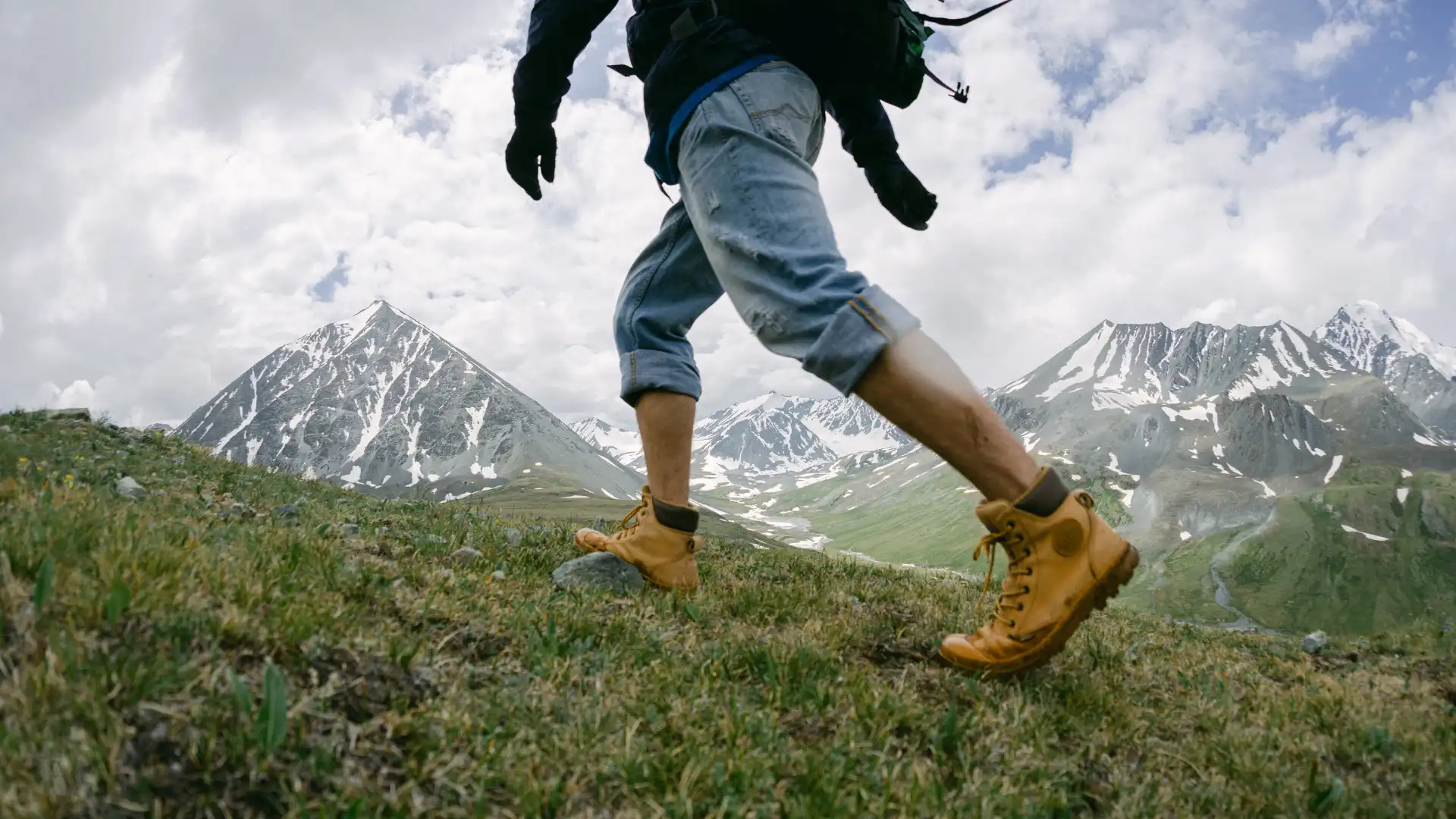
Hiking, yard work, and uneven terrain: Crew socks are safer and more comfortable. They block debris, cushion the collar area, and help prevent rubbing from eyelets, tongues, and boot edges. Even with low-cut trail runners, crews reduce the number of “stop to shake out a pebble” moments.
Court sports (basketball, tennis, pickleball): Crews stabilize the lower leg, help manage repeated cuts and landings, and protect against shoe-collar friction. A lightly compressive crew can reduce calf fatigue over long matches.
Casual, travel, and everyday wear: Make the call based on shoes and climate. Low-cut sneakers in warm weather? Ankle. Boots, high-tops, or heavily air-conditioned flights? Crew. Many travelers pack both to pivot without overpacking.
Work and long days on your feet: If your footwear is mid-height or you’re in cooler spaces, crews regulate temperature and reduce collar rub over long shifts. For low-cut work shoes in warm environments, ankle socks with targeted underfoot cushioning keep feet drier and fresher.
If you’re unsure, try a simple A/B test: wear ankle height for one outing and crew height for the same activity and shoes a day later. Your feet will tell you which is right often by the absence of irritation.
Best Materials for Ankle and Crew Socks: Moisture-Wicking, Cushioning, Fit
Sock height sets the stage, but moisture-wicking socks materials and construction determine the performance.
- Fibers: Merino wool and technical synthetics (nylon/polyester blends with elastane) manage moisture and temperature better than cotton.Merino excels across seasons. It is cool in summer, warm in winter, and naturally odor-resistant. Synthetics dry fast and resist wear. Cotton feels soft at first but holds moisture; that increases friction and blister risk during activity.
- Cushioning: Choose light to medium padding under the heel and forefoot for running or long days standing. Ultra-light works for hot gyms and snug-fitting shoes. Thicker cushion pairs well with boots but can crowd tight sneakers.
- Fit and retention: A deep heel pocket, Y-stitched heel, or anatomical left/right shaping reduces slippage. Ribbing around the arch and cuff helps the sock hug your foot without strangling it. Light compression in crews can improve the “stay-up” factor.
- Toe seams: Flat or hand-linked seams minimize a common hot-spot zone. If you’ve ever felt a ridge rubbing your toes by mile two, this detail matters.
- Heel tabs (ankle socks): A small tab prevents collar rub and helps keep the sock anchored during quick starts and stops.
When you evaluate socks, pinch the fabric does it spring back? Check the inside for smoothness. A well-made sock disappears on the foot; a poor one announces itself with wrinkles and seams.
Consider trying one or two pairs in each height from a performance-focused line before committing to multipacks. Many readers find that upgrading just their “heavy use” pairs delivers most of the comfort gains without replacing every sock at once.
Fit Tips to Prevent Blisters, Slipping, Hot Spots, and Odor
- Match thickness to shoe volume. If your shoes are snug, a bulky crew can compress toes. For roomy boots, a slightly cushioned crew fills space and stabilizes the foot.
- Keep feet dry. Change into a fresh pair between double sessions or after a rainy commute. Moisture plus friction is the blister recipe; choosing better socks for foot health helps break that cycle.
- Rotate pairs. Alternating socks lets elastic recover and fibers fully dry, extending lifespan and freshness.
- Trim nails and file rough spots. Smooth surfaces reduce snagging and sock wear.
A quick upgrade many readers love: add one merino-blend crew for cool days and one snug, heel-tab ankle for hot workouts. You’ll notice the difference the first week.
Quick Answer: Should You Choose Ankle Socks or Crew Socks?
Choose crew socks if:
- You’ll be outdoors in cool or variable weather.
- You’re wearing boots, high-tops, or trail shoes on mixed terrain.
- You need extra protection from debris, collar rub, or rope/bar contact.
- You prefer a visible, athletic or styled look.
Choose ankle socks if:
- You’re training or walking in warm conditions.
- You’re wearing low-cut sneakers or casual dress shoes and want a clean line.
- You value maximum freedom of movement and minimal bulk.
- You overheat easily and prioritize airflow.
Still torn? Keep both heights in a two-tier rotation: ankle for heat and speed; crew for coverage and control. Most people discover that 70–80% of days fall neatly into one of those buckets.
Seasonal Sock Rotation: How Many Ankle and Crew Socks Do You Need?
You don’t need a drawer full of duplicates; a small rotation of reliable everyday socks avoids “almost right” pairs. Aim for:
- Warm months: 3–5 ankle pairs for workouts and daily wear, plus 1–2 thin crews for cool mornings or air-conditioned offices.
- Cool months: 3–5 crew pairs for outdoor training and commutes, plus 1–2 ankle pairs for indoor sessions.
If you are building from scratch, start with two ankle pairs and two crew pairs in performance fibers. Wear them for two weeks, notice what you reach for most, then fill the gaps.
If you want a simple starting point, Cozocks’ sports and seasonal sock categories can be used as reference points for breathable ankle socks, crew socks, and warmer options, depending on your shoes and climate.
How to Wash and Care for Ankle and Crew Socks
Wash inside-out on cold, skip fabric softener, and tumble dry low or air dry. Elastic fatigues under high heat. Retire pairs when the heel thins or the cuff loses rebound; thin spots mean more friction against your skin. Replacing just the most-worn use cases your running or work pairs prevents discomfort without a big spend.
Common Mistakes When Choosing Ankle Socks or Crew Socks
- Wearing cotton ankle socks for long, sweaty sessions. They feel fine for an hour, then turn into damp sandpaper.
- Pairing thick crews with tight sneakers. That crowding can cause numb toes and forefoot blisters.
- Ignoring shoe height. Low-cut shoes plus debris-prone routes is a recipe for pebbles and irritation, so use crews.
- Choosing tight cuffs that leave deep marks. A gentle, consistent hug is supportive; a tourniquet is not.
- Skipping heel tabs on ankle socks if your shoes have stiff collars. That’s where heel bites begin.
If any of these sound familiar, a small height or fabric swap usually fixes the issue immediately.
Final Verdict: Ankle Socks or Crew Socks?
Ankle socks are best for warm weather, indoor training, low-cut sneakers, running, and minimalist outfits. Crew socks are best for colder days, boots, hiking, court sports, long shifts, and situations where you need more warmth, coverage, and protection.
To find the best sock height, match ankle or crew socks to your shoes, activity, climate, and comfort needs. Then choose moisture-managing materials, smooth seams, the right cushioning, and a secure fit.
Start with a two-height rotation: ankle socks for heat and speed, crew socks for coverage and control.