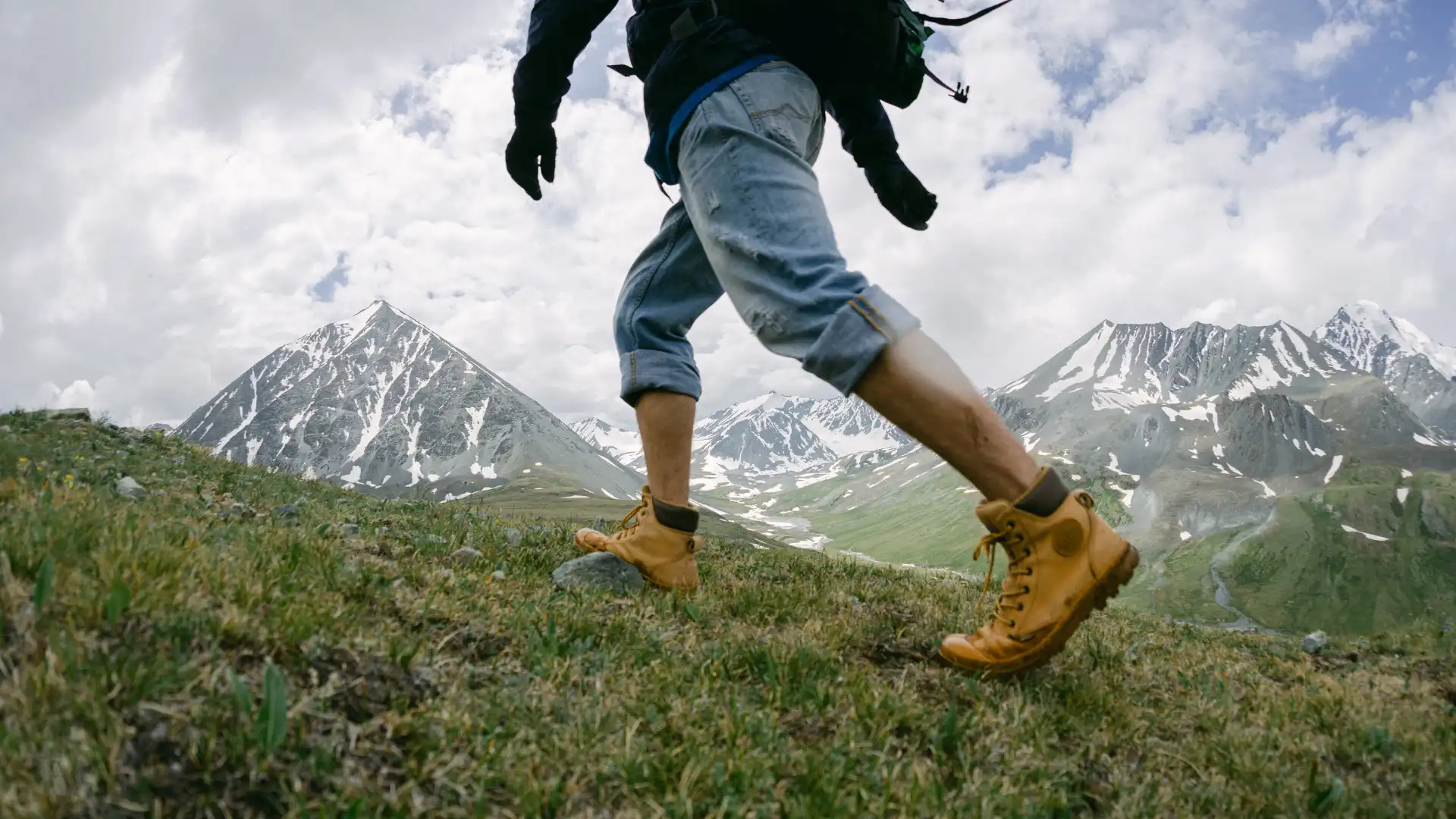

Cold, numb toes can derail a workday, cut an outdoor adventure short, or make falling asleep feel impossible. If your circulation isn’t great, whether from standing all day, sitting for long stretches, diabetes, Raynaud’s, or just chronically cold extremities, the right socks for cold feet with poor circulation can make a dramatic difference. This guide explains how to choose socks that actually keep feet warm without restricting blood flow, and how to match materials and features to your specific needs so you feel warmer, safer, and more comfortable day and night.
Why poor circulation makes feet feel freezing
When your body senses cold, it prioritizes your core organs and reduces blood flow to your hands and feet. If circulation is already sluggish, your toes may go numb, tingle, or ache far sooner. That doesn’t mean you need the bulkiest socks you can find. Warmth comes from trapped air and steady blood flow, not from sheer thickness alone. Well-chosen socks should insulate, manage moisture, and avoid constricting the small vessels that keep your toes supplied and comfortable.
If you live with a condition that affects nerves or vessels (like diabetes, hypothyroidism, anemia, or peripheral artery disease), talk with a clinician about persistent coldness, color changes, or wounds that heal slowly. Then use the advice below to fine‑tune your sock choice around their guidance.
What Makes the Best Socks for Cold Feet
Think of a “warmth system” rather than a single feature. Your best socks will balance insulation, moisture control, gentle hold, and a comfortable fit inside shoes or slippers.
- Warmth without squeeze: Lofted, terry-loop or brushed interiors trap air around your foot, which is the real secret to insulation, while a relaxed or anatomically contoured cuff avoids a tourniquet effect.
- Moisture management: Dry skin feels warmer. Look for moisture‑wicking fibers so sweat doesn’t chill your feet through evaporative cooling.
- Smooth, low‑irritation construction: Seamless or flat toe closures and soft yarns reduce rubbing, especially important if you have neuropathy or sensitive skin.
- Cushioning you can still fit in shoes: Underfoot padding adds comfort and a touch more warmth, but your footwear must leave room for toes to move freely. Tight boots or shoes defeat even the best socks.
- Honest performance cues: When brands publish lab thermal scores, higher numbers signal more insulation. If a rating isn’t listed, rely on fiber blend, knit density, and interior loft.
Consider trying one pair that prioritizes insulation and a different pair that balances warmth with in‑shoe fit.
Sock materials for Warm Socks
Not all fibers maintain their insulation when exposed to real-life conditions like sweat, snow, or long hours of wear. Here’s how popular materials behave and how to use them wisely.
- Merino wool: The gold standard for warm feet. Merino’s crimped fibers trap air, wick moisture, and still insulate when damp. It’s naturally odor‑resistant and comfortable against sensitive skin. Consider a medium or heavy merino blend for daily cold‑weather wear.
- Alpaca and cashmere blends: Lighter for the warmth they provide, with a plush feel and excellent loft. Often best for lounging, sleep, or lower‑friction use because very soft fibers can compress or wear faster.
- Technical acrylic/polyester: Modern synthetics can rival wool for warmth‑to‑weight and moisture wicking. They dry fast and maintain loft; look for brushed interiors or terry loops for added insulation. Great for those who prefer non‑wool options.
- Silk or thin synthetic liners: Ultralight liners under a warmer outer sock help move moisture away from skin and add a modest insulation boost without much bulk. This combo is popular with hikers and anyone layering inside boots.
- Cotton (use cautiously): Cotton holds moisture and loses insulating power when damp. For cold conditions or poor circulation, cotton‑heavy socks are rarely your warmest option.
If you’re on the fence, start with merino‑rich crews for everyday use and a plush synthetic or alpaca‑blend pair for relaxing at home. Don’t miss the comfort upgrade that comes from simply rotating between two well‑chosen styles.
Compression or non‑binding cuffs? Choose based on your circulation needs
This is the question most people with cold feet ask and the answer depends on what’s happening in your legs and feet.
- Mild graduated compression around 15–20 mmHg can help if you experience venous pooling, such as heavy, achy calves after long days standing or sitting, or swelling that worsens by evening. Gentle compression promotes upward blood return, which may leave toes warmer and less fatigued. Consider wearing compression under a warm outer sock or choose a warm compression sock specifically designed for cold weather.
- Non‑binding, wide‑top socks are often better if you have arterial insufficiency, advanced diabetes complications, or you notice socks leaving deep indentations. A tall, softly ribbed cuff should stay up without squeezing. Diabetic‑friendly socks also favor seamless toes and plush interiors to minimize friction.
Not sure which you need? A simple test helps: after a few hours, remove your sock. If there’s a distinct ring at the cuff or your toes look paler or colder than before, try a more relaxed top. If your lower legs swell by day, explore mild compression but check with a clinician first if you have known arterial disease, foot wounds, or significant neuropathy.
The best sock choices by situation
Matching your socks to your day makes a big difference. Below are realistic, circulation‑savvy picks you can use right away.
Bedtime and lounging at home
For sleep, you want warmth without pressure. Choose plush, non‑binding, mid‑calf or crew socks with a brushed or terry interior. Look for merino or soft acrylic blends that feel cloud‑like but don’t trap sweat. If your feet overheat under covers, a medium‑loft merino pair breathes better than ultra‑thick synthetics. Consider trying one “sleep‑only” pair you keep by the bed so it stays lofty and clean.
socks for Workdays, commuting, and travel
Indoors or on long flights, a thin‑to‑medium merino blend with a smooth knit and mild graduated compression can help feet stay warm and less puffy. If compression isn’t for you, pick a standard crew with a wide, gentle cuff and targeted cushioning at the heel and forefoot. Many readers choose a two‑pair approach for trips: a thin liner plus a warm but office‑friendly crew that still fits dress shoes or sneakers.
Outdoor chores, hiking, and winter sports
Start with a moisture‑moving liner, add a heavy merino or technical acrylic outer sock with full terry loops, and make sure your boots have enough room for the combo. You should be able to wiggle toes freely and not feel pressure across the instep. If your boots are tight, choose a larger size because tight footwear restricts circulation and warmth. You might explore knee‑high options for deeper snow or prolonged cold.
Raynaud’s or “white toes” episodes
People with Raynaud’s often swear by layering: a liner to keep skin dry plus a high‑loft outer sock that traps air. Keep your core warm to encourage blood flow to your extremities. Battery-heated socks can help during flares, but start on low settings and monitor your skin, especially if you have reduced sensation, to avoid burns. Consider trying hand/foot warmers only outside the sock, per the manufacturer’s guidance.
Diabetes, neuropathy, and sensitive skin
Prioritize skin protection and circulation: seamless toes, non‑binding cuffs, and moisture‑wicking fibers. A cushioned, merino‑rich or soft acrylic interior reduces friction. Examine feet daily; if you see redness, blisters, or pressure marks, switch to a roomier sock or shoe immediately. Many people in this group find a plush, non‑binding crew for the house and a medium‑cushion, breathable crew for shoes covers most needs.
Fit, layering, and footwear: the warmth multipliers
Even the warmest sock can’t overcome a squeezed toe box. Your toes need space to move and create heat; circulation needs room to flow. Use the “toe‑wiggle test”: after lacing, can you freely spread and wiggle your toes? If not, your socks or shoes are too tight.
Layering works best as “thin + lofty” rather than “thick + thicker.” A light liner to move moisture plus a high‑loft outer sock often beats a single bulky pair. And remember your core: if your torso is cold, your toes will be too. Keep a warm layer and hat handy so your body doesn’t clamp down on foot blood flow.
Consider trying a simple experiment this week: wear the same shoes two days in a row, once with a single thick cotton sock and once with a liner plus a merino wool outer sock. Notice the difference in warmth and comfort. Most people never go back.
Care and longevity: keep that cozy loft
Warmth comes from loft, and loft comes from fibers that aren’t matted flat. Turn socks inside out before washing, skip fabric softener, and tumble dry low or air dry to protect elastics. Rotate pairs to let them fully dry between wears. When heels thin or the interior feels flat and slick, warmth decreases and it is time to replace them. Investing in two or three great pairs you care for well often beats a drawer of average socks you don’t love wearing.
Quick troubleshooting if your feet are still cold
- Your socks may be too tight. Switch to a relaxed top or roomier footwear.
- Moisture might be the culprit. Add a liner or choose higher‑wicking fibers.
- Core warmth may be low. Add an upper‑body layer or hat.
- Floors can sap heat. Use insulated house shoes or slippers over warm socks.
- Consider mild compression if swelling builds through the day and a clinician says it’s appropriate.
- Persistent numbness, color changes such as white, blue or very red skin, or wounds are medical warning signs, so you should book an appointment.
When to speak with a clinician
Cold feet are common, but persistent symptoms deserve attention, especially if you have diabetes, a history of vascular disease, sudden one‑sided coldness, severe cramping when walking, or any foot wounds. A quick check can rule out problems and confirm whether compression is right for you. Addressing the underlying issue plus upgrading your socks is the fastest route to toasty, safer feet.
Conclusion: the warm‑feet formula
To keep cold feet warm when circulation is iffy, combine breathable insulation with a non‑restrictive fit. Favor merino or advanced synthetics over cotton, seek interior loft to trap air, manage moisture with liners or wicking blends, and choose between mild compression or non-binding cuffs to match your circulation needs. Make sure shoes or boots leave room for your socks and toes, keep your core warm, and care for socks so their loft lasts. With the right pair or a smart two-pair rotation, you can regain comfort at home, at work, and outdoors.
Ready to upgrade your routine? Start with one merino‑rich crew for everyday wear and one plush, non‑binding pair for evenings, then layer a thin liner on colder days. Many readers find this simple kit transforms their winter and helps them sleep better, move more, and worry less about cold toes. Consider trying your first pair this week and feel the difference each time you step out or climb into bed.