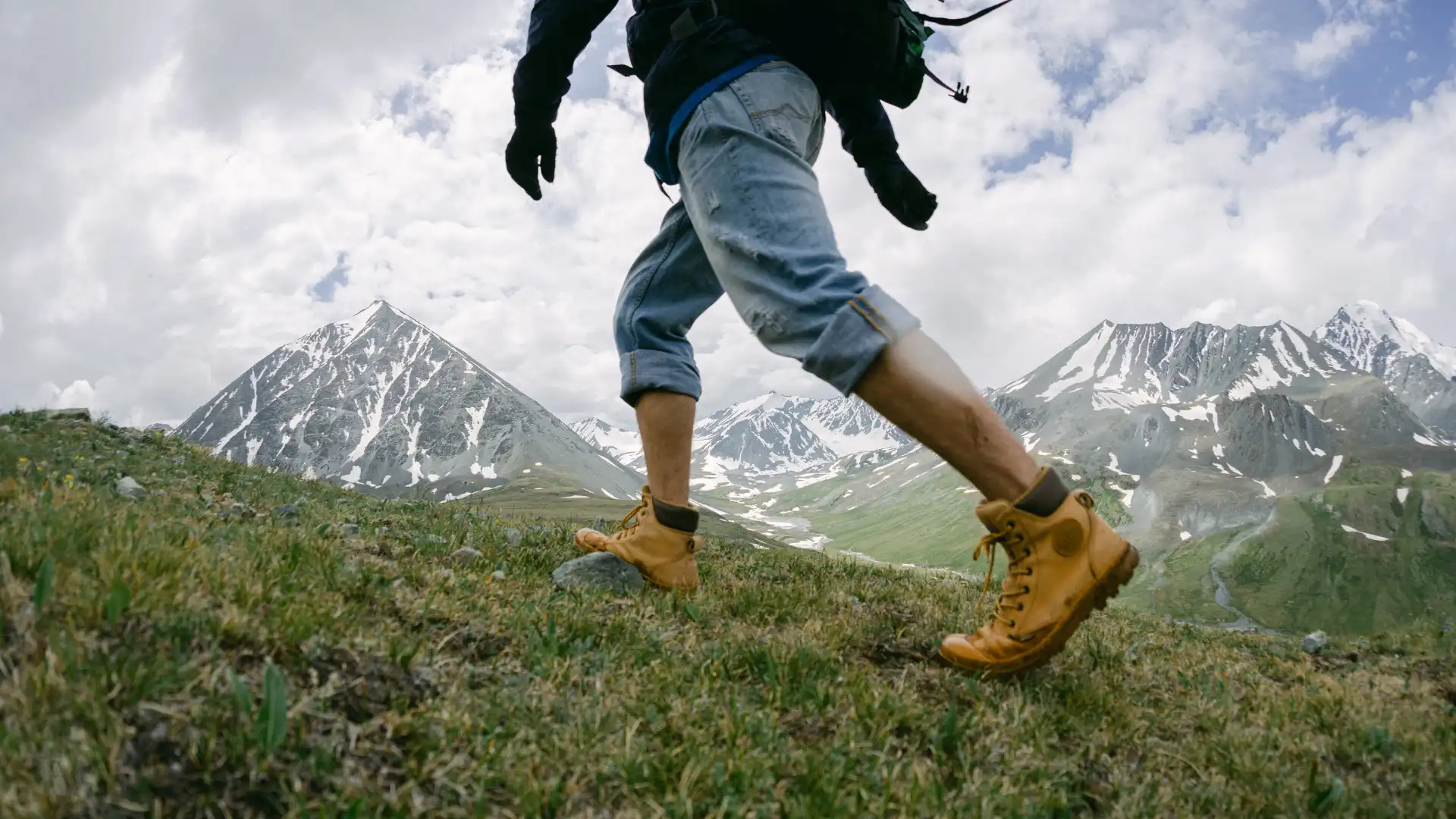

If you’ve ever cut a hike short because your feet were hot, soggy, or rubbed raw, your socks were the weak link. The right hiking socks control moisture, reduce friction, cushion impact, and regulate temperature so you can focus on the view, not your toes. This guide distills field‑tested advice into clear choices for every season and terrain, with simple fit checks and care tips that extend sock life. By the end, you’ll know exactly what to buy and how to wear it for happier feet and longer days out.
The short answer: What socks to wear hiking
- Warm to hot weather, fast miles, or breathable trail shoes: choose a light‑cushion, crew‑height sock in a merino/nylon blend. Prefer synthetics if you prioritize the fastest dry times.
- Cool shoulder seasons or mixed conditions: pick a midweight crew with targeted cushioning under heel and forefoot. Aim for 50–70% merino plus durable nylon.
- Cold weather or lower activity levels: use a heavyweight or “full cushion” crew or knee‑high sock with 60–80% merino and reinforced heels/toes.
- Prone to toe blisters: try toe socks or use a thin liner sock underneath a light or midweight outer sock.
- Swelling on big‑mile days or long descents: consider moderate graduated‑compression knee‑highs for recovery and support.
Many hikers are happy with two pairs year‑round consisting of one light merino‑blend crew for warm days and one midweight cushioned crew for cooler temps. Consider starting there.
Why hiking socks matter more than you think
Your foot’s microclimate is hot, humid, and constantly moving. Moisture softens skin; heat and friction break it down. Technical hiking socks solve for all three:
- Fibers that move sweat off skin and still insulate when damp.
- Knit structures that reduce seam bulk and keep the sock from wrinkling.
- Cushioning that spreads impact without trapping heat.
The result is fewer hotspots, less fatigue, and more consistent comfort from trailhead to camp.
Best materials for hiking socks: merino, synthetics, and smart blends
- Merino wool: Naturally odor‑resistant, thermoregulating, and comfortable against skin. It absorbs some moisture yet stays warm when damp and releases vapor gradually. Blending merino with nylon dramatically improves durability.
- Synthetics: Excellent wicking and fast drying; generally more abrasion‑resistant. They can retain odor sooner than merino, so regular rinsing matters on multi‑day trips.
- Alpaca: Soft, warm, and naturally odor‑resistant; great for cold conditions. Typically less abrasion‑resistant than merino/nylon blends and can dry slower.
- Silk: Very light and smooth; mostly used in thin liners, not primary hiking socks.
- Cotton: Avoid. It holds moisture, collapses insulation, and increases blister risk.
Balanced blends are best for most hikers. For example, a light or midweight sock with ~45–65% merino, ~30–50% nylon, and a touch (2–5%) of elastane hits the sweet spot of comfort, durability, and fit retention.
Cushioning and thickness: how to choose hiking socks without overheating
- Light cushion: Best for hot weather, high output, and trail runners or low hikers. Dries fast and breathes well. Works great as the “miles” sock in summer.
- Midweight: A versatile three‑season choice with noticeable padding at heel/ball and sometimes the toe cap. Warmer, but not bulky.
- Heavyweight/full cushion: Maximum plush and warmth for winter, mountaineering, or long, cold camps. Too warm for most summer hikes and slower to dry.
If your footwear already fits snugly, moving up a cushion level can compress your toes and create pressure points. When in doubt, choose the thinnest sock that keeps you comfortable in your expected temps,because your feet will stay drier and blister risk drops.
A quick home fit test for thickness
Put your insole on the floor, pull on the socks you plan to hike in, and stand on the insole. If your toes or forefoot spill off the edges or feel squeezed when you put your shoe on, pick a thinner sock or consider a half‑size up in footwear.
Sock height: not just about style
- No‑show/quarter: Great airflow with low shoes in clean, warm conditions, but easier for debris to enter and offers less ankle protection.
- Crew: The most versatile height. Protects from boot collars, brush, heel clip from crampons or poles, and keeps grit out.
- Knee‑high: Useful for snow, tall boots, compression, or very cold weather.
Most hikers will be best served by crew height for year‑round use.
Construction details that separate good from great
- Linked/flat toe seam: Prevents a ridge over the toes that can cause rubbing on descents.
- Zoned mesh panels: Increase breathability over the instep and top of foot.
- Arch band/compression zones: Keep the sock planted on the foot and reduce wrinkling.
- Reinforced heel and toe: Extends life where abrasion is highest.
- Y‑heel pocket and deep cuff: Improve lock‑in so socks don’t creep down as you sweat.
If a product description mentions fine‑gauge or high‑needle knitting, that’s often a sign of a dense, durable weave without excess bulk.
Hiking sock fit and sizing: snug is right, tight is wrong
Hiking socks should hug the foot without cutting circulation. Here’s how to check:
- Smoothness test: After pulling them on, there should be zero wrinkles underfoot and no extra fabric bunching at the toes.
- Cuff test: The cuff should feel secure without leaving deep, lasting impressions after a short wear.
- Pinch test: Try to pinch fabric along the arch; you shouldn’t be able to grab much material.
Remember wool blends can relax slightly with wear. If you’re between sizes and prefer a locked‑in feel, consider the smaller of the two but just not so small that the heel cup rides under your heel.
Specialty socks: when to go beyond the basics
- Toe socks: Individual toe sleeves eliminate skin‑on‑skin friction and can be a game‑changer if you get interdigital blisters. They take a little practice to put on and can feel odd at first.
- Liner socks: Ultralight, thin socks worn under a thicker pair to reduce friction and help with moisture transfer. Less common today with modern footwear, but still useful for high‑milers, sandy trails, or when breaking in boots.
- Compression socks: Graduated compression can reduce swelling and boost next‑day freshness on big trips or long travel days. Look for moderate compression and ensure your boots still fit comfortably.
- Waterproof/breathable socks: Niche solution for repeated cold, wet submersion. They trap heat well but can feel clammy if you run hot. Most hikers are better off with fast‑drying socks and quick‑drain shoes unless conditions are persistently frigid and wet.
Climate‑smart recommendations for common scenarios
- Desert heat and sun‑baked rock: Prioritize synthetic‑forward, light‑cushion crews with generous mesh over the instep. Swap midday if soaked with sweat; clip the damp pair to your pack to dry.
- Humid forests and frequent creek crossings: Choose light to midweight merino‑nylon blends that manage odor but still dry reasonably fast. Carry a dedicated, dry “sleep sock” for camp.
- Alpine mornings and shoulder seasons: Midweight, high‑merino crews with targeted cushion keep feet warm without cramping your shoe volume. If you stop often, pack a thin liner to add warmth without bulk.
- Sub‑freezing hikes and snow travel: Heavy/full‑cushion wool or alpaca‑blend crews or knee‑highs. Pair with roomy, insulated or double‑boot systems that won’t compress insulation.
A simple blister‑prevention system
- Start dry: Change into a fresh pair before big climbs or after a creek soak.
- Treat hotspots early: At the first hint of warmth, stop and apply tape, gel, or lube. Don’t wait.
- Manage nails and calluses: Keep toenails short and edges smooth; lightly sand thick calluses so they don’t create pressure ridges.
- Adjust laces by terrain: Slightly loosen on climbs to increase toe splay; tighten for long descents to reduce forward slip.
If you routinely get toe blisters, try toe socks or a thin liner underneath a light outer sock before changing footwear.
Care and longevity: make your socks last longer
- Wash inside‑out on cool or warm settings with gentle detergent; skip fabric softener.
- Air‑dry whenever possible. If you must machine‑dry, choose low heat to preserve fit and elasticity.
- Rotate pairs and retire them from trail duty once heels thin and keep those for around‑town use.
- On trips, do a quick stream wash, wring, and body‑dry method: roll in a camp towel, compress, then hang on your pack. Most light and midweight socks will be trail‑dry by the next stop.
- Keep a small mesh laundry bag for socks so pairs don’t go AWOL in camp or the wash.
Sustainability and value without the greenwashing
- Look for recycled nylon/polyester content and traceable, cruelty‑free (mulesing‑free) merino.
- Dense knits and reinforced zones reduce consumption by lasting longer.
- Robust warranties and easy repairs or exchanges are worth paying for; a truly durable pair often costs less per mile than a bargain multipack.
How many pairs to pack
- Day hikes: 1 pair on feet, 1 spare in the pack for emergencies or post‑soak swaps.
- Weekend trips: 2 hiking pairs to alternate, plus 1 dry camp/sleep pair.
- Weeklong or thru‑style: 2–3 hiking pairs (wash and dry in rotation), plus 1 dedicated sleep pair you never hike in.
At camp, change into the dry pair immediately to warm up and let your hiking pair air out. In the morning, put the hiking pair back on and keep the sleep pair sacred.
Common mistakes to avoid
- Wearing cotton: even “blends” with cotton can sabotage long days.
- Over‑socking tight shoes: extra cushion feels good for 20 minutes, then crushes toes for hours.
- Ignoring seams: any toe ridge you can feel at home will rub raw on a long descent.
- Treating socks like disposable: poor care shortens life and comfort. A little attention doubles mileage.
Conclusion: How to choose the best hiking socks
Match fiber to climate, choose the lightest cushion that keeps you comfortable, stick with crew height for versatility, and ensure a smooth, snug, wrinkle‑free fit. Carry at least one spare so you can swap to stay dry, treat hotspots the moment they appear, and care for your socks with cool washes and low‑heat drying. Start with two pairs such as a light merino‑blend crew and a midweight cushioned crew and add toe socks, liners, or compression only if your feet ask for them.