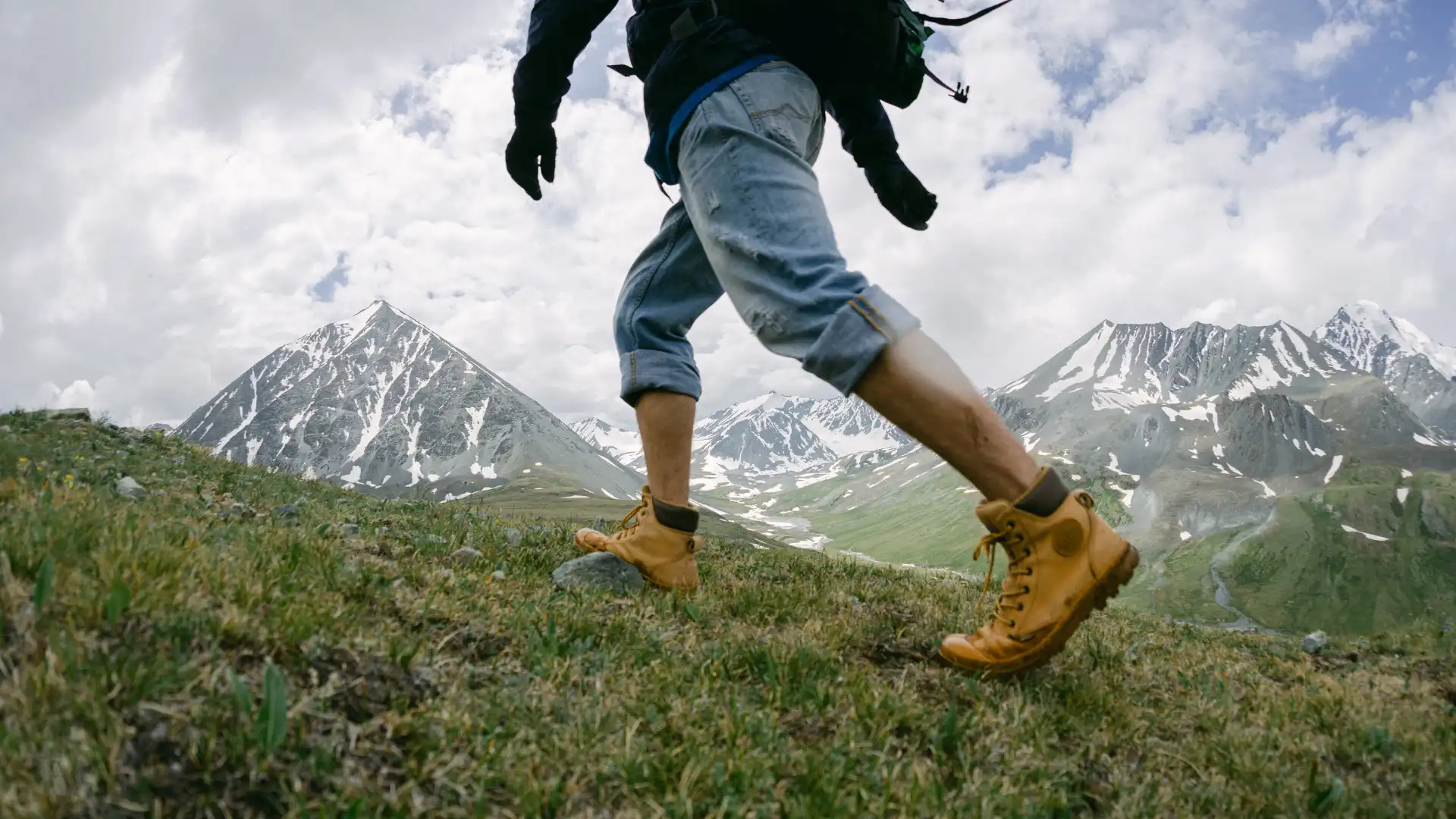

The best socks for sweaty feet are merino wool or moisture-wicking synthetic blends. They keep feet dry by pulling sweat away, improving airflow, and reducing odor buildup.
If your socks end the day damp, squishy, or smelly, you’re likely not using the best socks for sweaty feet. Feet have a high density of sweat glands, and without proper moisture control, sweat leads to odor, heat, and blisters. The right socks change that story. With the right fiber, knit, height, and fit, you can keep sweat moving away from your skin so your feet feel dry, cool, and confident whether you’re at a desk, on a run, or clocking a double shift in work boots.
This guide cuts through the noise and shows you exactly which socks work best for sweaty feet, why they work, and how to choose a pair you’ll actually want to wear every day. As you read, note one or two changes you can make this week. Small upgrades add up fast.
Why your socks decide whether your feet stay dry
Sweat by itself doesn’t smell; the trouble starts when moisture lingers. Damp fabric softens skin, increases friction, and gives bacteria the conditions they need to create odor. Great socks solve all three problems at once:
- They pull sweat off your skin and spread it through the fabric so it can evaporate.
- They let air circulate so heat escapes.
- They resist odor buildup and keep their shape so they don’t bunch and rub.
If your current pairs aren’t doing all three, consider upgrading your sock drawer before you blame your shoes. Many readers notice a night-and-day difference the first day they switch to moisture‑managing socks.
The fiber breakdown: best materials for sweaty feet
The fabric blend is the foundation of any sock’s performance. Here’s what actually works for sweaty feet and what doesn’t.
Merino wool socks for sweaty feet: nature’s moisture manager and odor fighter
Merino is a go‑to for sweaty feet because it moves moisture as vapor before it even becomes liquid sweat against your skin. The fibers are fine and naturally crimped, which creates tiny air pockets for insulation and airflow. Merino stays comfortable across a wide temperature range, resists odor without chemical treatments, and remains warm even if it does get wet. Modern merino socks are typically blended with nylon and a touch of elastane for durability and stretch, so they don’t feel “scratchy” or bulky.
Consider trying: lightweight or midweight merino‑nylon crew socks for everyday wear, travel, hiking, and long workdays in boots.
Synthetics moisture: fast wicking, tough, and quick to dry
Polyester, nylon, and polypropylene excel at moving sweat off the skin and drying fast. Performance socks often combine several synthetics: nylon for durability, polyester for wicking, and a small amount of elastane for a secure fit. Look for designs with targeted ventilation zones over the instep and a smooth, flat toe seam. Synthetics shine for high‑intensity workouts and hot, humid climates where quick drying matters most.
You might explore: thin, breathable synthetic ankle or crew socks for running, gym sessions, court sports, and summer wear.
Bamboo/viscose: soft and breathable with a few caveats
Socks labeled “bamboo” are typically viscose derived from bamboo. They feel luxuriously soft and can be quite breathable. Many wearers appreciate their comfort for everyday use, and some bamboo blends do a decent job with moisture. However, viscose alone tends to hold onto water more than high‑end merino or technical synthetics and may be less durable over time. If you love the feel, choose a bamboo‑synthetic blend and prioritize designs with mesh panels and reinforced heels/toes.
Consider trying: bamboo‑blend crews for office wear if you value softness and a dress‑sock look, and your day isn’t highly active.
Why cotton socks make sweaty feet worse
Cotton absorbs and holds moisture. Once wet, it stays wet, which raises friction and invites odor. For sweaty feet, 100% cotton is best left to low‑sweat, short‑duration wear or lounging at home. If you prefer a natural feel, merino is the better upgrade, because it breathes and manages moisture without staying soggy.
If your drawer is full of cotton, a simple win is to reserve those pairs for quick errands and swap to merino or performance blends for long days.
Bonus fibers and finishes: what those labels really mean
You’ll see socks marketed with copper, silver, zinc, charcoal, or “antimicrobial” finishes. These can help curb odor, but they’re not a substitute for real moisture management. If you have very sweaty feet or rotate fewer pairs, these treatments can extend freshness between washes. If you have sensitive skin, test a single pair first, as some treatments can be irritating.
Key Features that keep feet drier
The best socks for sweaty feet are not just about material.
- Ventilation zones: Look for mesh over the instep and around the toes. This creates an “air chimney” that moves heat out of the shoe. You’ll feel the difference on stairs or during a brisk walk.
- Targeted cushioning: Plush terry loops underfoot soak up bursts of moisture and reduce shear forces that cause blisters. In hot weather, choose light or ultralight cushion to reduce heat buildup; in boots or on long hikes, a light‑to‑mid cushion protects hotspots without turning your shoe into a sauna.
- Flat or seamless toe: A smooth toe seam prevents pressure points that get worse when fabric is damp.
- Y‑heel and arch band: These keep the sock anchored so it won’t migrate or bunch, which is critical when feet sweat and skin softens.
- Toe‑sock designs: If moisture between toes leads to blisters, toe socks can separate digits and keep skin drier. Many runners and hikers swear by a thin toe‑sock liner under a regular sock when they expect long, hot miles.
A quick check in store: Pinch the fabric; springiness shows a resilient knit that will hold its shape after washing. Hold the sock up to the light to see the slightly more open knit where the brand designed airflow.
Height, thickness, and fit: small choices, big impact
Sock height
Height affects both comfort and moisture movement. A sock that rises above your shoe collar wicks sweat farther from the foot and lets it evaporate more effectively. No‑show socks are great for style and minimalism, but for sweaty feet they can trap moisture right at the shoe opening. Many people find ankle or crew heights a sweet spot for airflow and a locked‑in feel.
- Running/training shoes: ankle or micro‑crew with a heel tab to reduce slippage and wick away from the collar.
- Hiking/work boots: crew or boot‑height to move sweat up and out and protect your skin from the boot cuff.
- Skiing/waders/calf‑high boots: over‑the‑calf to manage moisture and prevent rub along the shaft.
If you’ve always worn no‑shows but struggle with sweaty feet, consider testing a breathable crew for a week, you may be surprised how much drier your feet feel.
Thickness
Thicker isn’t automatically warmer if the fiber is right, but more fabric does hold more moisture. For hot days and high output, go light or ultralight cushion. For long hours standing or carrying load, a light‑to‑mid cushion underfoot can reduce soreness and absorb sweat spikes without overheating.
Fit and gentle compression
A sock that’s too tight restricts circulation and traps heat; too loose and it bunches, creating friction and hotspots. You want snug, not strangling. Mild compression features through the arch and ankle can improve hold and reduce swelling on long days. If your socks leave deep marks or feel tingly, size up or switch to a different compression level.
How to choose socks by activity‑specific picks that actually work
Everyday and office
If you spend most of the day indoors but walk to lunch or commute, choose a lightweight merino‑nylon crew with a smooth toe and subtle ventilation. You’ll get all‑day odor resistance without a bulky look. Dark neutrals hide any dust from your commute and pair with dress shoes or sneakers. Many readers keep three to five pairs in rotation so there’s always a fresh option.
Running and gym workouts
Look for thin, high‑wicking synthetics or merino blends with a heel tab and arch band. Ventilated insteps and flat toes reduce pressure when your feet swell during a workout. If you’re blister‑prone, try a thin toe‑sock liner under your usual pair or a double‑layer sock designed to reduce skin‑on‑fabric shear. You might try a two-pair trial, one synthetic and one merino, to see which dries faster in your shoes.
Hiking and long days in boots
Mid‑height merino‑nylon crews are standouts here. A light‑to‑mid cushion underfoot soaks up moisture surges on climbs and descents while protecting against boot seams. For multi‑day trips or 12‑hour shifts, a liner‑plus‑sock system helps: a thin synthetic liner moves sweat off the skin; the outer merino sock spreads it out and stays fresher. Pack a spare pair and change at lunch; your afternoon feet will thank you.
Hot, humid climates
Choose ultralight synthetics or airy merino mesh crews. The goal is maximum airflow with fast‑drying fibers. Lighter colors can reflect heat. If shoes are very closed off, consider swapping insoles for perforated ones to aid evaporation. Don’t miss the benefits of going one height taller than your shoe. This small change often yields noticeably drier ankles and heels.
Snow sports and waders
Over‑the‑calf merino socks with thin, consistent cushioning prevent pressure points and move sweat up the calf. Avoid doubling thick socks in snug boots; you’ll restrict circulation and get colder, sweatier feet.
Odor control and hyperhidrosis tips that go beyond socks
Great socks do most of the heavy lifting, but a few habits amplify their impact:
- Apply a thin layer of antiperspirant to clean, dry feet at night; it has time to plug sweat ducts and works better the next day.
- Rotate shoes; aim for 24 hours of dry time between wears. Remove insoles to speed drying.
- Sprinkle a small amount of non‑clumping foot powder in socks or shoes if you’re in a very humid environment.
- Wash and thoroughly dry feet daily, paying attention between toes. Keep nails trimmed so they don’t catch damp fabric.
- If sweat is severe or constant, consider speaking with a clinician about targeted options for hyperhidrosis. Getting the underlying sweating under control makes every sock work better.
If you implement just one of these along with better socks, you’ll extend the life of both your socks and shoes and reduce end‑of‑day odor.
Care, washing, and when to replace
Washing matters more than most people think. Fabric softeners and high heat can clog fibers and reduce wicking.
- Turn socks inside out before washing; this exposes salt and skin cells to the wash.
- Wash cool or warm on gentle with a sport or wool‑safe detergent.
- Skip fabric softener; it coats fibers and traps moisture.
- Air‑dry when possible, or tumble on low. High heat accelerates wear and can degrade elastic.
- Retire socks with thinning heels, baggy cuffs, or persistent odor right after washing. These signs mean the fabric has lost its structure or trapped buildup.
Many active people replace their most‑worn pairs every 6–12 months. Building a small rotation spreads the load and keeps every pair performing like new for longer.
Quick chooser: pick your next pair in under a minute
- Choose fiber first: merino‑nylon blend for all‑around odor‑resistant comfort; performance synthetics for the fastest drying in heat and high output.
- Match height to footwear: go at least as high as the shoe collar; crew or boot height promotes better moisture escape.
- Select cushion by activity: ultralight for hot days and speed work; light‑to‑mid for long standing, hiking, and boots.
- Check construction: ventilated instep, flat toe seam, arch band, reinforced heel/toe.
- Dial in fit: snug without constriction. If you’re between sizes, size up for thicker socks and down for thin workout pairs.
- Stock a rotation: three to five pairs you love will serve you better than a drawer of random singles.
Summary
The best socks for sweaty feet and odor combine the right material, structure, and fit. Merino blends excel for all‑day wear and odor control; high‑tech synthetics dry fast for intense workouts and humid climates; bamboo‑viscose offers plush comfort for lower‑sweat days. Skip 100% cotton for long or hot wear. Choose a height that rises above your shoe, pick light or mid cushioning to balance comfort and heat, and look for vent panels, flat toes, and an arch band. Care for your socks by washing inside‑out, skipping fabric softener, and air‑drying when possible. With a small rotation of the right pairs and a couple of simple hygiene habits, you can keep your feet dry, comfortable, and fresh from your first step to lights out.
FAQ
What socks are best for sweaty feet?
Merino wool and synthetic moisture-wicking socks are the best options for keeping feet dry and odor-free.
Are cotton socks bad for sweaty feet?
Yes. Cotton traps moisture, making feet wetter and increasing odor and blisters.
Do moisture-wicking socks really work?
Yes. They pull sweat away from the skin and help it evaporate faster.