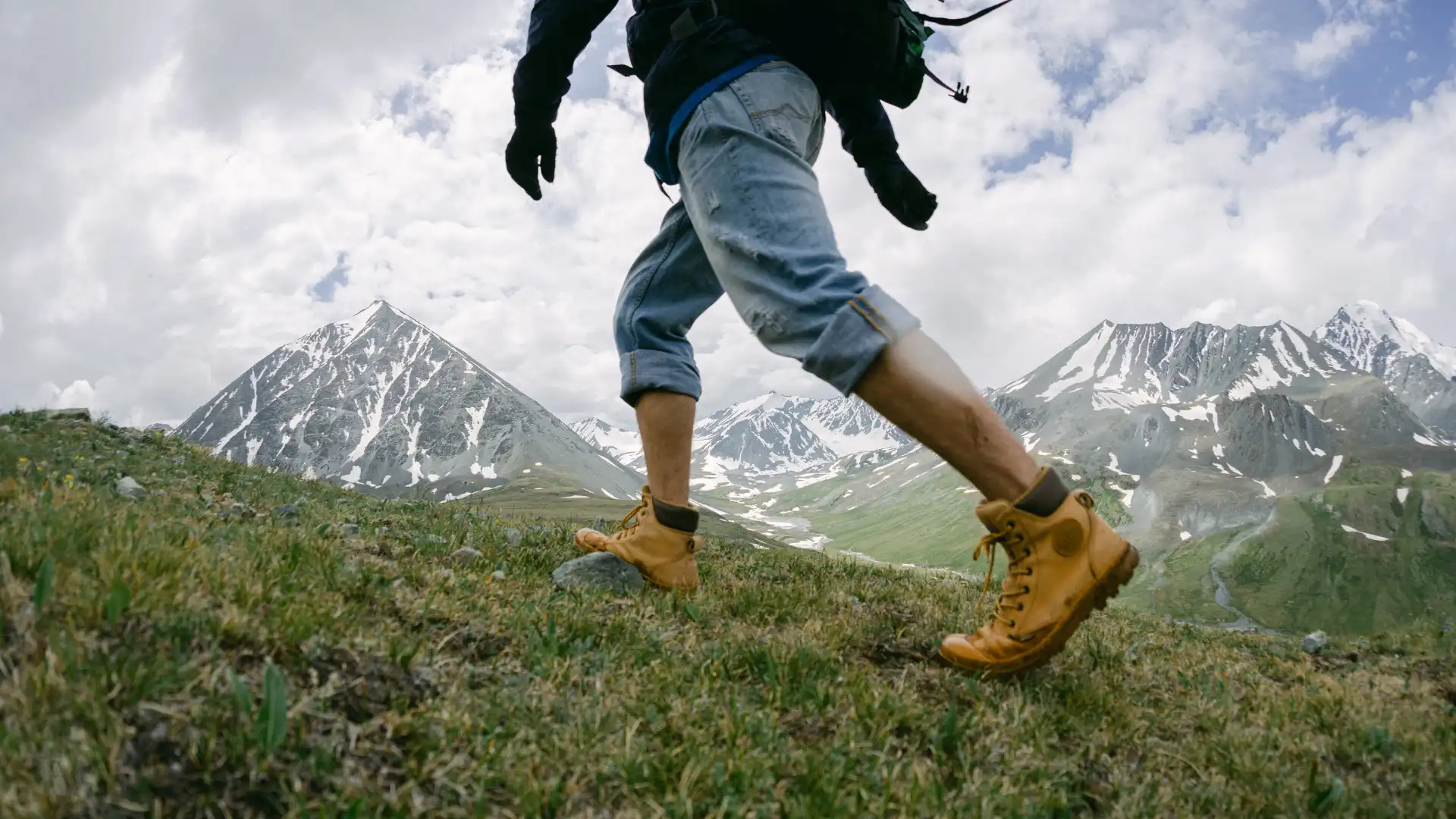
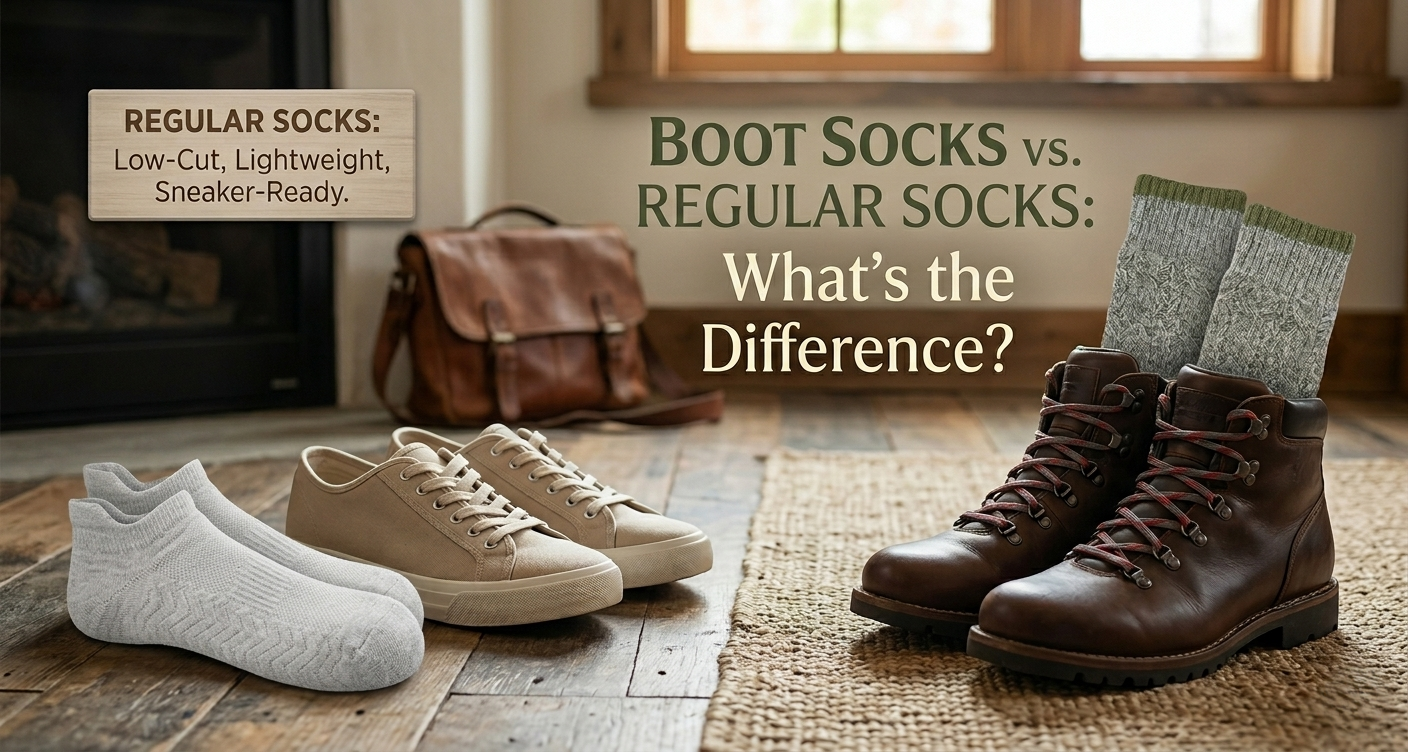
If your boots feel great for the first hour and then turn into a blister factory, the culprit is usually not the boot but the sock. Choosing between boot socks and regular socks sounds trivial until your shins are rubbed raw, your feet are swampy, or your toes go numb in the cold. The right pair changes everything: fewer hotspots, better temperature control, and a secure, confident stride all day. This guide breaks down the real differences so you can pair your footwear with socks that work as hard as you do.
Why Sock Choice Matters When Wearing Boots
Boots are built with tougher materials, higher collars, and hardware that can rub against skin. Regular socks aren’t always designed to manage that friction, absorb that impact, or regulate that much heat and moisture. Ignore the mismatch and you risk blisters, odor, cold toes, and premature boot wear. Get it right and you’ll feel the quiet luxury of “nothing hurts” at the end of a long day. If you’ve been underwhelmed by your current setup, consider upgrading your socks before blaming your boots.
What Are Regular Socks?
“Regular socks” usually means everyday styles like ankle, quarter, and crew heights designed for sneakers, casual shoes, and lower-cut boots. They prioritize breathability and comfort without adding unnecessary bulk. Many are cotton-rich or lightweight synthetics with footbed cushioning and a standard ribbed cuff that sits roughly at mid-calf. They’re versatile and perfect for daily wear, but not always engineered for the demands of tall, rigid, or heavy boots.
If your routine involves office commutes, errands, gym sessions, or light hikes in low-cut footwear, regular socks can be ideal. The key is recognizing when “regular” stops being enough.
The Core Differences at a Glance
- Boot socks are taller, often reaching mid-calf or over-the-calf, so they cover the leg where a boot’s collar, tongue, and laces can rub. Regular socks tend to stop around mid-calf or lower.
- Cushioning and protection: Boot socks extend cushioning and reinforcement beyond the footbed, adding protection to the shin and calf. Regular socks focus padding underfoot and at the heel/toe.
- Fabric strategy: Boot socks lean into moisture control, durability, and temperature regulation for long wear in rugged conditions. Regular socks prioritize lightness and everyday breathability.
- Elastic and hold: Boot socks often use stronger ribbing and targeted compression to stay put under a boot shaft. Regular socks may slide or bunch when subjected to higher friction.
- Durability pattern: Boot socks reinforce high-wear zones created by boot interfaces; regular socks reinforce common shoe contact points.
If you’ve ever had your sock slowly migrate under your heel inside a boot, you’ve met this difference firsthand.
Boot Socks: How They’re Built and Why It Matters
Boot socks are purpose-built for tall, structured footwear. Their design solves the exact problems boots create.
- Extended height and shin protection: A taller leg prevents the boot collar and tongue from rubbing skin. Many boot socks include terry-loop cushioning up the front to diffuse lace pressure and shield your shin on steep descents or when carrying loads.
- Strategic thickness: Boot socks range from lightweight to heavyweight, but they’re typically denser than everyday pairs. That density cushions impact, fills small voids inside the boot to reduce heel lift, and improves warmth when the temperature drops.
- Reinforced zones beyond heel and toe: Expect sturdier yarns in the Achilles, instep, and shin. This adds life to the sock where boot hardware and stitching would otherwise abrade fabric.
- Stay-put architecture: Wider cuffs, deeper ribbing, and targeted compression through the arch and leg help prevent slouching and bunching. This is key to avoiding wrinkles that create hotspots.
- Moisture management: Performance blends move sweat away, trap less odor and dry faster, which is critical inside a boot that breathes less than a running shoe.
If you work job sites, hike in tall boots, ride motorcycles, wear cowboy or rubber barn boots, or spend long hours in winter conditions, you’ll likely feel a dramatic comfort upgrade with true boot socks. Consider trying a midweight pair first; most people find it’s the sweet spot for protection without crowding the boot.
Regular Socks: Where They Shine
Regular socks excel at versatility. They’re lighter, airier, and great for:
- Daily wear in sneakers and casual shoes
- Low to mid-cut hikers in warm weather
- Office days with dressy ankle boots
- Short-duration tasks where maximum protection isn’t needed
A well-made crew sock with a smooth toe seam, breathable knit, and cushioned footbed is a pleasure to wear. If you rarely lace higher than the ankle and prioritize a cooler, minimal feel, regular socks are a smart, comfortable default.
Fabric Science That Actually Matters
The yarn blend drives comfort more than any single feature. Here’s how to think about it without getting a textile degree.
- Merino wool blends: A top pick for boot wear. Merino wicks moisture, regulates temperature, and resists odors naturally. Blends with nylon and elastane improve durability and fit. This is the go-to for multi-day trips, cold climates, and long shifts.
- Synthetic performance fibers: Durable, fast-drying, and often very supportive. Great for people who run hot or need quick-dry performance. Look for “hydrophobic” or moisture-wicking claims paired with ventilated zones.
- Cotton-heavy socks: Comfortable and soft for everyday, but cotton holds moisture. Inside a boot, that can mean soggy feet, faster blister formation, and chills once you stop moving. If you love cotton, choose blends with wicking synthetics for boot applications.
- Specialty fibers: Often very soft and thermally efficient. You’ll usually find them blended for strength. These can be excellent for sensitive skin or luxury comfort, particularly in cooler seasons.
For boots, prioritize merino blends or advanced synthetics. In warm weather, lightweight merino or breathable synthetics outperform cotton for dryness and comfort.
Matching Sock Thickness to Boot Fit
Socks can “tune” your boot fit more than you might expect. Too thin, and your heel may lift, creating friction. Too thick, and toes can feel cramped, compressing circulation.
- If you feel heel slip or shin bite: Try a thicker boot sock with targeted shin cushioning and a snugger arch wrap. This fills micro-gaps and stabilizes your foot.
- If your toes feel squeezed: Drop to a lighter-weight boot sock to regain toe splay and blood flow.
- If your boot is broken-in and roomy: Midweight socks maintain stability without smothering breathability.
- If you alternate seasons: Keep both a light and midweight option. Many readers choose a light cushion pair for summer and a mid/heavy for winter.
Lace your boots normally, then try walking up and down stairs. If your heel lifts or your shin feels the lace pressure, adjust sock thickness before blaming the boot.
Matching Sock Height to Boot Height
Height isn’t just cosmetic. Match the sock to the boot’s collar.
- Low-cut and mid hikers: Crew-height regular socks often suffice, especially in warm weather.
- 6–8 inch work or hiking boots: Mid-calf or over-the-calf boot socks prevent collar rub and keep cuffs from sliding.
- Cowboy, moto, ski, and winter boots: Over-the-calf boot socks shine here, providing continuous coverage, warmth, and hold.
If you’ve ever had a sock edge land right under the boot collar, you already know why coverage matters. Don’t give the leather a bare patch of skin to chew on.
Tips to Prevent Blisters When Wearing Boots
Blisters form when moisture, heat, and friction join forces. Break the cycle with the right sock strategy.
- Stay dry: Choose moisture-wicking fibers and mesh panels that vent heat. Damp skin is fragile skin.
- Smooth seams: Look for flat or hand-linked toe seams to avoid pressure ridges.
- Secure fit: Arch compression and ribbed legs reduce fabric movement that creates hotspots.
- Consider a liner: In very long days or multi-day treks, a thin liner sock under a boot sock lets the two layers glide against each other, reducing shear on your skin. Ensure the combo doesn’t overcrowd the boot.
- Thermoregulation: Lightweight merino or synthetics for summer; mid/heavy merino blends for winter. Overheating early often leads to sweat, then chills later, so keep your microclimate steady.
You don’t have to overthink it. Start with a quality midweight boot sock for demanding days and use lighter regular socks when conditions are easy and cool.
When to Choose Boot Socks vs Regular Socks
Choose boot socks when you expect: long hours on your feet, tall or rigid boots, heavy loads, cold weather, wet conditions, uneven terrain, or any job where your legs brush hardware, laces, or boot shafts. You’ll feel the difference in reduced shin bite, steadier heel hold, and legs that don’t itch or chafe.
Choose regular socks when you want: maximum breathability, short-duration wear, low-cut footwear, or a minimal, flexible feel. They’re perfect for commuting, casual days, travel in sneakers, and warm indoor environments.
Not sure? If you’re wearing boots above the ankle for more than a couple of hours, lean boot sock. You’ll rarely regret the extra protection.
Sizing and Care: Small Habits, Big Payoffs
Right size, right life span. A sock that’s too small over-stretches and thins; too large bunches and blisters.
- Sizing: Follow the maker’s chart and consider foot volume. If you’re between sizes and prefer thicker socks, size up only if the brand runs short; otherwise, choose the tighter fit for better hold.
- Washing: Turn socks inside out, cold or warm wash, gentle cycle. Avoid fabric softener because it coats fibers and ruins wicking.
- Drying: Air dry or tumble low. High heat weakens elastic and shrinks wool blends.
- Rotation: Give elastic a day to recover. Keep a small rotation of your favorites so each pair lasts longer.
- Quick checks: Retire pairs that have thinned heels or blown-out elastic; they’ll cause more issues than they solve.
Treat your socks like performance gear and they’ll return the favor in miles of comfort.
A Two-Minute At-Home Fit Check
Before your next long day in boots, try this:
- Put on the socks you plan to wear. Lace your boots snugly but not tight.
- Walk briskly for one minute, then climb a flight of stairs.
- Note any heel lift, shin pressure, or toe crowding.
- Swap to a lighter or thicker pair as needed and repeat.
This tiny test often prevents a full day of discomfort. Many readers find a midweight boot sock eliminates heel slip without over-tightening laces. You might explore a light-cushion version for summer to keep your feet dry while maintaining coverage.
Common Myths, Quickly Debunked
- “A tall crew sock is the same as a boot sock.” Not quite. True boot socks rework padding, reinforcement, and cuff strength for boots, not just height.
- “Thicker is always warmer.” Only to a point. If a sock is too thick and compresses your foot, you can lose circulation and feel colder. Balanced cushioning wins.
- “Cotton is fine for boots.” In dry, short wear it’s fine. For long, sweaty, or cold conditions, cotton’s moisture retention increases blister risk and chill.
If you’ve been burned by these myths, consider trying one thoughtfully designed boot sock and you’ll likely notice the difference within the first mile.
The Bottom Line: Align Sock to Job, Foot, and Boot
Comfort comes from harmony: the right height to protect skin, the right fabric to manage moisture, and the right thickness to stabilize your foot inside the boot. Boot socks specialize in this harmony for taller, tougher footwear. Regular socks optimize easy breathability and everyday versatility. Keep both in your drawer and choose with intention.
Conclusion
Boot socks differ from regular socks in ways that matter: they’re taller for coverage, cushioned along the shin and calf, built with stronger reinforcement, and engineered with moisture-wicking blends to handle long hours in tall, rigid boots. Regular socks favor lightness and everyday breathability for low-cut footwear and shorter wear. Match sock height to boot collar, tune thickness to boot fit, choose merino or advanced synthetics for moisture control, and prioritize secure, smooth construction to prevent blisters. A quick at-home fit check with different weights can dial in comfort fast. Start with a midweight boot sock for demanding days and a breathable regular crew for casual wear.
Ready to feel the difference on your next shift, hike, or ride? Consider trying one pair of well-made boot socks alongside your favorite regular crews. Upgrade strategically, test them on a real day, and keep what your feet thank you for.