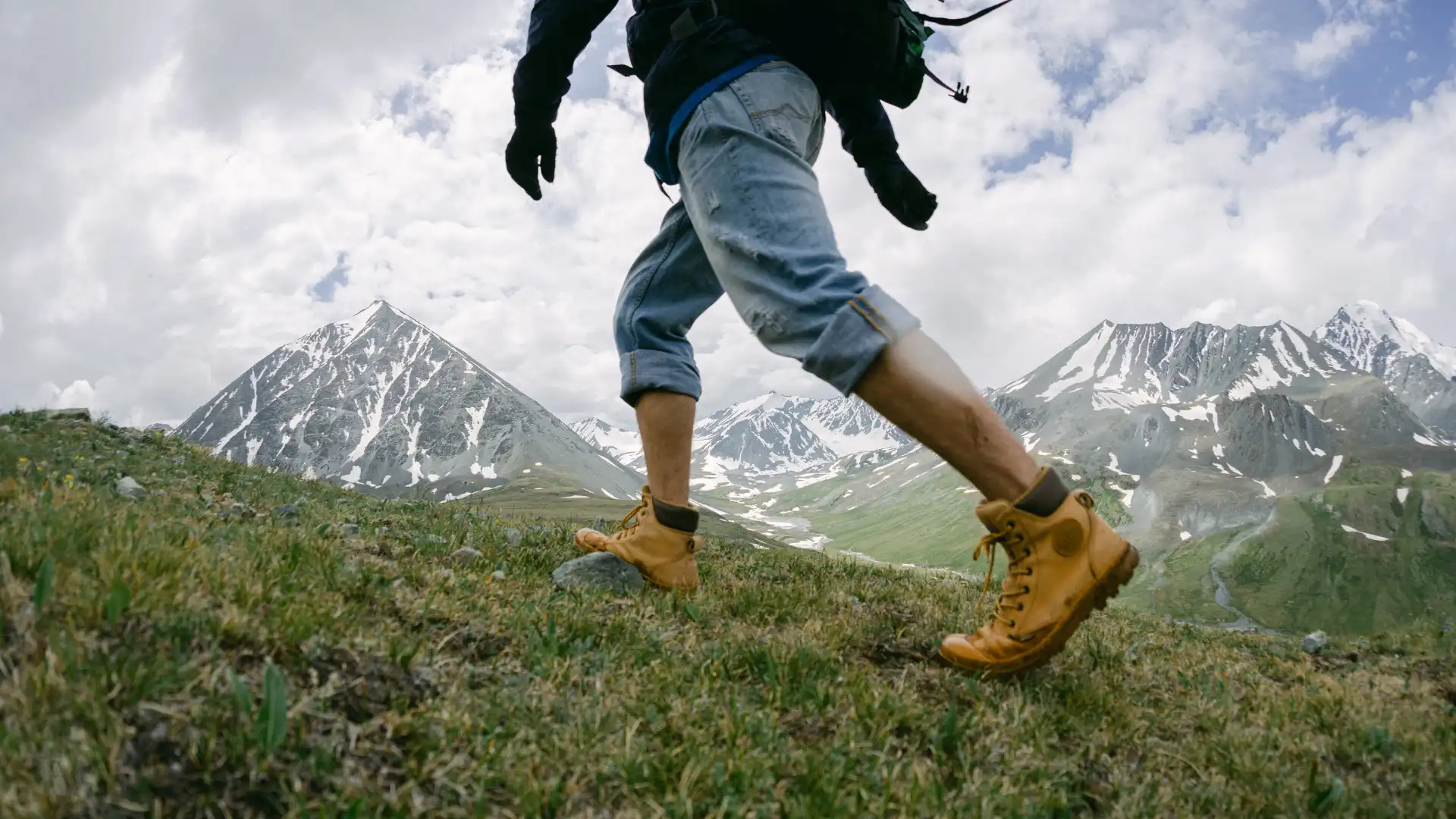

Crew socks are best when you need more coverage, warmth, ankle protection, and defense against shoe-collar rub or trail debris. Ankle socks are best for hot weather, low-cut sneakers, gym sessions, and a lighter look. For blister prevention, sock fit, moisture-wicking materials, smooth seams, and heel stability matter more than height alone.
If you have ever finished a workout with a hot spot on your heel, a pebble in your shoe, or ankles that feel raw from rubbing, your sock height may be part of the problem. Picking between crew socks vs ankle socks seems simple until sweat, chafing, temperature, shoe height, and style all enter the decision.
This guide explains when to choose crew socks, when ankle socks make more sense, and how to match sock height to your shoes, activity, climate, and comfort needs.
Crew Socks vs Ankle Socks: The Short Answer
Crew socks win when you need coverage and protection. Their mid‑calf height shields the ankle and lower leg from collar rub, brush, and grit. They also hold a pocket of warm air around the ankle in cool weather and give designers more room to add supportive ribbing and gentle compression.
Ankle socks win when you want minimum coverage and maximum airflow. Sitting just above the shoe line, they feel light and unrestrictive in heat, pair cleanly with low‑cut shoes, and when built well still protect the heel collar with a raised tab.
If you’re unsure, match height to your harshest variable: cold, debris, or high‑top footwear favors crew; heat and low‑cut footwear favor ankle. Many readers start with one pair of each and rotate by conditions.
What Are Crew Socks and Ankle Socks?
Crew socks typically reach mid‑calf. Depending on brand and leg length, that’s roughly 6–8 inches above the heel. The cuff is ribbed to stay up, and the added real estate often includes targeted cushioning or compression zones.
Ankle socks sit just above the ankle bone. Quality pairs usually feature a heel tab to guard against the shoe collar and a snug arch band so the sock doesn’t migrate underfoot. If you prefer something even lower, no‑show and quarter/mini‑crew heights bracket the ankle category, giving you more style or protection without jumping all the way to crew.
Comfort, Heat, Sweat, and Friction: How Sock Height Changes Feel
Foot comfort largely comes down to controlling three things: temperature, moisture, and rubbing. Taller socks trap more warm air around the lower leg, which is great in the cold and less great in August. Shorter socks expose more skin to airflow, helping sweat evaporate faster.
Friction happens wherever skin, sock, and shoe meet. Ankle collars can rub the Achilles and outer ankle bone. Crew socks put fabric between your skin and that collar, often preventing the irritation ankle socks leave exposed. On the flip side, less fabric means fewer potential wrinkle points, one reason some runners love ankle socks in hot weather.
If blisters have been your nemesis, prioritize construction first, then pick height. Crew gives you more “coverage insurance,” but a poorly made crew can still blister; a well‑made ankle sock can perform beautifully for warm‑weather miles.
Crew Socks vs Ankle Socks for Running, Hiking, Gym, Work, and Travel
Running (road, treadmill, or track)
- Warm climates or indoor training favor ankle socks for their airy feel. Look for a secure heel tab and ventilated mesh over the instep.
- Mixed temps, long runs, or shoes with higher collars usually feel better with crew socks. The extra fabric reduces collar rub and keeps grit out on shoulder‑season trails. Consider trying both heights across a week of runs to see which leaves your feet calmer at the end of the longest session.
Hiking and trail walks
- Crew socks are the default here. They block sand, needles, and small stones, and protect your lower legs from brush. With boots or mid‑cut hikers, the extra height is almost mandatory.
- In very hot, dry conditions with low‑cut trail shoes, performance ankle socks can work, just be prepared to stop and tap out debris more often.
Court sports (tennis, basketball, pickleball)
- Quick cuts and repeated stops create ankle‑collar friction. Crew socks help here and also provide a slightly steadier “locked‑in” feel around the lower leg.
- If you run hot, ankle socks can work, but prioritize reinforced collars and snug cuffs so they don’t slide during lateral moves.
Gym and strength training
- It’s a style and temperature call. Many lifters like ankle socks for a minimal, distraction‑free feel. If your shoe collar nips your Achilles on box jumps or sled work, switch to crew.
Work, travel, and long days on your feet
- Crew socks offer subtle support and a little extra warmth on over‑air‑conditioned days. They also help when dress shoes or boots rub.
- For summer travel or slip‑on sneakers, ankle socks keep things breathable and low‑profile.
If you’re on the fence, set a simple rule: any day with high tops, unpredictable terrain, or temps below ~60°F gets crew; all other days start with ankle and switch only if your heels complain.
Crew Socks vs Ankle Socks for Shoes and Style
Crew socks are intentionally visible. They frame high‑tops and boots, add texture under cuffed jeans, and pair naturally with shorts in an athleisure or retro‑sport look. Because they’re seen, color and pattern can tie an outfit together, subtle ribbing in neutral tones reads clean and elevated.
Ankle socks disappear into low‑cut sneakers and casual shoes, keeping the focus on the footwear. If you like a sleek line with joggers, chinos, or shorts, ankle socks give you that “barely there” aesthetic without going full no‑show. For a crisp finish, match sock color to shoe or skin tone; if your shoes have a rough collar, make sure that heel tab is tall and padded.
You might explore keeping both heights in your rotation: crew for boots, cold mornings, and statement looks; ankle for warm afternoons and minimal outfits.
Materials and Construction for Crew and Ankle Socks
Height sets the stage; yarns and build quality deliver the comfort. When you compare crew socks vs ankle socks, inspect these details:
- Fibers: Synthetic blends move moisture quickly and resist abrasion. Merino wool blends regulate temperature exceptionally well and fight odor without feeling scratchy. A bit of spandex/elastane maintains shape wash after wash.
- Cushioning: “Targeted” pads under the heel and forefoot soften impact without bunching in the arch or toe box. Ultra‑thick socks can overfill snug shoes and cause pressure, so match thickness to your footwear’s internal volume.
- Ventilation: Mesh panels over the instep and toe speed evaporation. In crew socks, ribbed legs should stretch without feeling constrictive.
- Fit architecture: A deep heel pocket and Y‑stitched heel reduce slippage. Hand‑linked or flat toe seams prevent that annoying seam bite across the toes. An arch band gently hugs the midfoot so the sock doesn’t migrate.
- Odor and durability: High‑tenacity nylon in wear zones extends life. Some socks add antimicrobial treatments or rely on merino’s natural odor resistance.
As a practical test, pinch the fabric if it rebounds quickly and doesn’t feel scratchy, you’re on the right track. Consider trying a merino‑blend crew for shoulder‑season runs or a lightweight synthetic ankle sock for hot, fast sessions.
Sock Fit Tips to Prevent Blisters and Heel Rub
Socks should feel snug but never tight. Excess fabric makes wrinkles; wrinkles make hot spots. If you’re between sizes, most performance socks are designed to stretch and fit best when you size down rather than up.
Mind the shoe‑sock system: a thick sock inside a narrow shoe can create pressure on toenails and metatarsal heads. Conversely, an ultrathin sock in a roomy shoe can allow slide and friction. When you buy new shoes, take your go‑to sock height and thickness to the fitting.
Toe care matters: keep nails trimmed straight across and filed smooth. If your big toe often pierces fabric, look for reinforced toes and a roomier toe box in your shoes. For sensitive heels, choose ankle socks with a cushioned heel tab or switch to crew to put fabric between skin and collar.
If you’re blister‑prone, you might explore double‑layer or friction‑reducing yarns and apply a dab of lubricant to known hot spots on long efforts.
Best Sock Height for Hot Weather, Cold Weather, and Rain
Cool to cold conditions reward coverage. Crew socks add warmth around the ankle and lower leg and help block wind that sneaks under pant cuffs. Merino or merino‑synthetic blends shine here because they insulate when damp and resist odor.
Heat flips the script. Ankle socks reduce fabric on skin and encourage airflow. Look for thin, high‑wicking yarns and open‑knit mesh over the top of the foot. If you train in humid climates, carry a spare pair and change socks mid‑session, you’ll be shocked how much that resets comfort.
Rain calls for fast‑dry synthetics or merino blends. Cotton holds water and increases friction; save it for lounging, not sport.
How to Wash and Care for Crew and Ankle Socks
Well‑made socks are gear, not throwaways. Turn them inside out, wash cold, skip fabric softener, and air‑dry or tumble low. High heat degrades elastane and shortens the life of supportive cuffs.
Rotate pairs. A small set of purpose-built socks for your most demanding activities, say, two ankle and two crew, often outlasts a drawer of random multipack cotton. Many readers choose a simple color code to keep pairs together and extend their lifespan.
If a favorite pair thins at the heel but the cuff and toe are pristine, consider relegating it to casual wear and replacing your “performance rotation.” You’ll spend less over time by keeping a small, fresh set for hard use.
Quarter Socks and Mini-Crew Socks: The Middle Ground
Quarter and mini‑crew socks split the difference, rising above the ankle but below traditional crew. They’re ideal if ankle socks leave your Achilles exposed to collar rub, yet you run hot in full crew. For low‑cut hikers, these in‑between heights are a smart compromise.
If you’ve been frustrated by heel blisters in ankle socks, consider testing a quarter‑height first. Many readers find this tiny bump in coverage solves the problem without adding noticeable warmth.
Quick Decision Guide: Should You Choose Crew or Ankle Socks?
- Start with your climate: below ~60°F or windy? Lean crew. Above ~70°F or humid? Lean ankle.
- Check footwear: boots or high‑tops want crew; low‑cut shoes default to ankle.
- Think terrain and movement: debris, brush, or lateral cuts favor crew; steady, hot efforts favor ankle.
- Note your hot spots: Achilles or outer ankle rub suggests crew or ankle with a taller heel tab; underfoot friction suggests better construction regardless of height.
- Style preference: want visible texture and color? Crew. Prefer clean lines and a “disappearing” sock? Ankle.
When two factors tie, choose the more protective option for longer comfort because many small problems only show up after the first hour.
Conclusion: Choose Crew for Coverage, Ankle for Airflow
Choosing between crew socks and ankle socks comes down to matching coverage and airflow to your conditions, shoes, and skin sensitivity. Crew socks deliver protection from collar rub and debris, add warmth in cool weather, and offer more room for supportive features. Ankle socks keep things light and breathable in heat, pair seamlessly with low‑cut footwear, and work brilliantly when you prioritize freedom of movement. Whichever height you choose, construction quality, moisture-managing fibers, flat seams, a deep heel pocket, and a snug arch band, matters more than marketing. Keep a small rotation in each height, dial thickness to your shoes, and care for them well to extend comfort and lifespan.