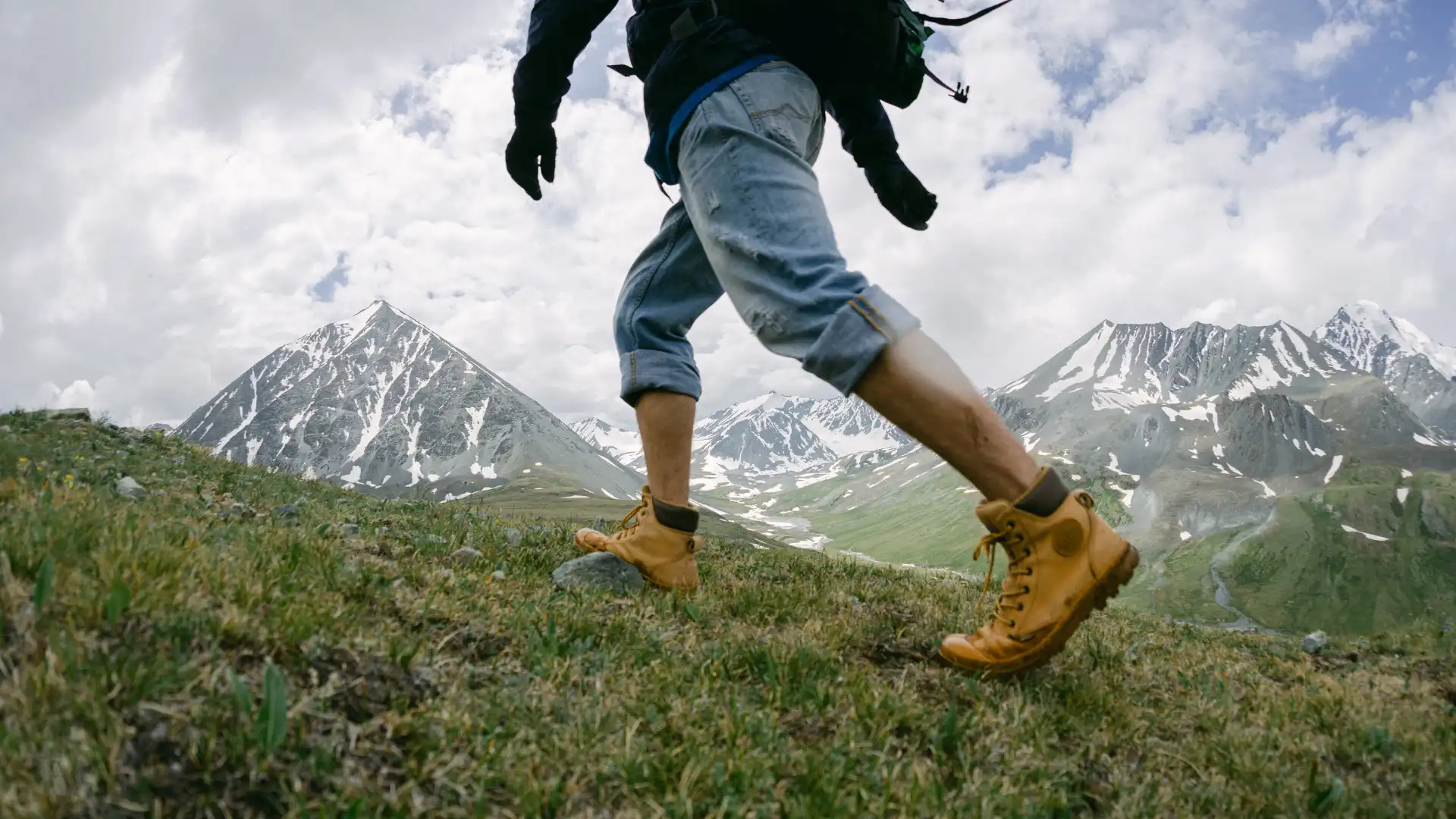
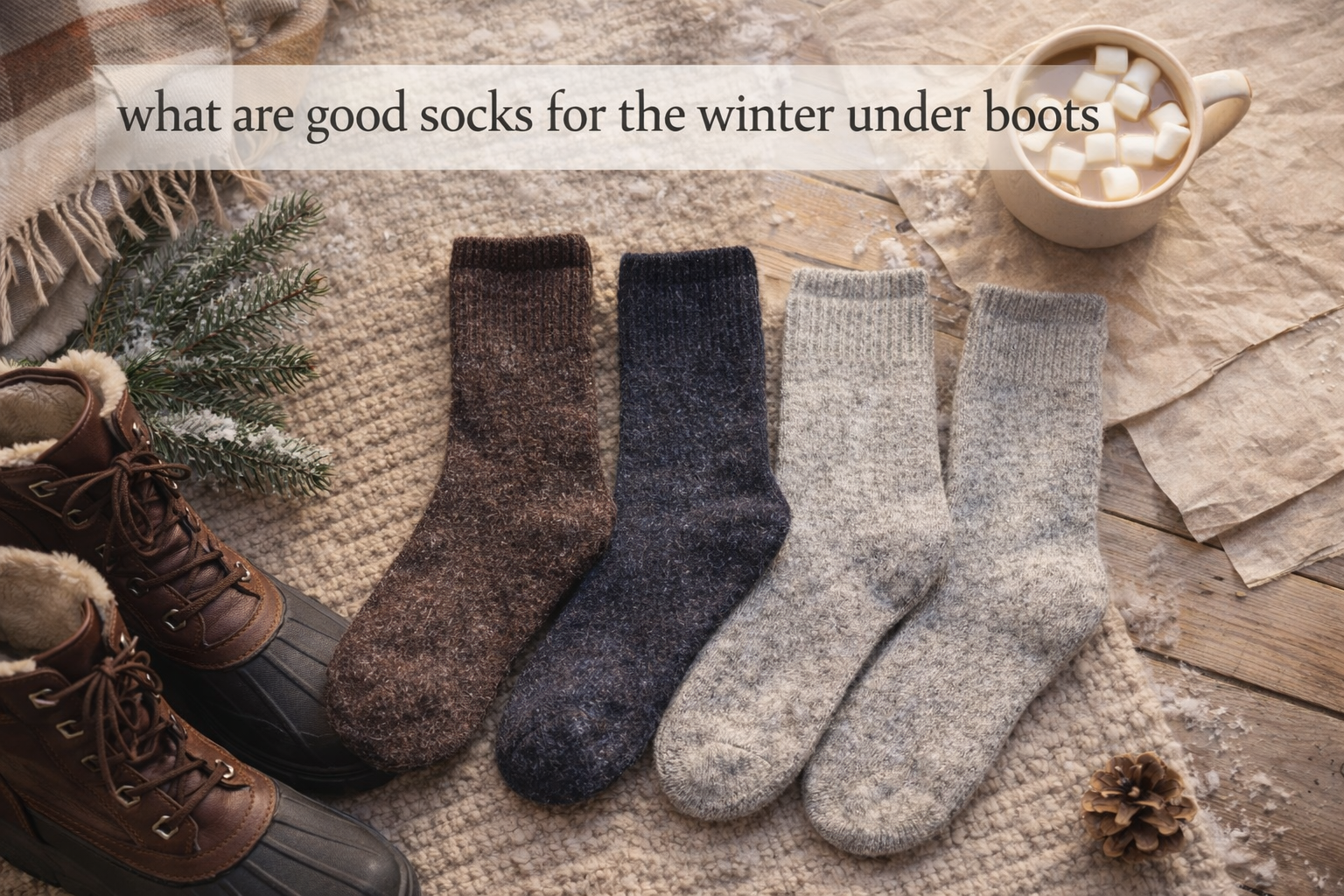
Cold feet can ruin everything: the dog walk you were looking forward to, the commute you already don’t love, the weekend hike, even a simple evening outside. And the most frustrating part is that it often happens in “warm” boots, because the problem isn’t just the boot. It’s the sock-and-boot system.
The right winter socks under boots do three things at once: they keep warmth in, move sweat away, and stay put without squeezing your foot. Get any of those wrong and you end up with icy toes, damp skin, rubbing at the heel, or that cramped feeling that makes you want to take your boots off the second you get indoors.
This guide walks you through what actually matters when choosing good socks for winter under boots, so you can buy once and step into winter with confidence.
why thicker isn’t always warmer
Many people assume the warmest sock is simply the thickest sock. In practice, the warmest setup is the one that balances four factors:
- Circulation: Warm blood is your built-in heating system. If your socks or boots are tight, you restrict blood flow and your feet cool down fast.
- Insulation: Trapped air is what keeps heat in. Good winter socks create “loft” without crushing your foot.
- Moisture control: Sweat cools skin, and wet fabric loses insulating power. Even in freezing weather, feet can sweat inside boots.
- Cold transfer from the ground: Standing still on cold pavement, snow, or ice pulls heat away through the sole.
Here’s the key insight: a sock that makes your boot feel snug can make you colder, even if it’s a premium “winter” sock. If your toes can’t wiggle or the top of your foot feels compressed, you’re likely losing the circulation battle.
If you’ve been layering thicker socks and still getting cold, consider this your sign to check fit first, then insulation.
The best materials for winter boot socks and what to avoid
When you’re choosing socks for winter under boots, fabric matters because it affects warmth, drying speed, odor, and comfort.
Merino wool and wool blends are the winter sweet spot
For most people, merino wool boot socks usually blended with nylon and a little elastic are the best all-around option. Wool helps regulate temperature, stays warm even when slightly damp, and tends to resist odor better than many synthetics.
Blends are often a good thing under boots. A touch of nylon improves durability and helps socks keep their shape. A small amount of elastane helps them hug the foot without sliding down.
Consider trying wool or merino blends if your current socks feel warm for the first 15 minutes but turn clammy later, that’s often a moisture-management issue, not a “not thick enough” issue.
Synthetic performance fibers can work—especially as liners
Synthetic socks can be excellent at moving moisture, drying quickly, and reducing friction. For people who sweat a lot or walk long distances, synthetics often shine as a base layer.
The trade-off is that some synthetics can hold odor more quickly, and some feel colder once damp than wool. That doesn’t mean “never” .It just means you’ll want to pay attention to how your feet behave on a typical winter day.
Alpaca and other natural fibers
Alpaca socks are often praised for softness and warmth. They can be a great choice if you find some wool itchy. Just keep the same rules in mind: fit and moisture control still matter, and you’ll usually want a reinforcement blend for durability under boots.
Avoid cotton as your main winter boot sock
Cotton absorbs moisture and tends to stay wet. Inside winter boots, that can turn into a cold, soggy feeling that invites blisters and chills. If you want comfort, choose wool-blend “cozy” socks rather than cotton-heavy ones, your feet will thank you halfway through the day.
Sock thickness & cushioning: choose the warmest sock your boots can actually handle
A “good winter sock for boots” isn’t one universal thickness. The best thickness depends on boot volume, activity level, and how cold it is.
In most sock lines, you’ll see weights roughly like this:
- Lightweight: Best for snug boots, higher activity, or milder winter days. Often warm enough when paired with a solid boot and good circulation.
- Midweight: The most versatile choice for daily winter wear. Warmth plus cushioning without excessive bulk.
- Heavyweight / expedition: Great for roomy boots, slow-paced outings, or long periods standing still—but easy to overdo in everyday boots.
A practical way to choose: with your boots on and fully laced, you should be able to wiggle your toes freely and feel no pressure across the top of your foot. If the sock feels luxurious but your boot suddenly feels “tight,” you’re probably losing warmth overall.
Many readers find it helpful to buy two thicknesses: a midweight pair for most days and a heavier pair for truly cold, low-movement situations. That way you’re not forcing one sock to cover every scenario.
The liner add outer sock system: when double socks help and when they don’t
Wearing two socks can be incredibly effective in winter boots but only if the system is designed correctly.
Why layering works
A thin liner sock under a thicker outer sock can:
- reduce friction (helpful for blister prevention)
- move moisture away from your skin
- add insulation without needing one ultra-thick sock
This approach is popular among hikers and people who spend long days in boots because it keeps the “skin layer” drier and more stable.
How to build a comfortable two-sock setup
A good winter layering combo typically looks like this:
- Liner sock: thin, smooth, moisture-wicking (synthetic or thin merino). It should fit like a second skin with no wrinkles.
- Outer sock: thicker wool-blend boot sock with cushioning and warmth.
Your boots must still fit comfortably with both socks on. If you add a liner and then crank your laces tighter to compensate, you’re likely undoing the circulation advantage.
If you’re curious about trying a two-sock strategy, a simple first step is to test it at home for an hour. Walk stairs, squat, and move around. If you feel toe pressure or any bunching, adjust the thickness before you commit to a long day out.
When you should not double up
Skip the double-sock approach if:
- your boots are already snug with one sock
- you feel pressure on your toes or the top of your foot
- the outer sock slips or wrinkles (wrinkles under boots are blister factories)
In those cases, you’ll often do better with one well-fitting midweight wool-blend sock rather than two layers fighting for space.
Fit matters more than brand: what “good winter boot socks” feel like
The best socks for winter under boots have a specific feel: secure, smooth, warm, but never tight.
Do this before you buy multiples
With your boots on:
- Your toes should move easily.
- You shouldn’t feel the sock “pressing” into the top of your toes.
- There should be no numbness after 10–15 minutes.
If you can’t pass this test, don’t talk yourself into it. Tight winter boots are a fast track to cold feet.
Stay-up power without strangling your calf
Winter boot socks should come above the top of the boot to prevent rubbing and to keep the boot collar from chafing. Look for a cuff that stays up without leaving deep marks.
If you have larger calves, a sock that’s “too supportive” can become uncomfortable over a long day. In that case, consider socks marketed as comfort-top, wide-calf, or simply choose a less compressive knit.
Don’t ignore boot volume (it’s the hidden deal-breaker)
Some boots are built for thin socks; others have room for thick cushion. That’s why a sock your friend raves about can feel terrible in your boots.
A smart move is to take your boots with you when you shop, or order a single pair in two thicknesses first. Many people find they save money long-term by testing fit before stocking up.
Match your socks to how you actually wear winter boots
The best winter boot sock for you depends less on the label and more on your day.
For commuting and everyday city walking
If you’re moving in and out of heated buildings, you’ll often do better with midweight wool-blend socks rather than the thickest option. Overheating leads to sweat, and sweat leads to chill later.
If your feet tend to run hot, consider trying a slightly lighter merino sock that still has cushioning at the heel and toe. You may be surprised how warm “not super thick” can feel when your boots aren’t compressing your foot.
For long walks, travel days, and “soft hiking”
When you’re walking for hours, friction and moisture become big. This is where a liner + outer sock setup shines, or a single sock with a smooth interior and a secure heel pocket.
Also consider sock height.A sock that peeks above chunky boots isn’t just a style detail, because it reduces rubbing and often feels more stable, which matters when you’re covering miles.
For standing still in the cold including spectator sports, outdoor work, shoveling
This is the scenario where people most often complain, “My boots are warm but my feet still freeze.” Standing still increases heat loss to the ground and reduces circulation compared to walking.
Here, a heavier sock can help,but only if it doesn’t make your boots tight. If you’re routinely in this situation, you may want to explore a roomier winter boot fit, a warmer insole, or simply reserving your thickest socks for your roomiest boots.
If you bring a dry backup pair. Swapping socks halfway through a cold, stationary day can feel like turning the heat back on.
How to keep winter socks warm, dry, and comfortable
Great winter socks are an investment in comfort, and a little routine makes them last longer.
Rotate pairs so the elastic can recover and the fibers can fully dry between wears. If you’re out all day, consider carrying a spare pair in your bag especially if you sweat, step in slush, or spend time indoors and outdoors.
Washing matters too. Gentle washing and avoiding excessive heat in drying can help socks keep their shape and softness. And if you camp, travel, or spend nights in cold places, it’s worth keeping one pair as “sleep socks” that stays dry and clean.Because dry socks at night can make the whole next day feel easier.
Conclusion
- Warm feet start with circulation: the warmest sock is the one that doesn’t make your boots tight.
- For most people, merino wool or wool-blend boot socks are the best choice for winter under boots.
- Avoid cotton as your main winter sock material; moisture is the enemy of warmth.
- Choose the warmest thickness your boots can comfortably fit, with free toe wiggle and no pressure across the foot.
- A liner + outer sock system can improve warmth and reduce blisters, but only if your boots still fit well.
- If you’re cold while standing still, don’t just go thicker, also consider dry backups, warmer insoles, and boot volume too.