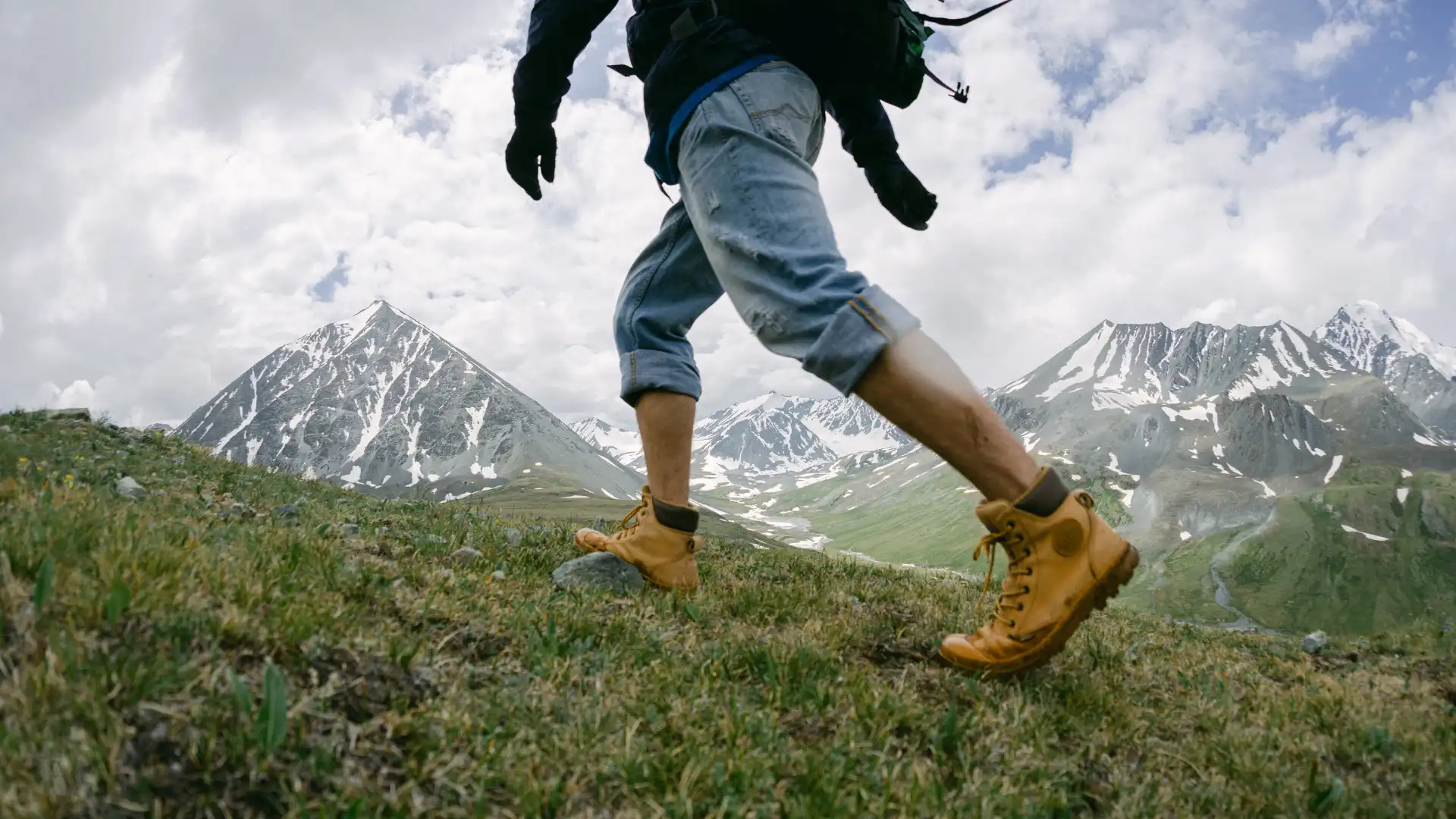

If your boots feel stiff, your toes get cold, or your heels blister after a few miles, your socks are almost always the missing piece. The right pair makes boots feel broken‑in from day one, keeps sweat under control, and quietly supports you from commute to campsite. The wrong pair turns even premium boots into foot prisons. This guide cuts through the guesswork so you can match socks to every boot in your closet comfortably, confidently, and without wasting money.
Before we dive into details, here’s the quick answer many readers want:
- Cowboy and Western boots: over‑the‑calf, medium‑thin merino or performance blend with reinforced heel/toe.
- Hiking and work boots: crew to mid‑calf, moisture‑wicking, targeted cushioning; choose thickness based on boot volume.
- Chelsea and dress boots: fine‑gauge crew, smooth toe seam, light arch support.
- Ankle booties: no‑show or micro‑crew that won’t peek, grippy heel tab to prevent slip.
- Ski and snowboard boots: thin, knee‑high technical socks; one pair only, no layering.
- Rain/winter pac boots: taller socks that manage moisture; medium cushion to prevent rub.
Keep reading for the “why” and how to get a glove‑like fit with any boot.
The simple formula for perfect boot–sock pairing
Great boot socks do three things at once: manage moisture, manage friction, and manage fit. Use this quick formula each time you lace up:
- Boot type sets sock height. Your sock should extend at least one inch above the boot shaft to prevent rubbing.
- Climate and activity set fabric and thickness. Warmer, sweatier conditions call for moisture‑moving knits; cold, stop‑start days need warmth that still breathes.
- Foot shape and boot volume set cushioning. Thick socks don’t fix a poor fit; they can choke circulation. Choose the thinnest sock that feels supportive and eliminates hot spots.
Materials that matter
- Merino wool: The gold standard for comfort across seasons. It wicks, regulates temperature, and resists odor naturally. Modern merino socks are blended with nylon/elastane for durability and stay‑up power. Choose merino-rich crews for hiking, dressy merino crews for Chelseas, and merino knee‑highs for ski days.
- Performance synthetics: Polyester, nylon, and polypro move moisture quickly and dry fast. They shine in high‑sweat activities and hold up well to frequent washing. Look for ventilation panels on the instep and mesh zones that keep heat from building under the laces.
- Cotton: Comfortable on the couch, problematic in boots. Cotton traps moisture, collapses under pressure, and stays damp, creating prime conditions for blisters and chills.If you love the feel, reserve cotton for short, low‑sweat wear with ankle booties and fair weather only.
- Alternatives: Alpaca and silk blends can be luxuriously warm at light weight. Bamboo‑derived viscose feels soft and breathable but relies on blends for durability and wicking.
Sock height: where comfort starts
- No‑show and low‑cut: Best with ankle booties when you want a clean look. Prioritize heel tabs with silicone grips and a deep heel cup so the sock doesn’t slide under your foot.
- Crew (mid‑calf): The do‑it‑all height for hikers, trail shoes, work boots, and Chelseas. Crew socks protect the ankle bones and lower calf where collars and pull tabs can rub.
- Over‑the‑calf/knee‑high: The right call for cowboy boots, ski boots, tall rubber boots, and any boot with a rigid shaft. A tall sock eliminates shaft chafing and holds securely under movement.
Styling tip: When you want socks to show, choose a ribbed knit in a solid neutral or a subtle contrast color. Let 1–2 inches peek above a hiking or combat‑style boot. For Chelseas with trousers, pick fine‑gauge crews that match your pants for a seamless line.
Cushioning and thickness: warmer isn’t always thicker
Cushioning should protect pressure points without stealing space from the boot’s interior. Here’s how to think about it:
- Light/ultralight: Best if your boots already fit snugly. Light socks keep toes warm by preserving blood flow and reducing sweat buildup. This is the sweet spot for ski socks, many dress boots, and already‑dialed hiking boots.
- Light‑medium with targeted zones: Adds just enough padding at heel, toe, or shin to head off hot spots. Ideal for day hikes, shop floors, and steel‑toe boots.
- Full cushion: Useful in colder conditions and roomier winter boots, or when standing on cold concrete all day. If full-cushion socks make your boots feel tight, you should downshift. Reduced circulation makes feet colder, not warmer.
About compression socks: Mild compression can reduce fatigue for long travel days or standing shifts, but choose a boot‑friendly, thin knit with a smooth toe seam. Avoid bulky medical‑grade compression under snug boots; it can create pressure ridges and hot spots. If you need therapeutic compression, size your boots accordingly.
By boot type what actually works
Cowboy and Western boots
The tall shaft and minimal ankle padding make shaft rub the number‑one complaint. Choose over‑the‑calf socks in a medium‑thin merino or synthetic blend with:
- Reinforced heel/toe to handle the stiff counters.
- A wide, non‑binding top welt so socks don’t slide or pinch.
- Smooth, low‑profile toe seams to protect pointed toes.
If your socks creep down, look for ribbed legs and an elastic arch band. Many riders prefer a touch of shin padding; it softens contact without bulking the footbed.
Hiking and work boots
For all‑day wear, moisture control plus targeted cushioning beats thick fluff. A crew or mid‑calf sock with heel/toe reinforcement, vented instep, and light arch support keeps feet stable. On steep climbs or when carrying loads, a light shin cushion prevents tongue bite. Industrial environments or steel toes benefit from extra toe durability and a snug heel to prevent in‑boot friction.
Chelsea and dress boots
Sleek lasts and close collars reward fine‑gauge socks. Opt for smooth, dress‑weight crews: merino or high‑tech blends with a seamless toe and light compression through the arch. They slip in cleanly, won’t wrinkle, and keep the boot silhouette crisp under trousers. If your Chelseas feel loose at the heel, a lightly cushioned dress sock often solves the slip.
Ankle booties and fashion boots
For a bare‑ankle look, wear deep‑heel no‑shows engineered for movement. For skirts or cropped jeans, a micro‑crew rib adds a deliberate, styled pop above the collar. If the boot’s lining is rough, prioritize a slightly taller sock that protects the ankle bones.
Ski and snowboard boots
Counterintuitive but true: thin wins. Technical, knee‑high socks with minimal cushion preserve circulation, prevent wrinkling, and help the boot liner grip your foot correctly. Wear only one pair, because layering creates folds and pressure points. Don’t tuck base layers into your boots; end thermal pants above the top of the sock to keep the cuff smooth.
Rain boots and winter pac boots
Waterproof shells trap humidity. Choose taller socks that pull moisture off the skin and dry quickly. Medium cushion reduces “clammy” feel and fills extra space common in pac boots. In deep winter, pair warm socks with a breathable liner in the boot rather than doubling socks.
Construction details that keep you blister‑free
Small design choices have big comfort payoffs:
- Seamless or flat‑linked toe closures reduce rubbing across the nail bed.
- Reinforced heel pockets reduce fabric collapse and keep the sock anchored.
- Ribbed legs and a wide top welt keep tall socks up without tourniquet marks.
- Zoned mesh atop the foot vents heat under laces and speed drying.
- An elastic arch band adds gentle midfoot support and limits in‑shoe migration.
If you’re sensitive to pressure, avoid thick terry loops across the instep; they can create ridges under tight laces. A smoother knit there feels better over long hours.
Why your socks keep sliding down and how to fix it
- Size: Socks that are too large will pool at the heel and creep downward. Choose the correct size for your shoe.
- Fiber fatigue: Elastane breaks down over time, especially with high heat drying. If your favorite pair won’t stay up, it’s likely time to replace them.
- Shaft mismatch: Short socks under tall, rigid shafts lose the battle. Step up to crew or over‑the‑calf so the top welt rides above the boot.
- Skin moisture: Damp skin increases friction that drags socks down as you move. Look for wicking fibers and ventilated zones if you tend to sweat.
Style without the blisters
Boot socks can be part of your outfit instead of something you hide. With rugged boots, show a hint of ribbed cuff in a color that echoes your shirt or bag. With Chelseas, match socks to trousers for leg‑lengthening polish. For western looks, a tonal over‑the‑calf sock avoids visual clutter while protecting the calf. And on casual days, a marled crew peeking above a hiker adds texture without shouting.
Care, longevity, and value
Treat good socks like the performance gear they are and they’ll outlast cheaper pairs:
- Wash inside out on cool to protect fibers and flush salt from the knit.
- Skip fabric softeners; they coat fibers and reduce wicking.
- Tumble low or air‑dry to preserve elastane. Heat is the enemy of stretch.
- Rotate pairs; giving elastic a day off between wears helps them recover.
When to replace: persistent sagging, thinning under the ball of the foot, or a roughened toe seam you can feel through the boot are clear signals. Consider investing in two or three “workhorse” pairs you can wear hard rather than a drawer of mediocre socks that disappoint.
Common mistakes to avoid
- Doubling socks to “fix” fit. This creates wrinkles and pressure points; adjust boot fit instead or choose targeted cushioning.
- Choosing thick cotton for warmth. It traps sweat and chills feet as soon as you stop moving.
- Wearing short socks with tall shafts. You’ll trade a clean look for rub marks and irritation.
- Ignoring the toe seam. A bulky seam in a tight toe box is a blister factory.
- Tucking long underwear into ski boots. It creates a ridge that restricts circulation.
A 30‑second fit check before you head out
- Put on your chosen socks and boots.
- Stand and rock forward on your toes; you should feel no tight band across the instep.
- Wiggle your toes; they should move freely without the sock seam pressing on the nails.
- Walk 20 steps; there should be no heel lift and no bunching under the arch.
If any box fails, adjust sock height or cushioning before blaming the boot.
Conclusion
The best socks for your boots are tall enough to clear the shaft, thin enough to keep blood flowing, and built from moisture‑moving fibers that stay smooth inside the boot. Merino and modern synthetics beat cotton for most boot wear. Match cushioning to boot volume, not to the weather: plenty of warmth comes from maintaining circulation, not piling on thickness. Cowboy and western boots thrive with over‑the‑calf merino blends; hiking and work boots are happiest with crew‑height, targeted cushioning; Chelseas prefer fine‑gauge crews; ankle booties do best with engineered no‑shows; ski boots demand thin, knee‑high technical socks. Avoid layering socks, baby the elastic in the wash, and replace pairs once they sag or thin. Your reward is an immediate upgrade in comfort, fewer blisters, better temperature control and boots you’ll actually look forward to wearing.
Start with one high‑quality pair that fits your most‑worn boots, then build a small rotation that matches your week: a tall merino for western or winter wear, a breathable crew for work or hikes, and a fine‑gauge dress crew for Chelseas. Try them on today and your feet will tell you you chose well.