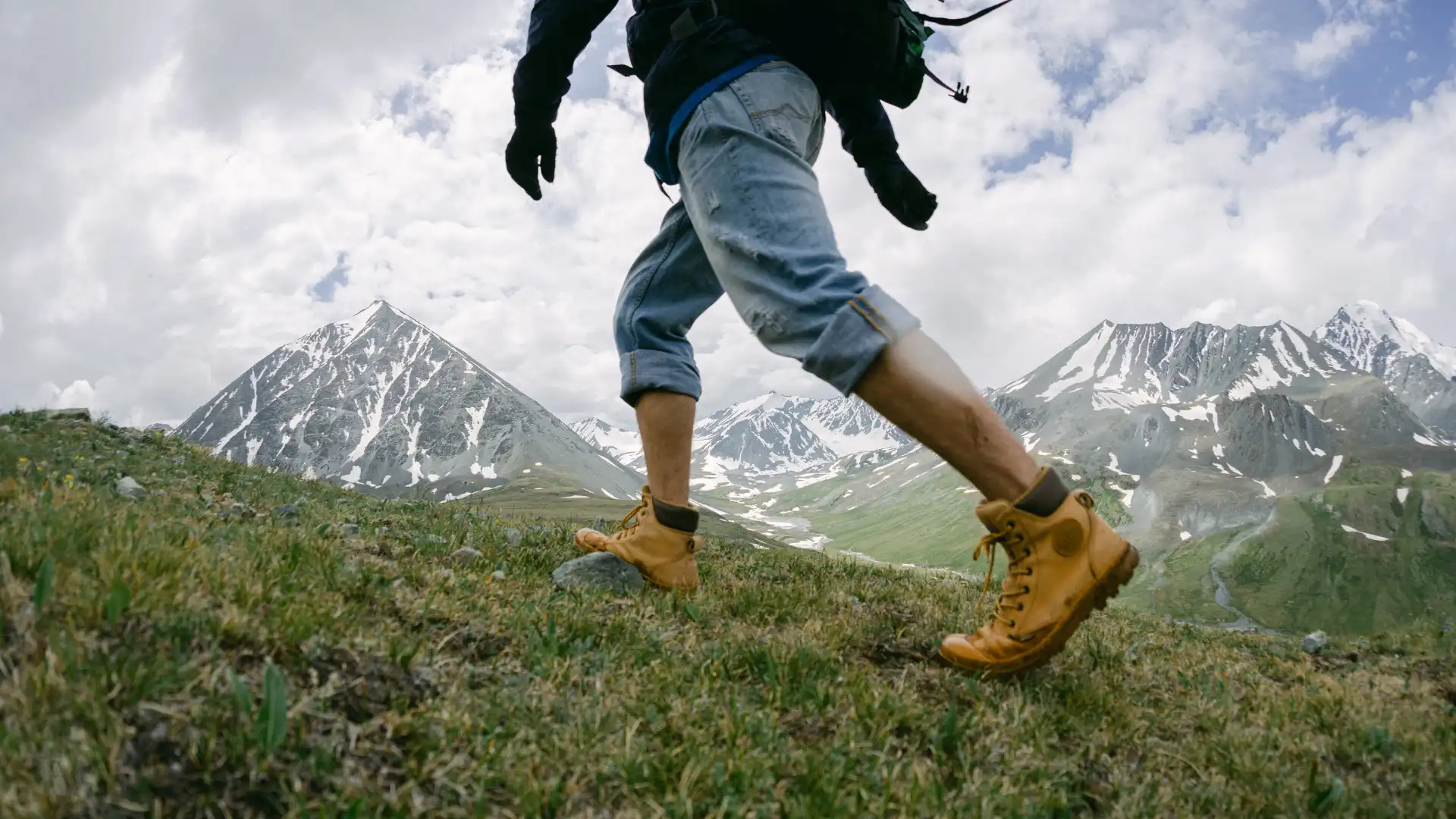
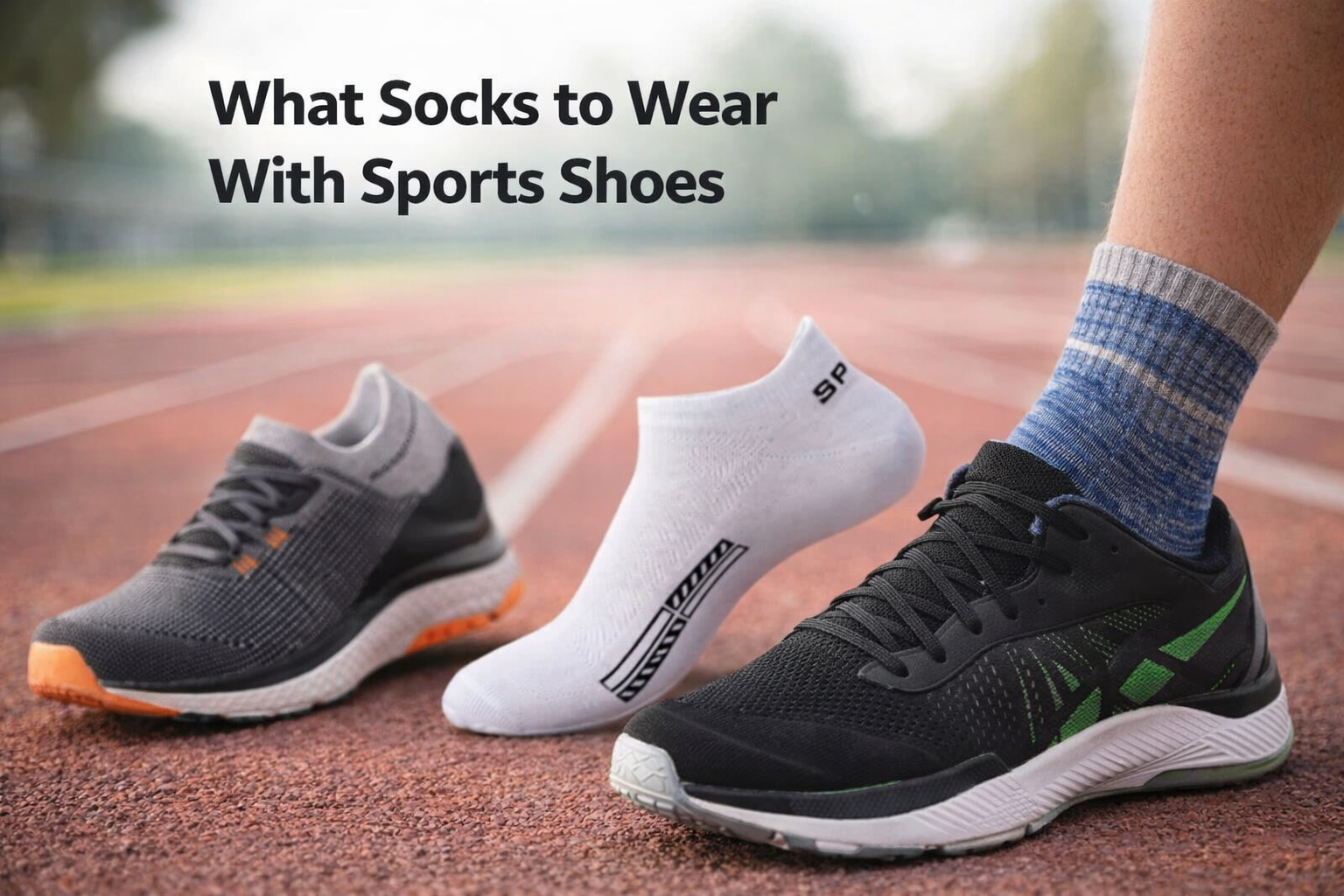
If your sports shoes feel “off. They might slip at the heel, rub your toes, get swampy mid-workout, or leave you with blisters. You don’t necessarily need new shoes. Often, the problem is the socks.
The right socks act like the missing interface between your foot and your shoe: they manage sweat, reduce friction, stabilize fit, and soften impact. The wrong pair can undo everything your shoes are designed to do, especially in running shoes, court shoes, and training sneakers where your feet are constantly accelerating, braking, and changing direction.
This guide will help you choose the best socks to wear with sports shoes based on your sport, shoe type, and comfort priorities. So you can move better, stay blister-free, and actually enjoy the shoes you already own.
The real job of a sock in a sports shoe
Most people think socks are just about coverage. In sports shoes, they’re equipment.
A good pair does four things well:
First, it reduces friction. Blisters don’t come from rubbing alone, they come from rubbing plus heat, usually made worse by moisture. Socks that fit properly and stay put dramatically cut down on “hot spots.”
Second, it manages sweat. Sports shoes trap heat. If your socks hold moisture, your skin softens and becomes easier to irritate. Moisture-wicking fibers help keep the surface of your foot drier, which usually means fewer blisters and less odor.
Third, it fine-tunes shoe fit. A sock that’s too thick can make a perfectly sized shoe feel tight and numb your toes. A sock that’s too thin can make a slightly roomy shoe feel sloppy. This is why many experienced runners and gym-goers treat sock choice like part of shoe sizing.
Fourth, it adds strategic protection, with padding where you land, support where you fatigue, and coverage where your shoe collar might chafe.
If you’ve been dealing with recurring discomfort, consider changing your socks before changing your shoes. It’s one of the simplest upgrades with the biggest day-to-day payoff.
How high should socks be with sports shoes when considering sock height
Sock height matters for both comfort and function. Your sock should be at least as high as the part of the shoe that touches your skin, otherwise the shoe collar can rub directly on you.
Here’s how the most common sock cuts work with sports shoes:
- No-show socks sit below the collar for a “sockless” look. They can work for casual sneakers, but for training and running they’re only comfortable if they have reliable heel grip and enough coverage to protect the back of your foot.
- Ankle socks rise to the ankle bone. They’re a popular middle ground for gym shoes and everyday running because they feel minimal without leaving your heel exposed.
- Quarter socks (also called mini-crew) sit just above the ankle. Many athletes love this height because it protects the Achilles area and helps block debris on outdoor runs without feeling bulky.
- Crew socks reach mid-calf. They’re excellent for basketball shoes, court shoes, and anyone who wants more coverage, more stability, and fewer ankle/collar rub issues.
- Knee-high/compression socks extend to just below the knee. These are niche for performance, but common for recovery, long runs, colder conditions, or athletes who like calf support.
A practical way to choose: if you’ve ever finished a workout with a red line where your shoe collar hits, move up at least one sock height. Many people are surprised how often that single change fixes the problem.
Fabric choices what to avoid and what to look for instead
For sports shoes, fabric isn’t a style detail, it’s a performance feature.
Cotton is the most common mistake. Cotton absorbs sweat and holds onto it, which tends to increase friction and keeps your feet feeling damp. That dampness also encourages odor over time.
For most workouts, look for socks made from synthetic blends or merino wool blends.
Synthetic performance socks are popular because they dry fast, resist abrasion, and hold shape well, especially if the sock has targeted stretch zones. Merino wool is a favorite for runners and hikers because it manages temperature surprisingly well and tends to resist odor, even when you sweat.
Don’t get hung up on a single “best” material. Instead, prioritize the outcomes you want:
- If you run hot or sweat heavily, lean toward breathable, quick-drying synthetics.
- If you want odor resistance and comfort across temperature swings, try merino blends.
- If you have sensitive skin, look for smooth, flat seams and soft yarns. Itchy or bulky stitching can become a problem fast inside a snug sports shoe.
If you’re upgrading your sock drawer, start with one pair in a material you’ve never tried (like a merino blend). Many people find it’s the difference between “I tolerate my shoes” and “I forget about my feet entirely.”
Cushioning, thickness, and fit (the part most people get wrong)
Cushioning is helpful until it changes the fit of your shoes.
A thick, plush sock can feel amazing standing still, but in a properly fitted sports shoe it may crowd your toes, reduce circulation, and increase pressure on toenails. On the other hand, an ultra-thin sock in a slightly roomy shoe can let your foot slide and shear, which is a classic blister setup.
Instead of thinking “thin vs thick,” think targeted cushioning and stable fit.
The best athletic socks usually add padding in high-impact zones without turning the whole sock into a sponge. They also tend to have an anatomical shape with a defined heel pocket and supportive arch band, so the fabric doesn’t twist or bunch.
Before you buy multiple pairs, do a quick reality check: put on your sports shoes with the socks you actually plan to wear for your workouts. Walk briskly, do a few calf raises, and make a couple of quick direction changes. If you feel toe pressure, you likely need a thinner sock or more shoe volume. If you feel sliding, you likely need a more secure sock or slightly more thickness.
That small test saves a lot of money and a lot of blisters.
The best socks to wear with different sports shoes
Choosing the best socks for different sports shoes, including running, cross-training, basketball, court, and trail footwear, depends on matching sock height, fabric, and fit to each activity’s specific movements, terrain, and comfort needs.
Running shoes (road and treadmill)
For most runners, the “sweet spot” is a quarter sock or ankle sock in a moisture-wicking synthetic or merino blend, with light-to-moderate targeted cushioning.
If you’re prone to blisters, focus less on adding thickness and more on preventing movement. A sock that hugs your arch and locks the heel in place is often more effective than simply going thicker.
If you’re training for longer distances, consider trying a slightly more cushioned version of your usual sock. Many runners find that extra underfoot padding reduces fatigue late in runs, without changing shoe fit dramatically.
Cross-training and gym shoes
Gym workouts usually include lateral movement, pivots, and short bursts, so stability matters. A great choice is an ankle or quarter sock with a secure arch band and enough structure to prevent sliding during squats, lunges, and agility work.
If your heel slips in no-show socks, don’t fight it. Move up to ankle or quarter height and look for a sock with a deeper heel pocket and better elastic recovery. Many people also prefer a slightly denser knit here because it feels more planted during strength training.
Basketball shoes and other high-tops
High-tops and mid-tops tend to pair best with crew socks. The extra height protects your ankles and lower leg from collar rub, and the sock is less likely to slide down during repeated jumps and hard cuts.
Look for cushioning in the heel and forefoot, plus a smooth toe seam. Basketball-style movement creates repeated shear forces inside the shoe, so a sock that stays perfectly aligned is worth more than a sock with flashy thickness.
If you’re getting irritation right where the tongue or collar hits, crew socks are often the quickest fix.
Tennis, pickleball, and court shoes
Court sports are hard on socks because of constant side-to-side movement. Choose an ankle, quarter, or crew sock based on comfort with a secure fit and durable fibers, and nylon blends often shine here because they resist abrasion.
A little extra cushioning in the forefoot can help, since many players load the front of the foot during quick stops and starts. But again, don’t let cushioning make the shoe feel cramped. Court shoes should feel locked-in, not squeezed.
If you play outdoors, quarter socks can also help reduce the “sand and grit” problem by covering the area where debris likes to sneak in.
Trail runners and hiking-style sports shoes
Outside, protection becomes more important. Quarter socks are a favorite because they help block debris and reduce collar rubbing on uneven terrain. If you’re in brushy areas or colder weather, crew socks can be even more comfortable.
Fabric matters more on trails because conditions change: sweat, mud, water crossings, temperature swings. Many trail athletes lean toward merino blends for comfort and odor control, while others prefer synthetics for faster drying.
If you’ve ever finished a trail run with gritty socks, consider trying quarter height plus a shoe gaiter or at least a sock with a snug cuff. It’s a small change that makes outdoor miles feel cleaner and calmer.
Solve the most common sock-and-sports-shoe problems
If you want a fast win, match the symptom to the fix:
If you get blisters on the heel, your sock is probably slipping, your shoe collar is rubbing, or both. Try a more secure knit and consider moving from no-show to ankle or quarter height.
If you get blisters on toes or the ball of the foot, you may have excess fabric bunching, a seam that rubs, or too much internal movement. Prioritize a smooth toe seam and a snug fit. If your toes feel crowded, go thinner rather than thicker.
If your socks slide down, it’s usually worn elastic, the wrong size, or a cut that’s too low for your foot/shoe combo. Many people fix this instantly by switching to quarter socks without changing anything else.
If your feet smell even after washing, look at moisture management and rotation. Wear performance fabrics, let shoes fully dry between sessions, and consider a merino blend if odor is a recurring frustration.
If your shoes suddenly feel too tight, check whether you changed sock thickness. This happens all the time when people buy cushioned athletic socks after wearing thin casual socks.
If you only change one thing this week, change the sock cut or fabric that’s directly connected to your biggest annoyance. Small, targeted fixes beat “new everything” purchases.
Smart sock features that are worth it and when to skip them
Some sock features are genuinely helpful, but others are only helpful for the right person.
Compression socks can feel supportive during long efforts or after tough sessions, and many athletes like them for travel and recovery. Performance benefits vary from person to person, but comfort benefits are real, especially if you deal with calf tightness or swelling. If you’re curious, try them on an easy day first and see how your legs respond.
Toe socks can reduce skin-on-skin friction between toes, which is a common blister zone for some runners and hikers. They’re not for everyone, but if you regularly blister between toes, they’re worth exploring.
Double-layer anti-blister socks can help sensitive feet by reducing friction at the skin. They can feel warmer, though, so they’re often better for cooler weather or blister-prone long days rather than hot, intense workouts.
“Grippy” socks are useful in specific settings like certain gym classes or indoor training, but inside a typical sports shoe you usually want stability without excessive stickiness. A well-fitted sock should stay put without relying on rubberized grips.
A good approach: add one “specialty” pair only after you’ve nailed the basics. Most comfort problems are solved there.
Care, rotation, and when to replace your athletic socks
Even the best socks stop performing when they’re worn out.
If the cuff is loose, the arch feels relaxed, or the heel pocket twists, you’ll get more movement and more friction. If the cushioning is flattened, impact feels harsher and the shoe may start to feel less forgiving.
Wash socks in a way that preserves elasticity: gentle cycles help, and excessive heat can shorten lifespan. Let them fully dry before storing. And if you train often, rotating multiple pairs isn’t a luxury, it’s how you keep each pair working like it should.
Many people don’t realize how much “old sock stretch” affects shoe feel until they put on a fresh pair and suddenly everything feels locked-in again.
Conclusion
Choosing socks to wear with sports shoes comes down to comfort, fit, and the demands of your sport, not just whatever is on top of the drawer.
- Sock height should protect you from shoe-collar rubbing; quarter and crew socks solve more problems than most people expect.
- Avoid cotton for workouts. Moisture-wicking synthetics or merino blends usually mean less sweat, less odor, and fewer blisters.
- Cushioning helps, but only if it doesn’t make your shoes feel tight. Targeted padding plus a stable fit is the goal.
- Match sock style to your sport: secure, supportive knits for training and court sports; reliable moisture management and smooth seams for running.
- If you keep getting the same blister in the same spot, treat it as a sock/shoe “movement” issue first, then adjust cut, fit, or fabric.
The next step is simple: pick one workout you do most, choose a sock style that matches it, and try it for a week. Once your feet feel better, everything else about training gets easier, and you’ll wonder why you waited so long.