
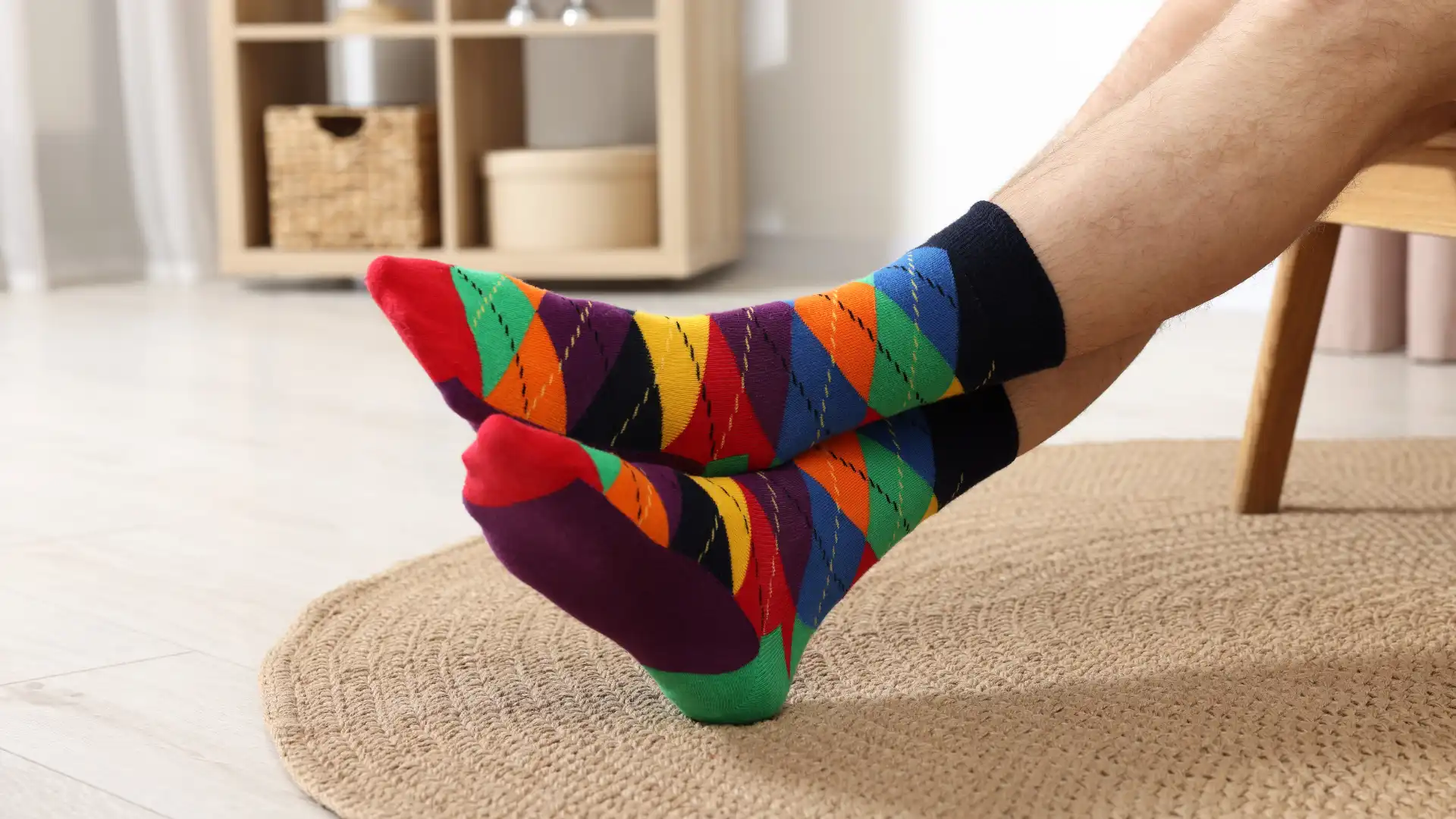
If you peel off your shoes and get a whiff of something… aggressive, you’re not alone. Smelly socks (and the foot odor that fuels them) are incredibly common and totally fixable. The trick is knowing where the odor actually comes from and tackling the root causes, not just masking the smell with sprays.
This guide explains exactly why socks get smelly, how to pinpoint whether the issue is your socks, shoes, or skin, and the proven steps to eliminate odor for good. Along the way you’ll find simple upgrades many readers choose—like switching sock materials or rotating shoes—that make a big difference without feeling like a full-life overhaul.
Why are socks smelly? The science in plain English
- Sweat itself is mostly odorless. Your feet, however, have more sweat glands than any other body area. In warm, tight, or non‑breathable footwear, that sweat can’t evaporate.
- Skin bacteria and (sometimes) fungus feast on sweat and dead skin. In the process, they release volatile compounds—think short‑chain fatty acids and sulfur compounds—that smell “cheesy,” “vinegary,” or “oniony.”
- The damp, warm microclimate inside shoes lets these microbes multiply. The longer moisture lingers, the stronger the odor that transfers to your socks and shoes.
Common amplifiers:
- Tight, non‑breathable shoes and all‑cotton socks that hold moisture
- Wearing the same shoes daily without full drying time
- Hormonal shifts and stress (teens, pregnancy, high‑pressure days)
- Hyperhidrosis (excessive sweating) or athlete’s foot
Ignoring the problem doesn’t just risk embarrassment; it can lead to stubborn shoe stink, skin irritation, and recurring fungal infections. A few small changes now save you from replacing shoes early and battling odor later.
Is it your socks, shoes, or skin? A quick diagnosis
Before you overhaul everything, isolate the main culprit. Try this:
- The sock test: After a normal day, smell the socks right after removal. Strong odor on the sock suggests sweat management and material are the main issues.
- The shoe test: Leave clean socks on a few hours in a different pair of shoes. If odor appears quickly, the shoe is a reservoir that needs attention.
- The skin check: Itching, peeling, or redness between toes points to fungus (athlete’s foot). Tiny crater‑like pits on the soles can indicate a bacterial condition called pitted keratolysis. These benefit from antifungal/antibacterial care.
Micro‑CTA: Jot down which test “wins”—it guides where to focus first (socks, shoes, or skin) so you don’t waste money fixing the wrong thing.
Quick wins you can do today
- Wash and fully dry: Clean feet daily with mild soap; dry carefully between toes. Moisture left there is prime real estate for odor‑makers.
- Use antiperspirant on feet: A regular, fragrance‑free underarm antiperspirant on clean, dry feet (including between toes) at night can reduce sweat by morning.
- Change socks midday: Keep a spare pair at work, in your gym bag, or in the car. Fresh socks at lunchtime can halve end‑of‑day odor.
- Give shoes air: Remove insoles and let shoes dry in a ventilated spot for 24 hours before re‑wearing. Stuffing with newspaper or using cedar shoe trees speeds drying.
- Target the toe box: Sprinkle a light dusting of foot powder (antifungal if you’re prone to itching) into shoes. Tap out residue before wearing.
- Emergency de‑stink: Place a sachet of activated charcoal, cedar chips, or baking soda in shoes overnight. Consider odor‑absorbing insoles as a low‑cost upgrade.
Micro‑CTA: Set a calendar reminder to rotate shoes—wear pair A today, pair B tomorrow—so each pair fully dries.
The best socks for smelly feet: materials matter
Not all socks behave the same once sweat enters the chat. The right fibers help regulate temperature, move moisture away from skin, and keep odor-causing compounds from building up.
Top performers
- Merino wool: Naturally thermoregulating and moisture‑managing. It pulls sweat off skin, breathes well, and resists odor thanks to its complex fiber structure. Modern merino blends aren’t scratchy and work year‑round.
- Technical blends (merino + nylon/spandex or polyester blends with wicking structures): Durable, fast‑drying, and breathable when knit with ventilation zones.
- Socks with embedded antimicrobial yarns (e.g., silver, copper): Can help manage odor load, especially for all‑day wearers. Look for reputable treatments that are wash‑durable.
What to avoid or use strategically
- 100% cotton for active days: Comfortable but soaks and holds moisture, increasing chill and odor. Fine for low‑sweat lounging; not ideal for work boots, workouts, or hot commutes.
Fit and design details that help
- Mesh panels or ventilated knitting over the instep
- Medium cushioning (too thick can trap heat; too thin may chafe and increase sweat)
- Arch compression to reduce friction and blister risk (less broken skin, fewer bacteria hideouts)
Micro‑CTA: Consider upgrading to a 3–5‑pair rotation of merino or high‑wicking socks for work and workouts. Many readers notice a difference within the first week.
Smart shoe hygiene that actually works
Shoes often hold 80% of the problem. Here’s a practical routine:
- Rotate daily: Aim for 24 hours of dry time between wears. Two everyday pairs beat one expensive pair worn nonstop.
- Remove and refresh insoles: Washable insoles are your friend. If they’re not washable, wipe with a mild soap solution, air‑dry, then dust lightly with powder. Replace every 3–6 months if odor persists or foam stays damp.
- Choose breathable uppers: Leather, mesh, or engineered knits breathe better than fully sealed synthetics. For safety or dress requirements, lean on moisture‑managing socks and post‑wear drying rituals.
- Use cedar or charcoal: Cedar shoe trees help maintain shape and absorb moisture; charcoal inserts absorb odor overnight.
- Deep‑clean schedule: For machine‑washable sneakers, remove laces/insoles, wash on gentle with cold or warm water and enzyme detergent, then air‑dry. Avoid high heat, which can damage glues.
Micro‑CTA: If one pair stays smelly no matter what, retire it from daily rotation and use it only for short, low‑sweat tasks—or replace the insoles to extend its life.
The laundry method that de‑stinks socks
If your socks smell clean‑ish out of the washer but stink as soon as you wear them, tweak your wash routine:
- Turn socks inside out. This exposes skin cells and oils to the detergent.
- Use an enzyme detergent. Enzymes break down the proteins and fats odor‑causing microbes feed on.
- Choose the warmest safe water for the fabric. Warm (not hot) is fine for most synthetics; use cool/wool cycle for merino. Hot is okay for sturdy cotton if the label allows.
- Add an oxygen‑based booster occasionally. Great for deep refreshes; gentler than chlorine bleach.
- Skip fabric softener. It leaves a coating that traps odor and reduces wicking. If you want softness, use wool dryer balls.
- Vinegar rinse option: A small splash of white vinegar in the rinse cycle can help neutralize lingering odors and detergent film.
- Dry thoroughly. Damp socks in a drawer can develop mustiness before the next wear.
Micro‑CTA: Try one “inside‑out + enzyme detergent” wash this week and note the difference after a full day on your feet.
A 7‑Day Odor Reset Plan
Use this short sprint to break the stink cycle fast. Bookmark it for future tune‑ups.
- Day 1: Declutter. Retire holey or chronically smelly socks. Wash the keepers inside‑out with enzyme detergent. Air out all shoes; remove insoles.
- Day 2: Skin reset. After showering, exfoliate soles lightly with a foot file to remove dead skin, then dry thoroughly (between toes!). Apply antiperspirant to feet at night.
- Day 3: Sock upgrade. Wear merino or high‑wicking socks. Pack a spare and swap at midday.
- Day 4: Shoe refresh. Clean insoles; place cedar or charcoal inserts overnight. Rotate shoes.
- Day 5: Optional foot soak. 10–15 minutes in warm water with a 2:1 water‑to‑vinegar mix or a black‑tea soak (tannins can tighten pores). Only on intact skin; skip if you have cuts or eczema. Dry well; apply antifungal powder if you’re prone to itch.
- Day 6: Laundry optimization. Rewash this week’s socks inside‑out; add an oxygen booster. Skip softener.
- Day 7: Review and adjust. Which steps helped most—sock material, midday changes, shoe rotation? Double‑down there for the next month.
Micro‑CTA: Put a small zip bag with a spare pair of socks and travel‑size powder in your work or gym bag. Future‑you will be grateful.
Special considerations: sweaty jobs, sports, teens, pregnancy
- Standing all day or wearing protective footwear? Opt for two sock changes: morning and mid‑shift. Cushioning plus ventilation zones help.
- Athletes: Friction increases sweat and skin shedding. Choose blister‑resistant socks and wash feet immediately post‑workout.
- Teens and pregnant people: Hormonal changes can ramp up sweat. A nightly antiperspirant routine plus breathable shoes makes a noticeable difference.
- Hyperhidrosis: If your feet sweat through socks within an hour, talk to a clinician. Treatments include prescription antiperspirants, iontophoresis (a low‑current therapy), and other options.
When to see a professional
Self‑care usually solves smelly socks. Get medical advice if you notice:
- Odor that persists after 2–3 weeks of diligent care
- Itching, peeling, burning, or cracking between toes (possible fungus)
- Painful, crater‑like pits or white, soggy skin on the soles (possible bacterial overgrowth)
- Excessive sweating that disrupts daily life
- Diabetes, poor circulation, or neuropathy with any foot skin changes
A clinician can recommend targeted antifungal or antibacterial treatments, prescription‑strength antiperspirants, or in some cases in‑office therapies.
The bottom line (and your next step)
Smelly socks aren’t a character flaw—they’re a moisture‑management problem with a straightforward fix. Keep feet clean and dry, rotate shoes, and let your gear do some of the work by choosing socks that wick and breathe. Most people notice meaningful improvement within a week.
If you’re ready for fresher days, start with one small upgrade today: switch to a moisture‑managing sock and rotate your shoes tomorrow. Pair that with the 7‑Day Odor Reset, and don’t miss the relief of pulling off your shoes at night—and smelling nothing at all.
Comment (1)
Thankѕ for your personal marvеlous posting!
I really enjoyed reading іt, you are a great author. I will be sure to
bookmark your blog and definitely will come back very soon. I want to encoսrage you continue yօur
grеat work, have a nice evening!