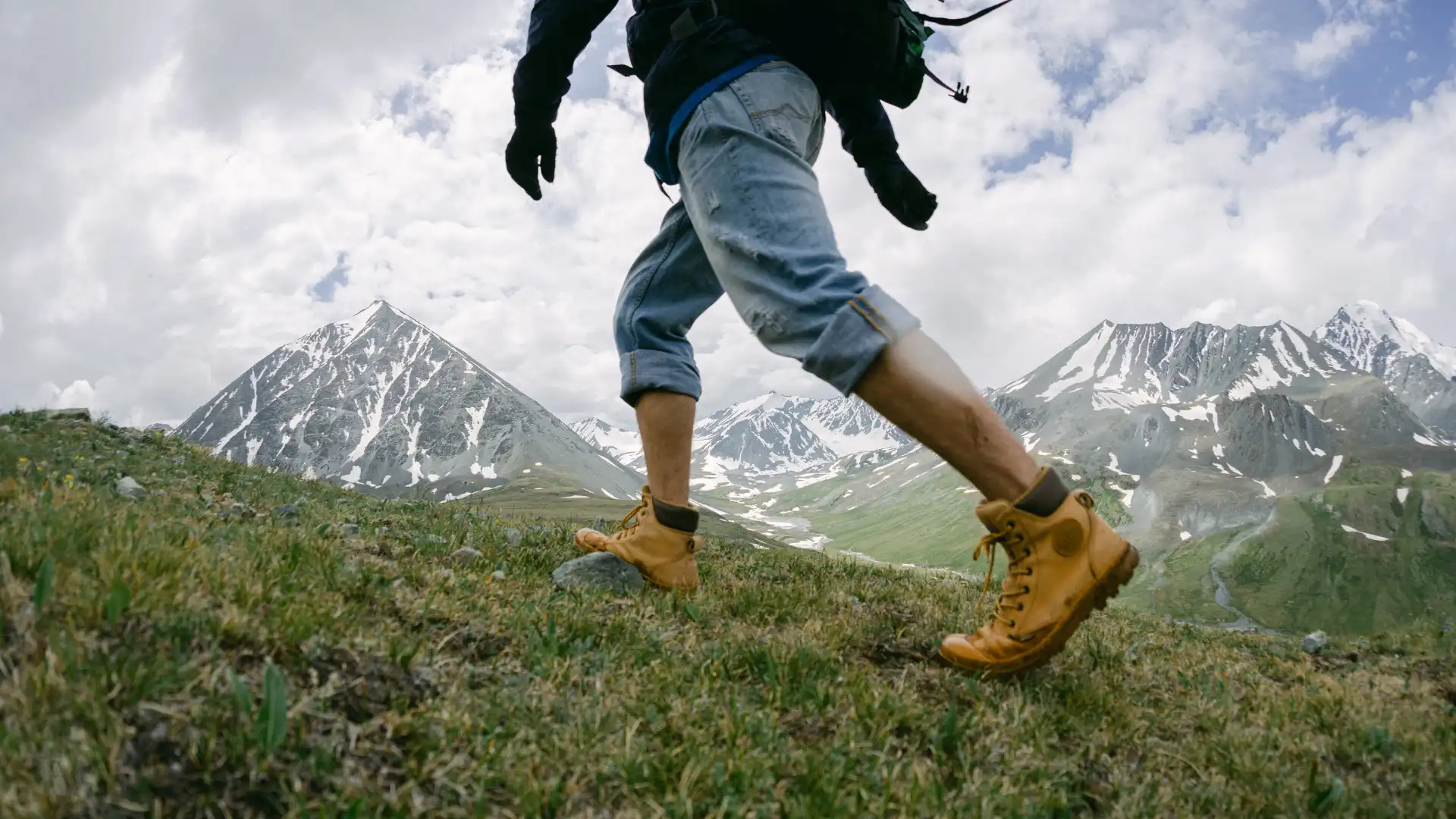

The best walking socks in 2026 are light-cushion merino wool blends for all-season comfort. They prevent blisters, manage moisture, and improve fit better than cotton or basic socks.
If your feet ache, blister, or overheat on daily walks, your walking socks may be the real problem, not just your shoes. The best walking socks are the hidden upgrade that keep heels calm, toes dry, and motivation high. In 2026, fabric blends and knitting technology are better than ever. However, most walkers still choose multipack cotton socks that trap sweat and irritate the skin. This guide fixes that. You’ll learn how to choose the best walking socks for your climate, pace, and footwear, plus which sock types outperform for common problems like sweaty feet, cold toes, or recurring hot spots.
This guide is designed specifically for walking, including neighborhood loops, treadmill sessions, travel days, and long urban treks. If you hike rugged trails with debris or carry heavy loads, you’ll want sturdier “hiking” socks; much of the advice still applies, but we keep the focus squarely on walking comfort and durability.
What to wear for most walks?
If you want one dependable pair for three‑season use, start with a light‑cushion crew sock made from a merino‑nylon blend. It balances blister prevention, odor resistance, breathability, and longevity better than any other category for everyday walkers. Aim for roughly 40–65% merino wool, 30–55% nylon, and 2–5% elastane/Spandex, with a smooth “flat” toe seam and a snug arch band. Consider trying this first before experimenting with specialized options below.
You might also choose a thinner quarter or no‑show sock (with a heel tab) in hot climates, or a mid/heavy‑cushion crew in winter. The sections ahead explain how to dial in thickness, height, and features so you buy once and walk happily for hundreds of miles.
Best walking socks of 2026 by real‑world need
Below are the archetypes that consistently test best for walkers. Rather than pushing specific brands, we spell out the specs that matter so you can recognize a winner anywhere you shop.
All‑season walking socks for everyday comfort (best overall for most walkers)
Choose a light‑cushion crew sock in a dense merino‑nylon knit. Merino regulates temperature and resists odor on back‑to‑back days, while nylon adds toughness so heels and toes don’t blow out. Look for:
- Fabric: ~45–60% merino, ~35–50% nylon, 2–5% elastane.
- Cushion: “light” or “targeted” underfoot padding; mesh over the instep.
- Construction: flat or “seamless” toe, Y‑shaped heel cup, midfoot compression band.
- Fit: snug without wrinkles; it should not slide down or twist.
Why it works: light cushion reduces shear without overheating, and crew height protects the Achilles from shoe collars. Consider trying this if you’re upgrading from cotton multipacks and want the biggest comfort jump per dollar.
Best Socks for hot‑weather speed walking and treadmills
Opt for a thin, quick‑dry synthetic sock in quarter or no‑show height with a heel tab. Synthetics like nylon and polyester move sweat fast and dry quickly between sessions.
- Fabric: 80–98% nylon/polyester with 2–5% elastane; look for open‑mesh zones.
- Cushion: minimal to light; smooth, thin terry under heel and forefoot only.
- Extras: silicone gripper dots in the heel can reduce slip; heel tab prevents collar rub.
They are ultra-breathable, quick-drying, and provide an excellent fit inside your shoes. The trade-off is more odor buildup compared to merino, so be sure to air them out after workouts. You might explore this style If your feet feel swampy by mile two, check our full guide on best socks for sweaty feet.
Cold‑weather and winter walking socks
Pick a mid to heavy‑cushion merino‑rich crew. Dense terry loops trap warm air; merino stays cozy when damp from sweat or slush.
- Fabric: 55–75% merino, 20–40% nylon, 2–5% elastane.
- Cushion: “medium,” “full,” or “heavy,” especially under toes and heels.
- Fit tip: make sure your shoes have room for thicker socks; cramped toes get colder.
Consider trying this when temps drop below ~45°F, for slower paces, or if you run cold. Don’t miss out on warmth without extra bulk. Well-designed winter socks offer firm support instead of overly soft, marshmallow-like cushioning.
Blister‑prone walkers and long travel days
Two systems shine as the best socks to prevent blisters when walking:
- Double‑layer socks: an inner liner moves independently from the outer so friction happens between layers, not your skin. Best for heel and forefoot blisters.
- Toe socks: individual toe sleeves reduce skin‑on‑skin rubbing and wick moisture between toes. Best for interdigital (between‑toe) hot spots.
Fabric guidelines: synthetic or merino‑blend liners for double‑layers; for toe socks, look for a midweight knit with a smooth toe box that doesn’t cramp. If blisters have been a problem for you over the years, consider trying one of these systems. They have made a real difference for many walkers.
Recovery and travel compression
Graduated compression socks can reduce that heavy‑leg feeling on long flights or high‑mileage city days. For everyday walking, many people prefer mild to moderate compression so feet don’t feel squeezed.
- Target 15–20 mmHg graduated compression for daily wear.
- Over‑the‑calf height improves circulation benefits; crew height is a cooler compromise.
- Fabric: merino‑nylon blends stay fresher on multi‑day trips; all‑synthetic dries faster.
Compression can feel snug; if you have circulatory issues, consult a clinician before use. Many readers choose these for travel days, then swap to a regular crew for neighborhood walks.
Budget‑friendly wool blends (great value 3‑packs)
You can get excellent performance without a premium price. Look for:
- Fabric: ~30–50% merino, ~45–65% nylon/polyamide/acrylic, 2–5% elastane.
- Features: flat toe seam, targeted cushion, reinforced heel/toe.
- Reality check: may dry a bit slower, pill sooner, and fit a touch looser than pricier options, but still a huge upgrade over cotton multipacks.
If you’re building a weekly rotation, you might explore a value 3‑pack for everyday miles and keep one premium pair for long walks.
How to choose walking socks
Fabric: why blends beat 100% anything
- Merino wool is the walking all‑star: naturally odor‑resistant, helps regulate temperature, and insulates when damp. It shines on consecutive‑day use where synthetics can smell tired.
- Nylon and polyester add abrasion resistance and speed up dry time. Pure polyester can feel the coolest but tends to hold odor; nylon often outlasts polyester in heel/toe wear.
- Elastane/Spandex (2–5%) provides gentle compression so socks stay locked in place, which prevents bunching and hotspots.
Avoid cotton when walking because it absorbs a lot of moisture and leads to damp feet, increased friction, and quicker blister formation.
Cushion: match thickness to shoe volume and climate
- Light cushion: the sweet spot for most walkers. Enough padding for daily comfort without crowding the toe box; cooler in summer.
- Medium cushion: better for long outings, slower paces, or colder days. Feels plush without going bulky.
- Heavy cushion: best for winter or high‑impact needs in roomy shoes. Overkill for most three‑season urban walks.
Loss aversion nudge: ignoring thickness can lead to blackened toenails or heel slip.
Height: no‑show, quarter, or crew?
- No‑show/low with heel tab: cool and minimal for gym/treadmill or running‑style walk shoes. Offers the least debris and collar protection.
- Quarter/mini‑crew: versatile, sits just above the shoe collar to prevent Achilles rub and keep grit out.
- Crew: the comfort standard for outdoor walking; protects shins and fits well with low and mid‑cut shoes.
Fit and construction details that matter
- Flat toe seam: reduces rubbing on long descents or fast walks.
- Y‑shaped heel cup: locks the heel to curb slip.
- Arch band/compression: light midfoot hug keeps fabric smooth underfoot.
- Zoned mesh: increases airflow over the instep to reduce sweat buildup.
- Reinforced heel/toe: extends lifespan where socks wear out first.
Try the “pinch test”: put on the sock, lace your shoes, then pinch fabric over the arch and under the toes. If you can grab more than a thin layer, the sock is too loose.
Odor control and dry time
Merino resists odor for multiple days; synthetics dry faster after a hard effort. In humid climates, a merino‑nylon blend is a savvy compromise. To keep any sock fresher, air them in sunlight when possible as UV light helps kill odor-causing bacteria.
Sustainability signals to look for
- Certified wool: RWS or ZQ indicates better animal welfare and land stewardship.
- Bluesign or OEKO‑TEX: safer dyeing and reduced harmful chemicals.
- Recycled nylon/poly: often made from reclaimed fishing nets or carpet; boosts durability with a lighter footprint.
You might prioritize these labels if you’re building a lower‑impact walking kit without sacrificing performance.
Sizing, shoe volume, and the “goldilocks” feel
Great socks can feel wrong in the wrong shoes. Thicker socks need extra toe room; thin socks demand a closer fit to avoid slide. When trying on:
- Stand and wiggle your toes. They should not touch the front of the shoe. You want about a thumbnail of space.
- Take a few quick steps. Your heel should not lift inside the shoe.
- If you routinely swap between thin and thick socks, consider two lace setups or an alternate insole to fine‑tune volume.
If you have unique foot shapes such as a wide forefoot, narrow heel, or high instep, look for socks with more elastane and targeted mesh areas. These features adapt to your foot shape without wrinkling. If in doubt, consider trying both quarter and crew heights; sometimes collar rub disappears with just a bit more coverage.
Care, lifespan, and when to replace
Treat socks well and they’ll easily power 300–500 walking miles per pair.
- Wash inside‑out on cold, skip fabric softeners (they clog fibers), and tumble low or air‑dry.
- Rotate at least three pairs so fibers can “recover” between wears.
- Retire them when you see thinning under the ball or heel, persistent heel slip, or when cushioning feels flattened even after washing.
Budget tip: reserve fresher socks for your longest walks and use older pairs for short errands. You’ll extend top‑tier comfort where it counts.
Troubleshooting common foot problems
- Blisters on heels or forefoot: try a light‑cushion merino‑nylon crew with a snug heel cup, or a double‑layer sock if friction persists. Lace shoes using a heel‑lock, and consider a touch of paper tape on hot‑spot zones for long days.
- Between‑toe blisters: consider toe socks; trim nails straight across; ensure your shoe’s toe box isn’t crowding.
- Sweaty, pruney feet: move toward thinner synthetics or blends with generous mesh; carry a spare pair and swap at halfway to reset comfort.
- Cold toes in mild temps: increase cushion slightly or switch to a higher‑merino blend; confirm you have space to wiggle toes.
- Sock slippage: look for stronger arch compression and a Y‑heel; avoid overly plush interiors that “slide” against insoles.
If pain or numbness continues, consult a medical professional. Socks and lacing can only do so much to provide relief.
Myths to ignore (and smarter alternatives)
- “More cushion equals more comfort.” Only if your shoe has room. Too much cushion in a tight shoe increases pressure and friction. Smart move: pick the thinnest sock that still prevents hot spots.
- “Cotton is fine for walking.” It’s fine for the couch. For real miles, cotton retains sweat, softens skin, and raises blister risk. Smart move: reach for merino or technical synthetics.
- “Compression must be tight to work.” Overly tight socks can cause discomfort and numbness. Smart move: mild‑to‑moderate graduated compression for daily use unless a clinician suggests otherwise.
A simple buying path for 2026
- First pair: light‑cushion merino‑nylon crew (your everyday, three‑season workhorse).
- Second pair: thin synthetic quarter/no‑show with heel tab (hot days, indoor workouts).
- Third pair: mid‑cushion merino crew (cold mornings, recovery walks).
- Problem‑solvers: double‑layer or toe socks if you’re blister‑prone; travel‑friendly compression for long flights and high‑mileage city days.
Many readers choose this 3‑pair rotation to cover all conditions without overbuying. Consider trying it if you want maximum comfort with minimal fuss.
Conclusion
The best walking socks of 2026 share a few traits: a snug, stay‑put fit; a flat toe seam; targeted underfoot cushion; and a fabric blend tuned to your climate. For most walkers, a light‑cushion merino‑nylon crew delivers the highest comfort‑to‑cost ratio, while thin synthetics shine in heat and mid/heavy merino wins winter. If blisters persist, double‑layer or toe socks are proven fixes; for travel heaviness, mild graduated compression helps. Buy with shoe volume in mind, and explore our full guide on best socks for walking all day for more recommendations.